- Today
- Holidays
- Birthdays
- Reminders
- Cities
- Atlanta
- Austin
- Baltimore
- Berwyn
- Beverly Hills
- Birmingham
- Boston
- Brooklyn
- Buffalo
- Charlotte
- Chicago
- Cincinnati
- Cleveland
- Columbus
- Dallas
- Denver
- Detroit
- Fort Worth
- Houston
- Indianapolis
- Knoxville
- Las Vegas
- Los Angeles
- Louisville
- Madison
- Memphis
- Miami
- Milwaukee
- Minneapolis
- Nashville
- New Orleans
- New York
- Omaha
- Orlando
- Philadelphia
- Phoenix
- Pittsburgh
- Portland
- Raleigh
- Richmond
- Rutherford
- Sacramento
- Salt Lake City
- San Antonio
- San Diego
- San Francisco
- San Jose
- Seattle
- Tampa
- Tucson
- Washington
New York Drivers Must Remove Studded Tires by April 30
Leaving studded tires on past the deadline can result in fines and further damage to roads.
Apr. 9, 2026 at 1:18pm
Got story updates? Submit your updates here. ›
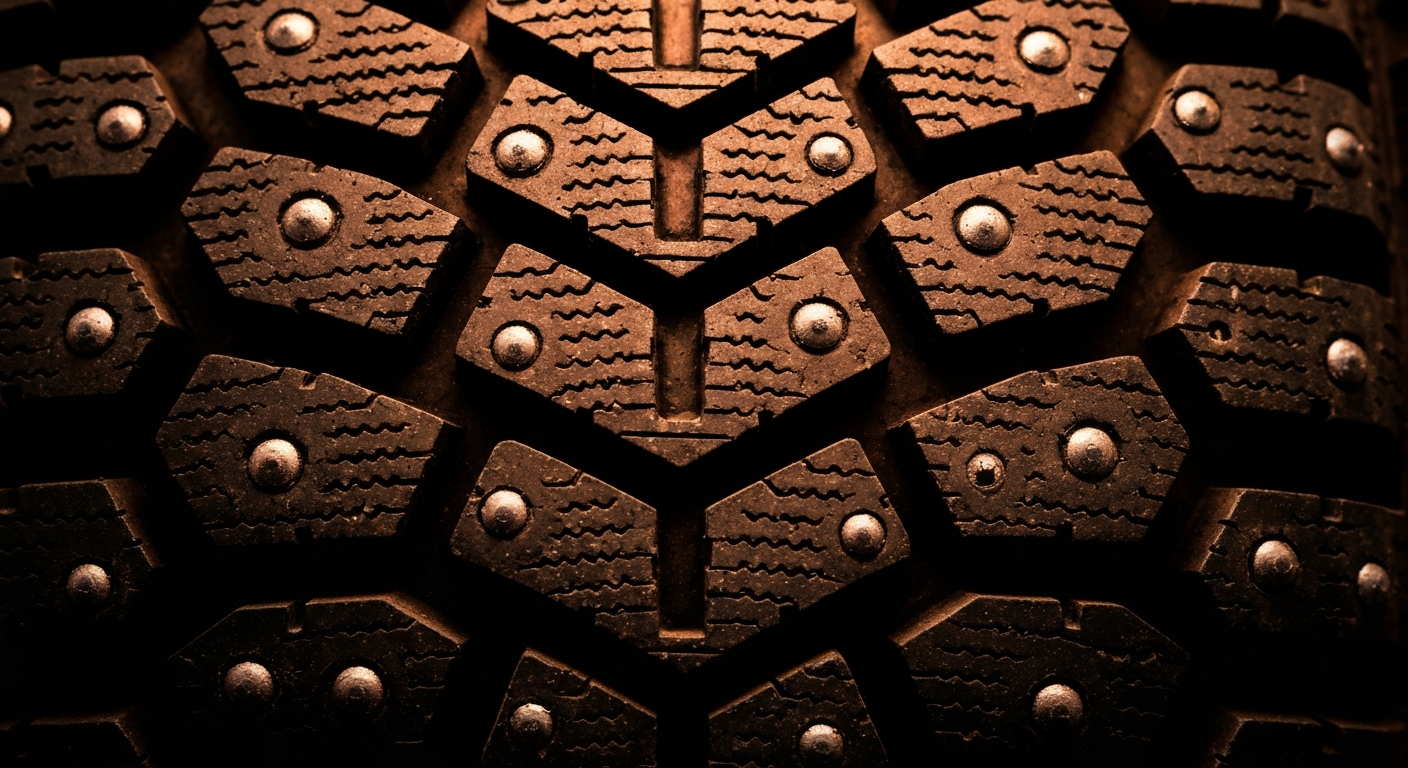 Studded tires can inflict lasting damage on roads, even after the winter weather has passed.NYC Today
New York State law requires drivers to remove studded tires from their vehicles by April 30 each year. Leaving them on past that date can result in fines, and the studded tires also contribute to unnecessary wear and tear on roads that have already taken a beating from a brutal winter.
Why it matters
Roads across New York have suffered significant damage from record snowfall, heavy rain, and powerful winds this past winter. Removing studded tires helps protect the pavement and allows road crews to make necessary repairs without the added wear from the studded tires.
The details
Studded tires, which provide extra traction on icy roads, are allowed in New York from October 16 through April 30. After that date, drivers must switch to regular snow tires or all-season tires. Failing to do so can result in fines. Studded tires can grind into pavement and worsen road conditions long after the snow and ice have melted.
- New York State law requires studded tires to be removed by April 30 each year.
- Road construction season is already underway across New York as crews work to repair damage from the brutal winter.
The players
New York State
The state government that has laws regulating the use of studded tires.
What’s next
Drivers should schedule appointments to have their studded tires removed and replaced with all-season or snow tires before the April 30 deadline to avoid fines.
The takeaway
Removing studded tires on time helps protect New York's roads from further damage and allows crews to make necessary repairs after a brutal winter season.