- Today
- Holidays
- Birthdays
- Reminders
- Cities
- Atlanta
- Austin
- Baltimore
- Berwyn
- Beverly Hills
- Birmingham
- Boston
- Brooklyn
- Buffalo
- Charlotte
- Chicago
- Cincinnati
- Cleveland
- Columbus
- Dallas
- Denver
- Detroit
- Fort Worth
- Houston
- Indianapolis
- Knoxville
- Las Vegas
- Los Angeles
- Louisville
- Madison
- Memphis
- Miami
- Milwaukee
- Minneapolis
- Nashville
- New Orleans
- New York
- Omaha
- Orlando
- Philadelphia
- Phoenix
- Pittsburgh
- Portland
- Raleigh
- Richmond
- Rutherford
- Sacramento
- Salt Lake City
- San Antonio
- San Diego
- San Francisco
- San Jose
- Seattle
- Tampa
- Tucson
- Washington
Long Island Architect Pleads Guilty to Gilgo Beach Murders
Rex Heuermann admits to killing 8 women over 17 years, bringing closure to long-unsolved case
Apr. 9, 2026 at 7:04am
Got story updates? Submit your updates here. ›
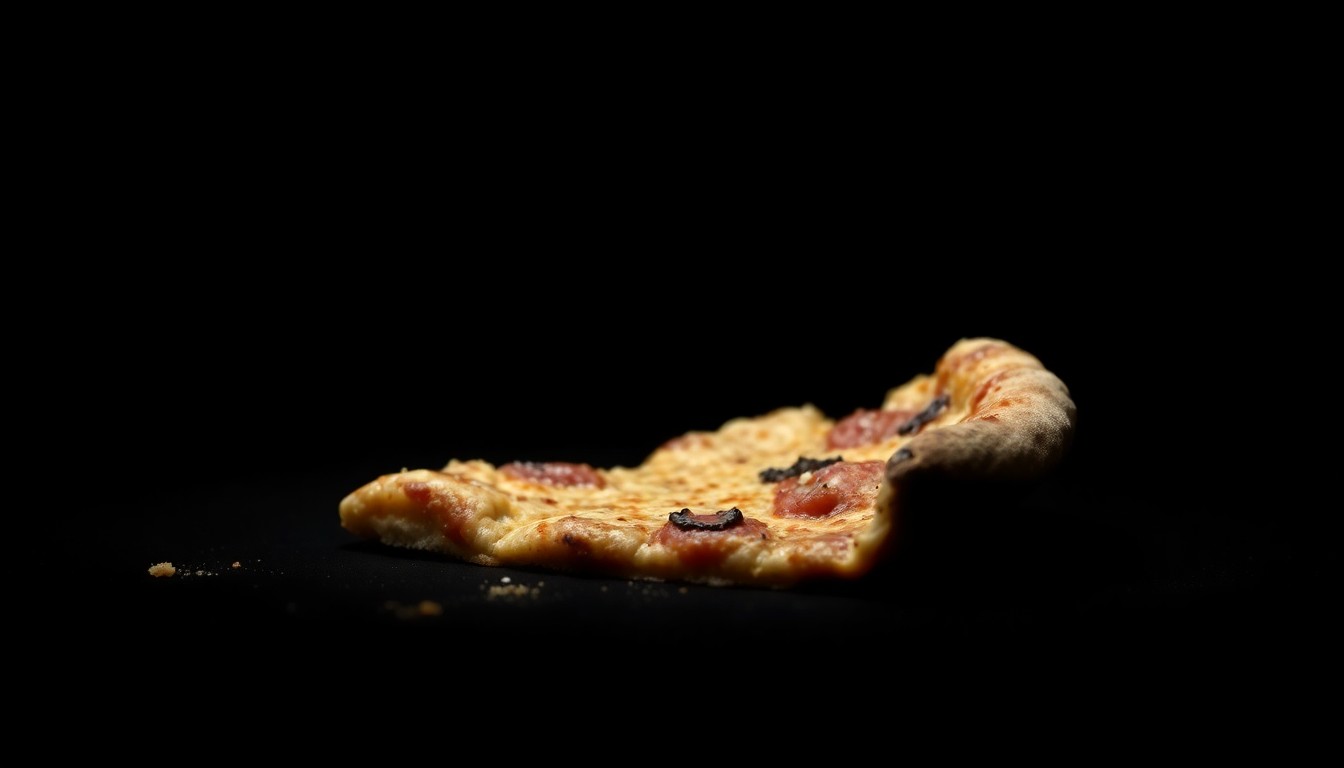 A discarded pizza crust proved pivotal in cracking the long-unsolved Gilgo Beach serial killings case.NYC Today
Rex Heuermann, a 62-year-old Long Island architect, pleaded guilty this week to murdering seven women and admitting to an eighth killing as part of the notorious Gilgo Beach serial killings that spanned from 1993 to 2010. Heuermann will be sentenced to life in prison without parole for the crimes, which involved strangling and dismembering the victims, many of whom were sex workers, before dumping their remains along the Long Island coastline.
Why it matters
The Gilgo Beach murders were one of the longest-running and most high-profile unsolved serial killer cases in recent history, drawing global attention and leaving victims' families in anguish for over a decade. Heuermann's guilty plea and cooperation with authorities to help catch other serial killers provides some closure, but also raises questions about how he evaded detection for so long despite leaving behind extensive digital evidence.
The details
Heuermann pleaded guilty to three counts of first-degree murder and four counts of intentional murder for the killings of Melissa Barthelemy, Maureen Brainard-Barnes, Amber Lynn Costello, Valerie Mack, Jessica Taylor, Megan Waterman, and Sandra Costilla. He also admitted to killing an eighth victim, Karen Vergata, in 1996, although he has not been charged in that case. Investigators used DNA evidence from a discarded pizza crust to link Heuermann to the crimes, and cell phone records and internet search history also tied him to the victims.
- Heuermann committed the murders between 1993 and 2010.
- Heuermann was arrested in 2023 after a DNA match.
- Heuermann pleaded guilty to the murders on April 9, 2026.
- Heuermann will be sentenced in June 2026 to life in prison without parole.
The players
Rex Heuermann
A 62-year-old Long Island architect who led a secret life as a serial killer, pleading guilty to murdering seven women and admitting to an eighth killing as part of the Gilgo Beach murders.
Karen Vergata
A victim whose remains were found on Fire Island in 1996 and near Gilgo Beach in 2011, and whose murder Heuermann admitted to but has not been charged for.
Elizabeth Baczkiel
The mother of victim Jessica Taylor, who expressed relief that the case has finally been resolved.
Melissa Cann
The sister of victim Maureen Brainard-Barnes, who said she was grateful to finally get justice for her sister.
Asa Ellerup
Heuermann's ex-wife, who along with their daughter was present in court as he entered his guilty pleas, though they had no knowledge of or involvement in the killings.
What they’re saying
“I am glad that this is over as far as him pleading guilty. It took a big chunk of stress off of me and my family.”
— Elizabeth Baczkiel, Mother of victim Jessica Taylor
“This has been a long journey of hope — hope that one day we would stand here and say her name with justice beside it. Today, that long, painful journey brings us to this moment.”
— Melissa Cann, Sister of victim Maureen Brainard-Barnes
“We wanted the one person who mattered, the murderer, to think it's business as usual.”
— Ray Tierney, Suffolk County District Attorney
What’s next
Heuermann will be sentenced in June 2026 to life in prison without the possibility of parole. As part of his plea deal, he has agreed to fully cooperate with the FBI's behavioral analysis unit to help catch other serial killers.
The takeaway
The Gilgo Beach murders case highlights the immense toll serial killings can take on victims' families and communities, as well as the challenges law enforcement face in solving such complex, long-running investigations. Heuermann's guilty plea and cooperation may help provide some closure, but also raises troubling questions about how he was able to evade detection for decades despite leaving behind extensive digital evidence.