- Today
- Holidays
- Birthdays
- Reminders
- Cities
- Atlanta
- Austin
- Baltimore
- Berwyn
- Beverly Hills
- Birmingham
- Boston
- Brooklyn
- Buffalo
- Charlotte
- Chicago
- Cincinnati
- Cleveland
- Columbus
- Dallas
- Denver
- Detroit
- Fort Worth
- Houston
- Indianapolis
- Knoxville
- Las Vegas
- Los Angeles
- Louisville
- Madison
- Memphis
- Miami
- Milwaukee
- Minneapolis
- Nashville
- New Orleans
- New York
- Omaha
- Orlando
- Philadelphia
- Phoenix
- Pittsburgh
- Portland
- Raleigh
- Richmond
- Rutherford
- Sacramento
- Salt Lake City
- San Antonio
- San Diego
- San Francisco
- San Jose
- Seattle
- Tampa
- Tucson
- Washington
Judge blocks Pentagon's new press restrictions
Federal judge rules the Defense Department violated a court order to ease access for journalists covering the Pentagon.
Apr. 9, 2026 at 10:21pm
Got story updates? Submit your updates here. ›
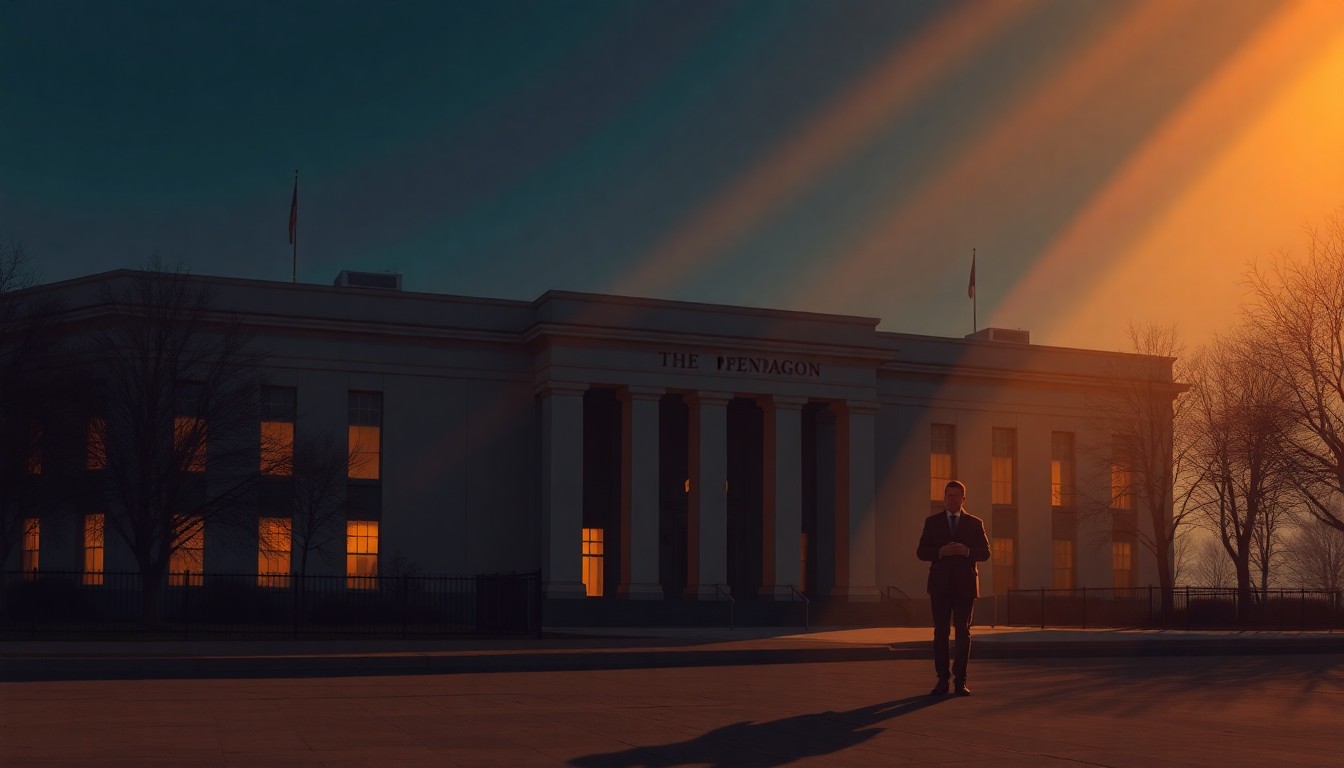 A reporter stands outside the Pentagon, symbolizing the ongoing struggle to maintain press access and the free flow of information to the public.NYC Today
A federal judge has blocked a new Defense Department policy that would have further restricted media access to the Pentagon, ruling that the policy violated a previous court order requiring the Pentagon to ease its press restrictions. The judge ordered the Pentagon to comply with the earlier ruling and provide a sworn declaration by April 16 describing the steps taken to ensure compliance.
Why it matters
This ruling is a victory for press freedom and the public's right to information, as it prevents the Pentagon from imposing overly restrictive controls on media access that could limit the American people's ability to stay informed about their government. The judge noted that the case is about the government's attempt to 'dictate the information received by the American people' and 'control the message' - a concerning overreach that this ruling aims to address.
The details
In March, U.S. District Judge Paul Friedman struck down some of the Pentagon's strict controls on how journalists with Pentagon press passes are allowed to report, ending a policy that had caused many news outlets to leave the building. Last month, the Pentagon issued a revised press policy that expelled all reporters from the building unless they were accompanied by government escorts and removed media outlets' office spaces. Friedman ruled that this new policy also violated his previous order and was unlawful.
- In March 2026, Judge Friedman struck down some of the Pentagon's press restrictions.
- Last month, the Pentagon issued a new policy further limiting media access to the building.
- On April 9, 2026, Judge Friedman blocked the Pentagon's new press policy, ruling it violated his previous order.
The players
Paul Friedman
A U.S. District Judge who has ruled against the Pentagon's attempts to restrict media access.
Julian Barnes
A New York Times reporter who, along with the New York Times, filed a lawsuit against the Pentagon's press restrictions.
The Pentagon
The U.S. Department of Defense, which has instituted various policies to limit media access and control the information received by the public.
What they’re saying
“The Department cannot simply reinstate an unlawful policy under the guise of taking 'new' action and expect the Court to look the other way. Nor can the Department take steps to circumvent the Court's injunction and expect the Court to turn a blind eye.”
— Judge Paul Friedman, U.S. District Judge
“The Court cannot conclude this Opinion without noting once again what this case is really about: the attempt by the Secretary of Defense to dictate the information received by the American people, to control the message so that the public hears and sees only what the Secretary and the Trump Administration want them to hear and see.”
— Judge Paul Friedman, U.S. District Judge
What’s next
Judge Friedman has ordered a Pentagon official with personal knowledge to sign a sworn declaration by April 16 describing the steps taken to ensure compliance with his order to ease press restrictions.
The takeaway
This ruling is a significant victory for press freedom and the public's right to information, as it prevents the Pentagon from imposing overly restrictive controls on media access that could limit the American people's ability to stay informed about their government. The judge's strong language condemning the Pentagon's attempts to 'dictate the information received by the American people' underscores the importance of this decision in upholding the First Amendment.
New York top stories



New York events
Apr. 11, 2026
Hamilton
Apr. 11, 2026
Hadestown
Apr. 11, 2026
Candy Crafting at Cricket's Candy Creations