- Today
- Holidays
- Birthdays
- Reminders
- Cities
- Atlanta
- Austin
- Baltimore
- Berwyn
- Beverly Hills
- Birmingham
- Boston
- Brooklyn
- Buffalo
- Charlotte
- Chicago
- Cincinnati
- Cleveland
- Columbus
- Dallas
- Denver
- Detroit
- Fort Worth
- Houston
- Indianapolis
- Knoxville
- Las Vegas
- Los Angeles
- Louisville
- Madison
- Memphis
- Miami
- Milwaukee
- Minneapolis
- Nashville
- New Orleans
- New York
- Omaha
- Orlando
- Philadelphia
- Phoenix
- Pittsburgh
- Portland
- Raleigh
- Richmond
- Rutherford
- Sacramento
- Salt Lake City
- San Antonio
- San Diego
- San Francisco
- San Jose
- Seattle
- Tampa
- Tucson
- Washington
Iranian Americans torn over World Cup support amid political turmoil
Fans face difficult choice of backing home country or protesting regime
Apr. 9, 2026 at 11:05am
Got story updates? Submit your updates here. ›
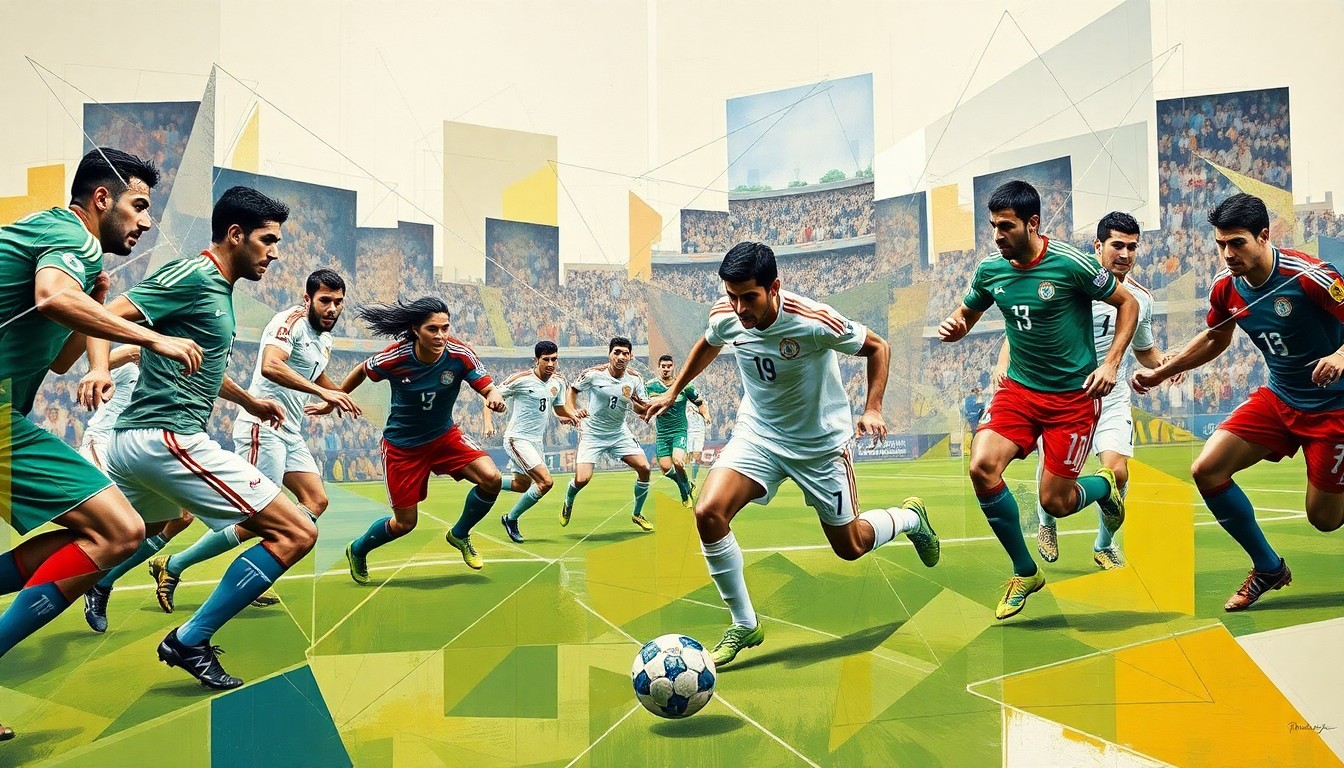 The divided loyalties of Iranian American soccer fans reflect the political and cultural complexities surrounding the 2026 World Cup.NYC Today
Iranian Americans are grappling with a difficult decision as the 2026 World Cup approaches - whether to support Iran's national soccer team or boycott the tournament in protest of the country's authoritarian government. Many fans, like New York graduate student Arad Ershad, feel torn between their love of the sport and their opposition to the regime's human rights abuses.
Why it matters
The Iranian national team has historically been a source of national pride for Iranians both at home and abroad. However, the government's violent crackdown on recent protests has led many Iranian Americans to question whether they can in good conscience support the team. This reflects a broader debate within the diaspora community about how to balance cultural identity with political dissent.
The details
Arad Ershad, who grew up in Tehran before moving to the U.S. for graduate school, says he once dreamed of traveling to World Cup matches to support Iran. But now, the thought of doing so 'feels so bad' due to the regime's actions. Other Iranian Americans express similar conflicted feelings, wanting to cheer on the team they grew up with but unable to ignore the government's human rights abuses.
- The 2026 FIFA World Cup is scheduled to take place in the United States, Canada, and Mexico.
The players
Arad Ershad
A New York graduate student who grew up in Tehran.
What they’re saying
“It feels so bad that I do not want them to succeed. They were like my icons, my legends.”
— Arad Ershad, New York graduate student
The takeaway
The dilemma facing Iranian Americans over whether to support their national team at the World Cup highlights the complex and often painful relationship between cultural identity and political dissent. As the tournament approaches, these fans must grapple with reconciling their love of the sport with their opposition to the Iranian regime's authoritarian rule.
New York top stories
New York events
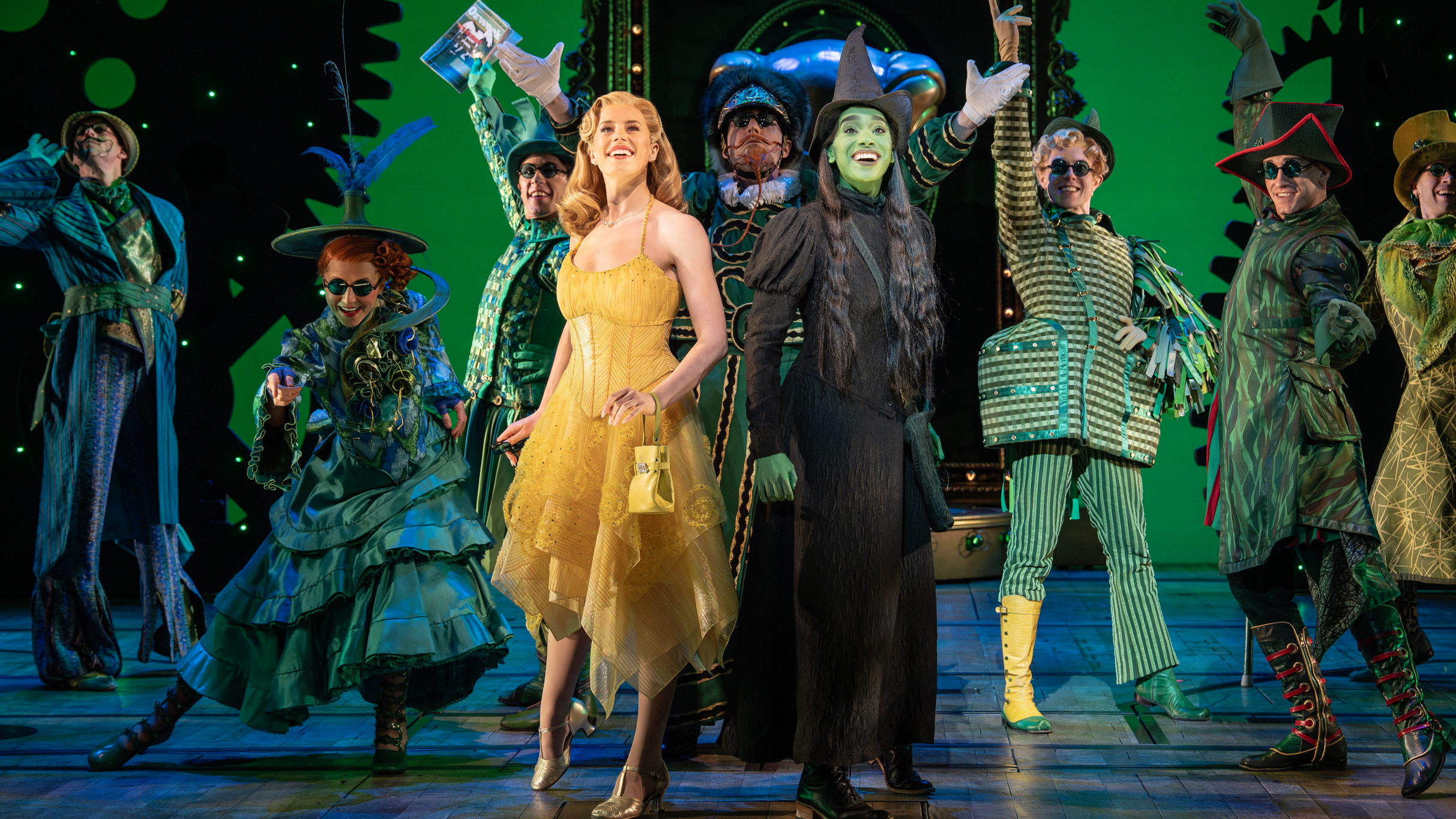
Apr. 12, 2026
Wicked
Apr. 12, 2026
Candy Crafting at Cricket's Candy Creations
Apr. 12, 2026
The Gazillion Bubble Show