- Today
- Holidays
- Birthdays
- Reminders
- Cities
- Atlanta
- Austin
- Baltimore
- Berwyn
- Beverly Hills
- Birmingham
- Boston
- Brooklyn
- Buffalo
- Charlotte
- Chicago
- Cincinnati
- Cleveland
- Columbus
- Dallas
- Denver
- Detroit
- Fort Worth
- Houston
- Indianapolis
- Knoxville
- Las Vegas
- Los Angeles
- Louisville
- Madison
- Memphis
- Miami
- Milwaukee
- Minneapolis
- Nashville
- New Orleans
- New York
- Omaha
- Orlando
- Philadelphia
- Phoenix
- Pittsburgh
- Portland
- Raleigh
- Richmond
- Rutherford
- Sacramento
- Salt Lake City
- San Antonio
- San Diego
- San Francisco
- San Jose
- Seattle
- Tampa
- Tucson
- Washington
Craving Drives Bad Decisions, Relapse, and Drug Use
New research shows how craving dynamically reshapes the brain's decision-making process, leading to continued substance use despite consequences.
Apr. 9, 2026 at 2:39pm
Got story updates? Submit your updates here. ›
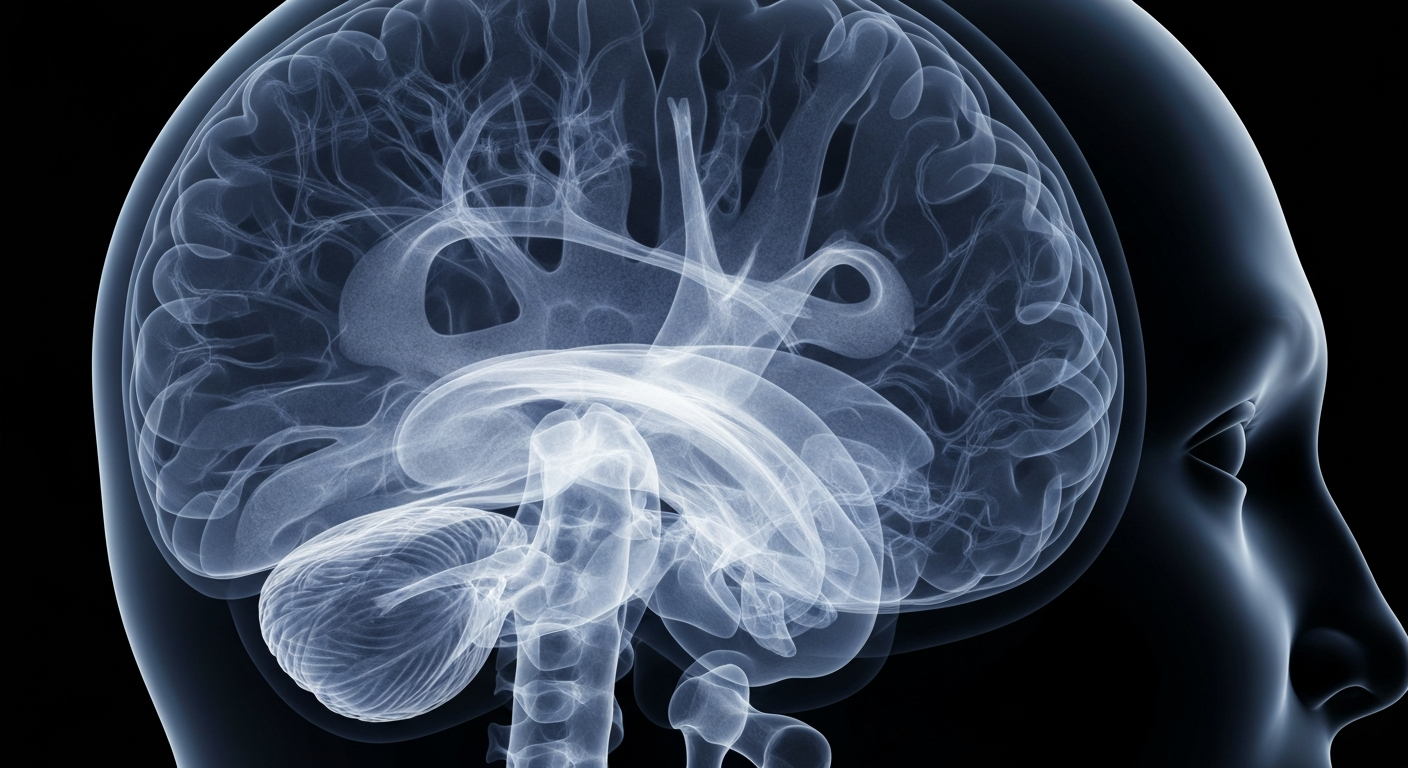 An X-ray view into the complex neural networks underlying craving and its powerful influence on decision-making in addiction.NYC Today
A new study from Yale University has found that craving directly influences and alters a person's thinking, reasoning, and decision-making, leading to continued substance use despite negative consequences. The research shows that craving exists in both conscious and unconscious forms, with both playing a role in addiction and relapse. Effective treatments must go beyond just suppressing cravings, and instead work to reshape the underlying decision-making system that craving influences.
Why it matters
Understanding the complex role of craving in addiction is crucial for developing more effective treatments. By recognizing that craving doesn't just reflect desire, but actively reshapes the brain's decision-making processes, researchers and clinicians can work to diminish craving's power and help those struggling with substance use disorders make healthier choices.
The details
The study by Yale's Kulkarni and colleagues, reported in Nature Mental Health, showed that moment-to-moment fluctuations in craving markedly change how the brain adapts, learning from rewards and making choices. Craving dynamically rewires learning, 'reshaping' decision-making instead of simply reflecting it. This challenges assumptions that craving must be consciously experienced to drive substance use, as the research demonstrates addiction involves both conscious and unconscious craving processes.
- The study was recently published in April 2026 in the journal Nature Mental Health.
The players
Kulkarni
A researcher at Yale University who led the study on how craving influences decision-making in addiction.
Miller
A researcher who, decades earlier, demonstrated that relapse in alcohol or cocaine dependence can occur without consciously reported cravings.
Marc Galanter
A professor at NYU whose research found that AA members who recited prayers after viewing drinking-related images reported less craving for alcohol after praying than after reading a newspaper.
Valeria Lallai
A researcher at UC Irvine who reported on a promising new medication, GATC-1021, for treating opioid use disorder by reducing the brain's response to cues and improving self-control.
What they’re saying
“Our findings suggest that the experience of AA over the years had left these members having an innate ability to use the AA experience—prayer in this case―to minimize the effect of alcohol triggers in producing craving.”
— Marc Galanter, Professor, NYU
What’s next
Researchers are continuing to explore new medications and behavioral treatments that can help diminish the power of craving and restore healthy decision-making in those struggling with substance use disorders.
The takeaway
Craving is a complex, multi-faceted process that goes beyond just a subjective desire for a substance. By understanding how craving dynamically reshapes the brain's decision-making, clinicians and researchers can develop more effective interventions that address the underlying neurological mechanisms driving addictive behaviors.