- Today
- Holidays
- Birthdays
- Reminders
- Cities
- Atlanta
- Austin
- Baltimore
- Berwyn
- Beverly Hills
- Birmingham
- Boston
- Brooklyn
- Buffalo
- Charlotte
- Chicago
- Cincinnati
- Cleveland
- Columbus
- Dallas
- Denver
- Detroit
- Fort Worth
- Houston
- Indianapolis
- Knoxville
- Las Vegas
- Los Angeles
- Louisville
- Madison
- Memphis
- Miami
- Milwaukee
- Minneapolis
- Nashville
- New Orleans
- New York
- Omaha
- Orlando
- Philadelphia
- Phoenix
- Pittsburgh
- Portland
- Raleigh
- Richmond
- Rutherford
- Sacramento
- Salt Lake City
- San Antonio
- San Diego
- San Francisco
- San Jose
- Seattle
- Tampa
- Tucson
- Washington
Anthropic Expands AI Compute Capacity with Google and Broadcom
The AI company plans to build U.S. data centers and deploy 3.5 gigawatts of TPU-based compute power.
Apr. 9, 2026 at 2:20am
Got story updates? Submit your updates here. ›
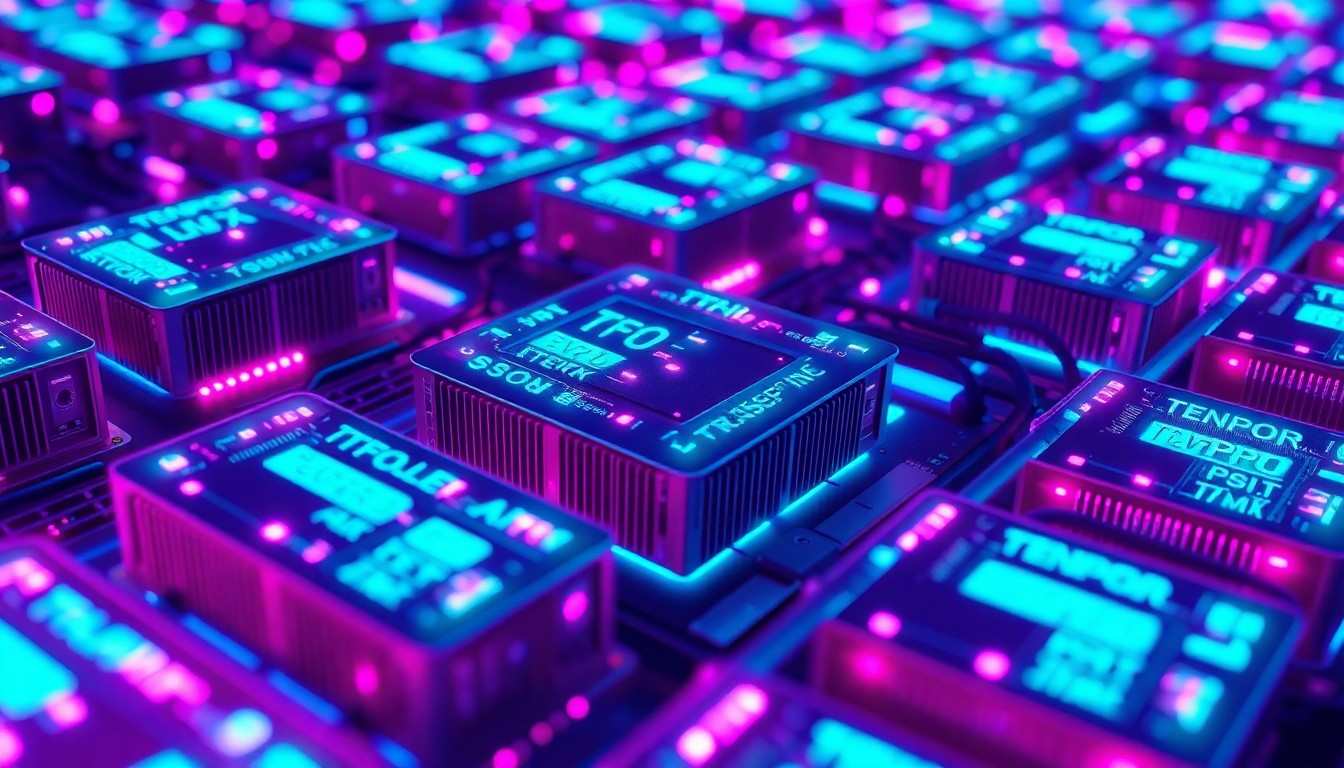 Anthropic's massive investment in TPU-powered compute capacity aims to fuel the company's AI ambitions, but also raises concerns about the pace of technological progress.NYC Today
Anthropic, the AI company co-founded by Dario Amodei, is preparing for rapid growth by securing a massive hardware deal with Google and Broadcom. The company plans to roll out 3.5 gigawatts of compute capacity using Tensor Processing Units (TPUs) across multiple new data centers in the U.S., particularly in New York and Texas. This expansion comes as Anthropic's AI models see soaring demand, though the company has also faced internal conflicts over the ethics and societal impact of its technology.
Why it matters
Anthropic's hardware expansion reflects the company's ascent as a leading U.S. AI player, rivaling the scale of tech giants like Google and OpenAI. However, the company's growth trajectory has also raised concerns about the pace of AI development and potential misuse of the technology, creating an internal tension between Anthropic's ambitions and its stated principles.
The details
Anthropic's new hardware deal will see the company leverage Google's TPUs and Broadcom chips to build out 3.5 gigawatts of compute capacity across multiple data centers in the U.S. The company is partnering with 'neocloud' firm Fluidstack to establish these facilities, with a focus on locations in New York and Texas. Anthropic co-founder Dario Amodei has stated that this infrastructure is necessary to support the continued development of the company's AI models, which have seen exponential growth in demand.
- In November 2025, Anthropic announced a partnership with Fluidstack to build a network of U.S. data centers.
- In April 2026, Anthropic revealed its hardware deals with Google and Broadcom to power 3.5 gigawatts of compute capacity.
The players
Anthropic
An artificial intelligence company co-founded by Dario Amodei, which is rapidly expanding its compute infrastructure and AI model development.
Dario Amodei
The co-founder of Anthropic, who has publicly acknowledged the dangers of rapid AI development while also overseeing the company's ambitious growth plans.
A technology giant that is providing Anthropic with Tensor Processing Units (TPUs) to power the company's expanded compute capacity.
Broadcom
A semiconductor company that is also supplying chips to Anthropic as part of the hardware deal to support the AI company's infrastructure expansion.
Fluidstack
A 'neocloud' company that is partnering with Anthropic to establish the new data centers across the United States.
What they’re saying
“We're getting closer to AI that can accelerate scientific discovery and help solve complex problems in ways that weren't possible before. Realizing that potential requires infrastructure that can support continued development at the frontier.”
— Dario Amodei, Co-founder, Anthropic
“This groundbreaking partnership with Google and Broadcom is a continuation of our disciplined approach to scaling infrastructure: we are building the capacity necessary to serve the exponential growth we have seen in our customer base while also enabling Claude to define the frontier of AI development. We are making our most significant compute commitment to date to keep pace with our unprecedented growth.”
— Krishna Rao, CFO, Anthropic
What’s next
Anthropic is expected to continue expanding its data center footprint and compute capacity in the coming years as it seeks to stay ahead of the rapid growth in demand for its AI models.
The takeaway
Anthropic's massive hardware deal and data center buildout highlight the company's ambitions to be a leading force in the AI industry, but also raise concerns about the pace of AI development and the potential for misuse of the technology, creating an internal conflict within the company.