- Today
- Holidays
- Birthdays
- Reminders
- Cities
- Atlanta
- Austin
- Baltimore
- Berwyn
- Beverly Hills
- Birmingham
- Boston
- Brooklyn
- Buffalo
- Charlotte
- Chicago
- Cincinnati
- Cleveland
- Columbus
- Dallas
- Denver
- Detroit
- Fort Worth
- Houston
- Indianapolis
- Knoxville
- Las Vegas
- Los Angeles
- Louisville
- Madison
- Memphis
- Miami
- Milwaukee
- Minneapolis
- Nashville
- New Orleans
- New York
- Omaha
- Orlando
- Philadelphia
- Phoenix
- Pittsburgh
- Portland
- Raleigh
- Richmond
- Rutherford
- Sacramento
- Salt Lake City
- San Antonio
- San Diego
- San Francisco
- San Jose
- Seattle
- Tampa
- Tucson
- Washington
Migraine vs. Trigeminal Neuralgia: Distinct Nerve Disorders with Overlapping Symptoms
Learn the key differences between these two debilitating head and facial pain conditions.
Apr. 8, 2026 at 3:49am
Got story updates? Submit your updates here. ›
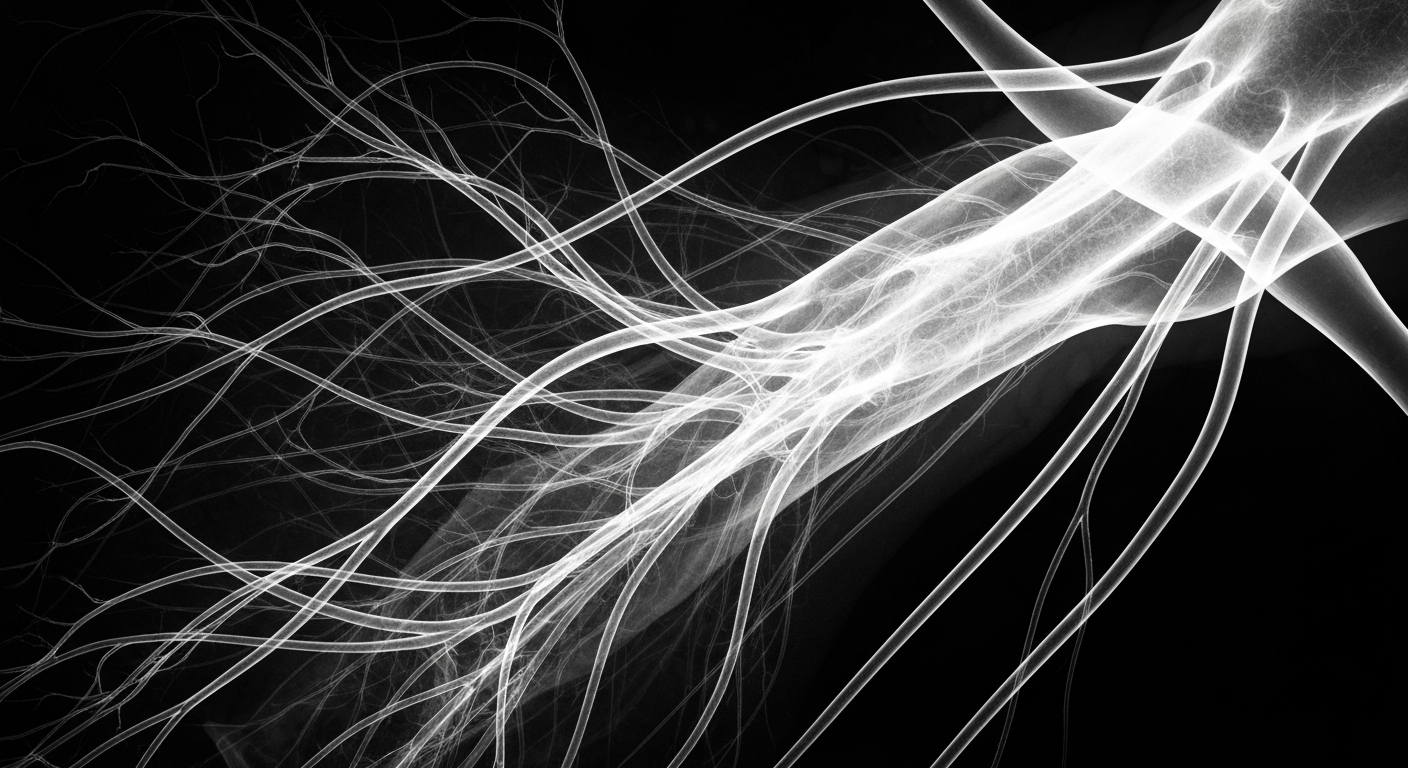 An X-ray view of the trigeminal nerve, the shared anatomical structure at the heart of both migraine and trigeminal neuralgia.NYC Today
Migraine and trigeminal neuralgia (TN) are distinct neurological pain disorders that both involve the trigeminal nerve, but they differ significantly in mechanism, presentation, and treatment. Misdiagnosis between the two is common due to overlapping facial pain symptoms, which can lead to delayed or inappropriate care. This article explores the core features, pathophysiology, and clinical patterns of each condition, as well as how to differentiate them in the clinic.
Why it matters
Correctly identifying migraine versus trigeminal neuralgia is critical, as the treatments differ radically. Migraine is often dismissed as 'just a headache,' while trigeminal neuralgia is sometimes mistaken for dental pain, leading to years of diagnostic delay for patients. Understanding the distinctions can ensure access to appropriate medications and procedures, as well as better long-term outcomes.
The details
Migraine is a complex neurological disorder involving the trigeminovascular system, with core features of moderate to severe throbbing head pain, nausea/vomiting, and sensory sensitivities. In contrast, trigeminal neuralgia is a neuropathic pain disorder directly affecting the trigeminal nerve, causing sudden, severe, electric shock-like facial pain that is triggered by light stimuli. While migraine pain can radiate into the face along trigeminal nerve distributions, the quality, duration, and triggers of the pain are distinctly different. Some patients also develop atypical forms of trigeminal neuralgia that further blur the line between the two conditions.
- Migraine attacks typically last 4-72 hours.
- Trigeminal neuralgia attacks are brief, lasting only seconds to minutes.
The players
Trigeminal Nerve
A cranial nerve responsible for sensation in the face and motor functions such as biting and chewing. It is a key structure involved in both migraine and trigeminal neuralgia.
Trigeminovascular System
A network linking the trigeminal nerve with blood vessels and central pain pathways, which is now understood to be the core mechanism underlying migraine.
What’s next
Further research is needed to fully understand the biological links between migraine and trigeminal neuralgia, as well as the potential for shared risk factors or comorbidities. Improved diagnostic tools and education for clinicians could also help reduce the high rates of misdiagnosis between these two debilitating neurological conditions.
The takeaway
While migraine and trigeminal neuralgia both involve the trigeminal nerve, they are distinct disorders with fundamental differences in mechanism, presentation, and treatment. Correctly identifying the underlying condition is critical to ensure patients receive appropriate care and avoid years of diagnostic delay and ineffective therapies.
New York top stories



New York events

Apr. 8, 2026
Hamilton (NY)
Apr. 8, 2026
Hamilton