- Today
- Holidays
- Birthdays
- Reminders
- Cities
- Atlanta
- Austin
- Baltimore
- Berwyn
- Beverly Hills
- Birmingham
- Boston
- Brooklyn
- Buffalo
- Charlotte
- Chicago
- Cincinnati
- Cleveland
- Columbus
- Dallas
- Denver
- Detroit
- Fort Worth
- Houston
- Indianapolis
- Knoxville
- Las Vegas
- Los Angeles
- Louisville
- Madison
- Memphis
- Miami
- Milwaukee
- Minneapolis
- Nashville
- New Orleans
- New York
- Omaha
- Orlando
- Philadelphia
- Phoenix
- Pittsburgh
- Portland
- Raleigh
- Richmond
- Rutherford
- Sacramento
- Salt Lake City
- San Antonio
- San Diego
- San Francisco
- San Jose
- Seattle
- Tampa
- Tucson
- Washington
Decades-Old Memo Reveals City Knew of 9/11 Health Risks
Despite discovery of warning, New York City continues to deny having records related to 9/11 health impacts
Apr. 8, 2026 at 1:07am
Got story updates? Submit your updates here. ›
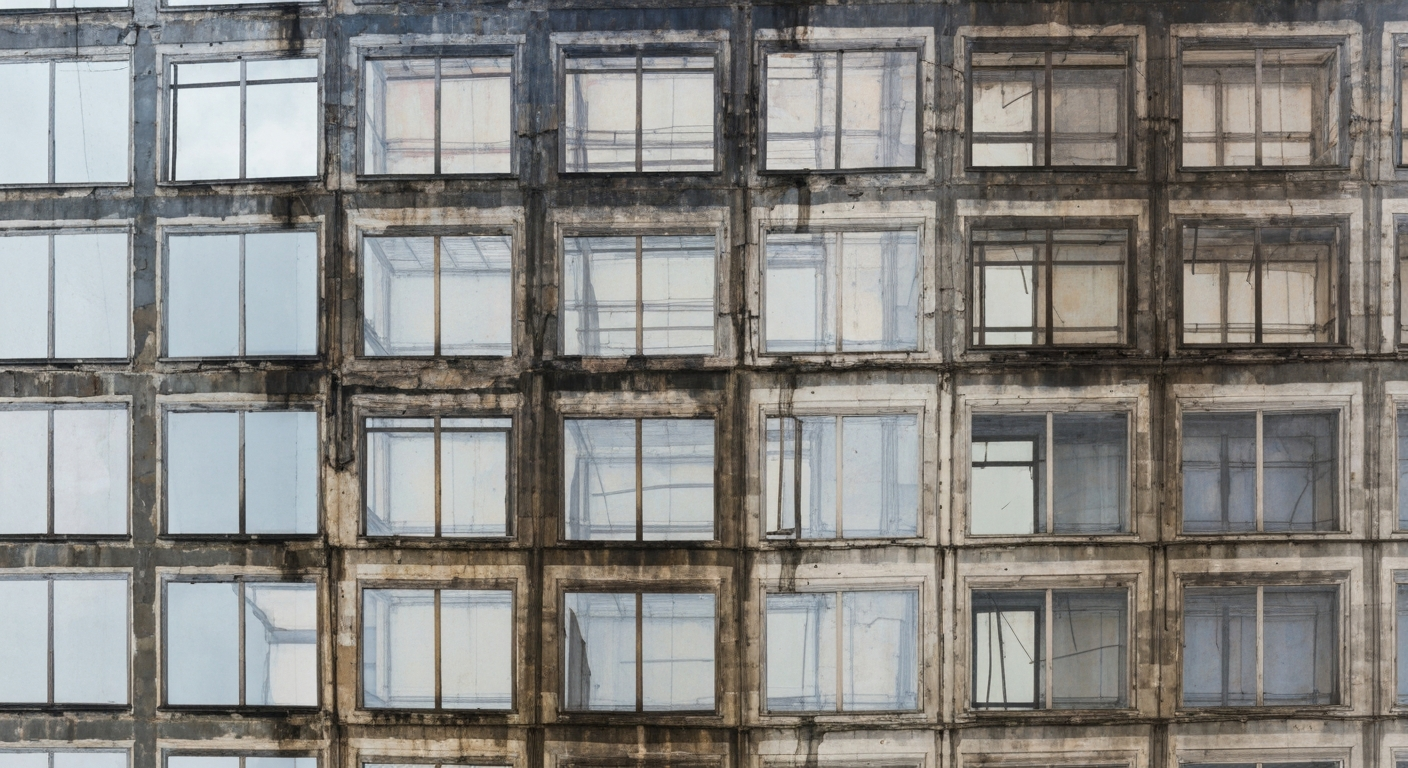 A haunting X-ray view of the toxic legacy left behind by the 9/11 attacks, as officials continue to withhold crucial information from the public.NYC Today
A decades-old memo discovered in a Texas university archive shows that New York City officials anticipated health-related lawsuits arising from the 9/11 terrorist attacks, even as they urged displaced residents to return to Lower Manhattan. However, the city continues to deny having any records related to what officials knew about environmental conditions in the aftermath of 9/11.
Why it matters
This case highlights the ongoing battle by 9/11 health advocates to obtain transparency from the city about what officials knew regarding the health risks posed by the toxic conditions in Lower Manhattan following the attacks. The city's refusal to disclose relevant records has impeded funding and support for programs that provide medical care and treatment for 9/11-related illnesses.
The details
In 2001, a City lobbyist warned then-Deputy Mayor Robert Harding that there could be around 35,000 potential plaintiffs and 10,000 claims filed due to the events of 9/11. The memo also anticipated 'direct effect' lawsuits from public safety officers, as well as 'toxic tort cases' arising from health advisories that caused individuals to return to the area too soon. However, the city has repeatedly claimed it cannot locate any records related to this issue, despite the discovery of the Harding Memo in a Texas archive.
- In October 2001, a City lobbyist warned then-Deputy Mayor Robert Harding about potential 9/11-related lawsuits.
- In February 2026, 911 Health Watch attorneys discovered the 'Harding Memo' in an archive at the University of Texas at Austin.
- On March 29, 2026, 911 Health Watch filed a lawsuit in New York State Supreme Court asking a judge to compel the city to disclose records.
The players
Ben Chevat
The executive director of the nonprofit organization 911 Health Watch.
Robert Harding
The former Deputy Mayor for Economic Development who received the warning memo in 2001.
New York City
The municipal government that has repeatedly denied having records related to 9/11 health risks, despite evidence to the contrary.
What they’re saying
“the City's response is devoid of credibility”
— Ben Chevat, Executive Director, 911 Health Watch
“how many illnesses could have been prevented had the City shared what it actually knew?”
— Ben Chevat, Executive Director, 911 Health Watch
What’s next
The judge in the case will decide whether to compel the city to disclose its records related to 9/11 health risks.
The takeaway
This case highlights the ongoing struggle by 9/11 health advocates to obtain transparency from the city about what officials knew regarding the toxic conditions in Lower Manhattan following the attacks, and how that knowledge could have prevented illnesses and saved lives.
New York top stories



New York events
Apr. 8, 2026
Hamilton (NY)
Apr. 8, 2026
Hamilton