- Today
- Holidays
- Birthdays
- Reminders
- Cities
- Atlanta
- Austin
- Baltimore
- Berwyn
- Beverly Hills
- Birmingham
- Boston
- Brooklyn
- Buffalo
- Charlotte
- Chicago
- Cincinnati
- Cleveland
- Columbus
- Dallas
- Denver
- Detroit
- Fort Worth
- Houston
- Indianapolis
- Knoxville
- Las Vegas
- Los Angeles
- Louisville
- Madison
- Memphis
- Miami
- Milwaukee
- Minneapolis
- Nashville
- New Orleans
- New York
- Omaha
- Orlando
- Philadelphia
- Phoenix
- Pittsburgh
- Portland
- Raleigh
- Richmond
- Rutherford
- Sacramento
- Salt Lake City
- San Antonio
- San Diego
- San Francisco
- San Jose
- Seattle
- Tampa
- Tucson
- Washington
Trump's Promises of Price Relief Fail to Materialize
Despite vowing to lower costs, the former president's economic policies have had little impact on inflation and consumer prices.
Apr. 7, 2026 at 7:00am
Got story updates? Submit your updates here. ›
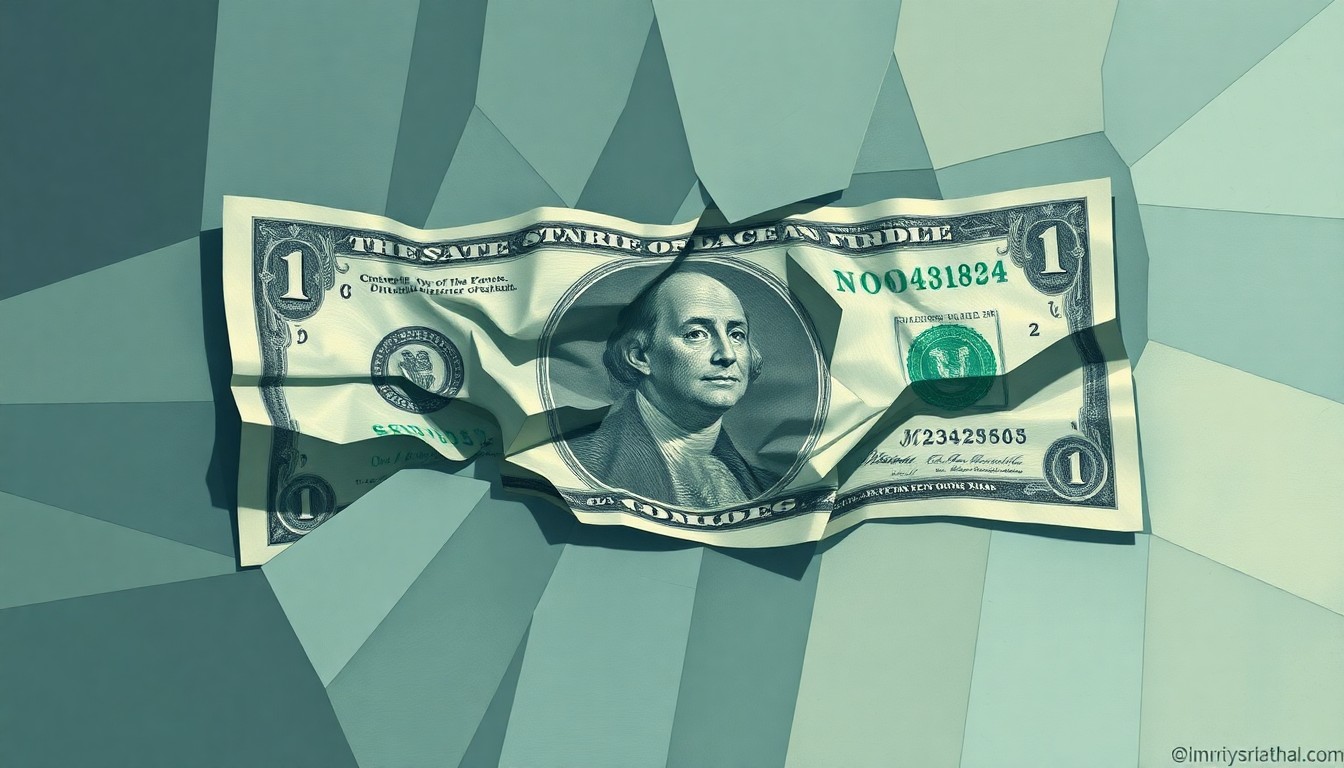 Despite vows of economic relief, the former president's policies failed to deliver meaningful price reductions for American consumers.NYC Today
In his second term, former President Donald Trump made bold promises to lower prices and provide economic relief to American families. However, an analysis of his administration's actions shows that these promises have largely gone unfulfilled, with no meaningful reductions in the cost of groceries, gas, prescription drugs, or other key consumer goods.
Why it matters
Trump's inability to deliver on his economic pledges highlights the limitations of the presidency in directly controlling prices and the cost of living. It also raises questions about the priorities of voters who cited the economy as the top reason for reelecting Trump, despite the lack of tangible financial benefits for most households.
The details
During his campaign and early in his second term, Trump touted various initiatives he claimed would provide immediate "price relief," including "DOGE checks," tariff dividends, and mandated reductions in prescription drug and credit card interest rates. However, none of these proposals materialized, and consumer prices continued to rise across a range of sectors. The average credit card APR remains well above Trump's promised 10% cap, while grocery and gas prices have also increased, contrary to his pledges.
- In February 2025, Trump said he was "considering" a plan to send taxpayers $5,000 DOGE checks.
- In August 2025, Trump floated the idea of sharing tariff revenue with Americans in the form of dividend checks.
- On January 10, 2026, Trump posted a call for a 10% cap on credit card interest rates, to take effect 10 days later.
The players
Donald Trump
The former president who promised to lower prices and provide economic relief to American families during his second term, but failed to deliver on those pledges.
Kamala Harris
The former vice president whose administration inherited the economic challenges of the COVID-19 pandemic, though inflation rates had declined by the time she left office.
Joe Biden
The former president who faced high inflation rates due to supply chain disruptions and pandemic-related stimulus spending, though the inflation rate had dropped to 3% by the time he left office.
What they’re saying
“We now are paying the lowest price anywhere in the world for drugs.”
— Donald Trump, Former President
“A vote for Trump means your groceries will be cheaper.”
— Donald Trump, Former President
The takeaway
Trump's failure to deliver on his economic promises, despite being reelected largely on the strength of voter dissatisfaction with the economy, highlights the limitations of the presidency in directly controlling prices and the cost of living. It also raises questions about the priorities of voters who cited the economy as the top reason for reelecting Trump, despite the lack of tangible financial benefits for most households.
New York top stories



New York events

Apr. 7, 2026
Hamilton
Apr. 7, 2026
The Banksy Museum New York!
Apr. 7, 2026
Robert Plant w/ Saving Grace