- Today
- Holidays
- Birthdays
- Reminders
- Cities
- Atlanta
- Austin
- Baltimore
- Berwyn
- Beverly Hills
- Birmingham
- Boston
- Brooklyn
- Buffalo
- Charlotte
- Chicago
- Cincinnati
- Cleveland
- Columbus
- Dallas
- Denver
- Detroit
- Fort Worth
- Houston
- Indianapolis
- Knoxville
- Las Vegas
- Los Angeles
- Louisville
- Madison
- Memphis
- Miami
- Milwaukee
- Minneapolis
- Nashville
- New Orleans
- New York
- Omaha
- Orlando
- Philadelphia
- Phoenix
- Pittsburgh
- Portland
- Raleigh
- Richmond
- Rutherford
- Sacramento
- Salt Lake City
- San Antonio
- San Diego
- San Francisco
- San Jose
- Seattle
- Tampa
- Tucson
- Washington
Stress-Busting Tools and Habits Recommended by CNET Editors
From free daily rituals to high-tech gadgets, these mental health boosters have made a real difference for our team.
Apr. 7, 2026 at 2:52pm
Got story updates? Submit your updates here. ›
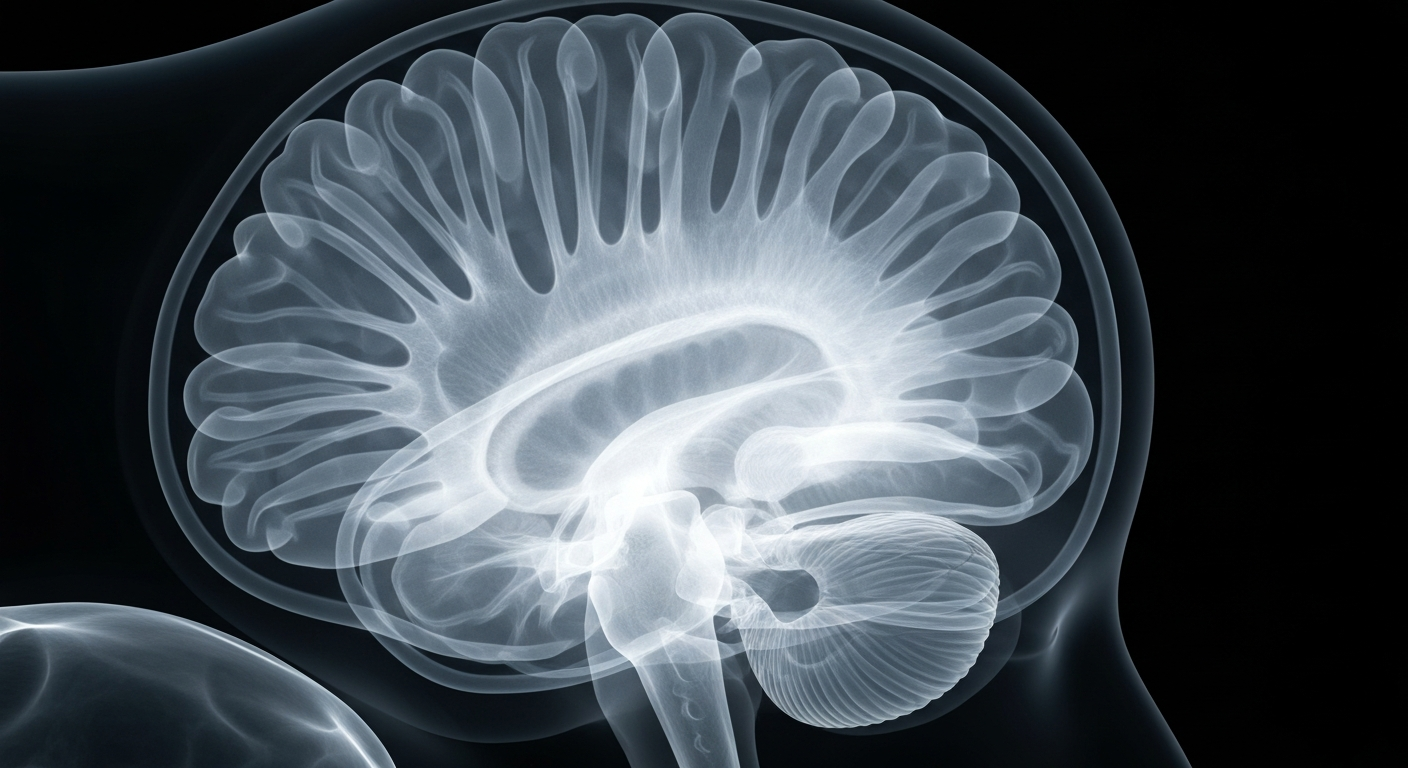 A revealing X-ray image of the human brain's intricate inner workings, highlighting the complex neural pathways that can be impacted by stress and anxiety.NYC Today
CNET editors Taylor and Nasha share the stress-relief tips, habits, and products they've personally found most effective, including free daily practices like walking, breathing exercises, and lying on the floor, as well as tech-enabled tools like the Renpho x Headspace eye massager, the Finch self-care app, and the Hatch Restore 3 sunrise alarm clock.
Why it matters
With stress, anxiety, and burnout on the rise, it's important to have a toolkit of proven techniques and tools that can help manage mental health. The editors' recommendations provide a range of accessible, affordable, and evidence-backed options for improving focus, sleep, and overall wellbeing.
The details
The article covers a mix of free daily habits and tech-enabled tools that the CNET team has personally found effective for managing stress and boosting mental health. The free practices include going on daily walks, using the "3-3-3" grounding technique, and simply lying on the floor and focusing on breathing. The tech-enabled tools range from the Renpho x Headspace eye massager and Finch self-care app to the Hatch Restore 3 sunrise alarm clock and Truvaga Plus nervous system regulator. The editors highlight how each tool or habit has made a meaningful difference in their own lives.
- The article was published on April 7, 2026.
The players
Taylor
CNET's sleep and mental health senior writer.
Nasha Addarich Martínez
A CNET editor who has tested and recommends the stress-relief tools and habits featured in the article.
What they’re saying
“The truth is, we all experience stress, anxiety, overstimulation and can be way too into our own heads. So, during Stress Awareness Month, Taylor, CNET's sleep and mental health senior writer, and I wanted to share the things we actually find useful and rely on to take care of ourselves mentally.”
— Nasha Addarich Martínez, CNET Editor
The takeaway
The editors' personal recommendations demonstrate that effective stress relief can come from a combination of free, simple daily habits and thoughtfully designed tech tools. By sharing their own experiences, they provide readers with a diverse toolkit of accessible, evidence-backed options for improving mental health.
New York top stories


New York events

Apr. 7, 2026
Hamilton
Apr. 7, 2026
The Banksy Museum New York!
Apr. 7, 2026
Robert Plant w/ Saving Grace