- Today
- Holidays
- Birthdays
- Reminders
- Cities
- Atlanta
- Austin
- Baltimore
- Berwyn
- Beverly Hills
- Birmingham
- Boston
- Brooklyn
- Buffalo
- Charlotte
- Chicago
- Cincinnati
- Cleveland
- Columbus
- Dallas
- Denver
- Detroit
- Fort Worth
- Houston
- Indianapolis
- Knoxville
- Las Vegas
- Los Angeles
- Louisville
- Madison
- Memphis
- Miami
- Milwaukee
- Minneapolis
- Nashville
- New Orleans
- New York
- Omaha
- Orlando
- Philadelphia
- Phoenix
- Pittsburgh
- Portland
- Raleigh
- Richmond
- Rutherford
- Sacramento
- Salt Lake City
- San Antonio
- San Diego
- San Francisco
- San Jose
- Seattle
- Tampa
- Tucson
- Washington
Iranian Leaders' Families Live Lavishly in US Despite Sharia Oppression at Home
Relatives of Iranian regime officials teach at US universities and live luxuriously, despite supporting the regime's tyranny.
Apr. 7, 2026 at 7:23pm
Got story updates? Submit your updates here. ›
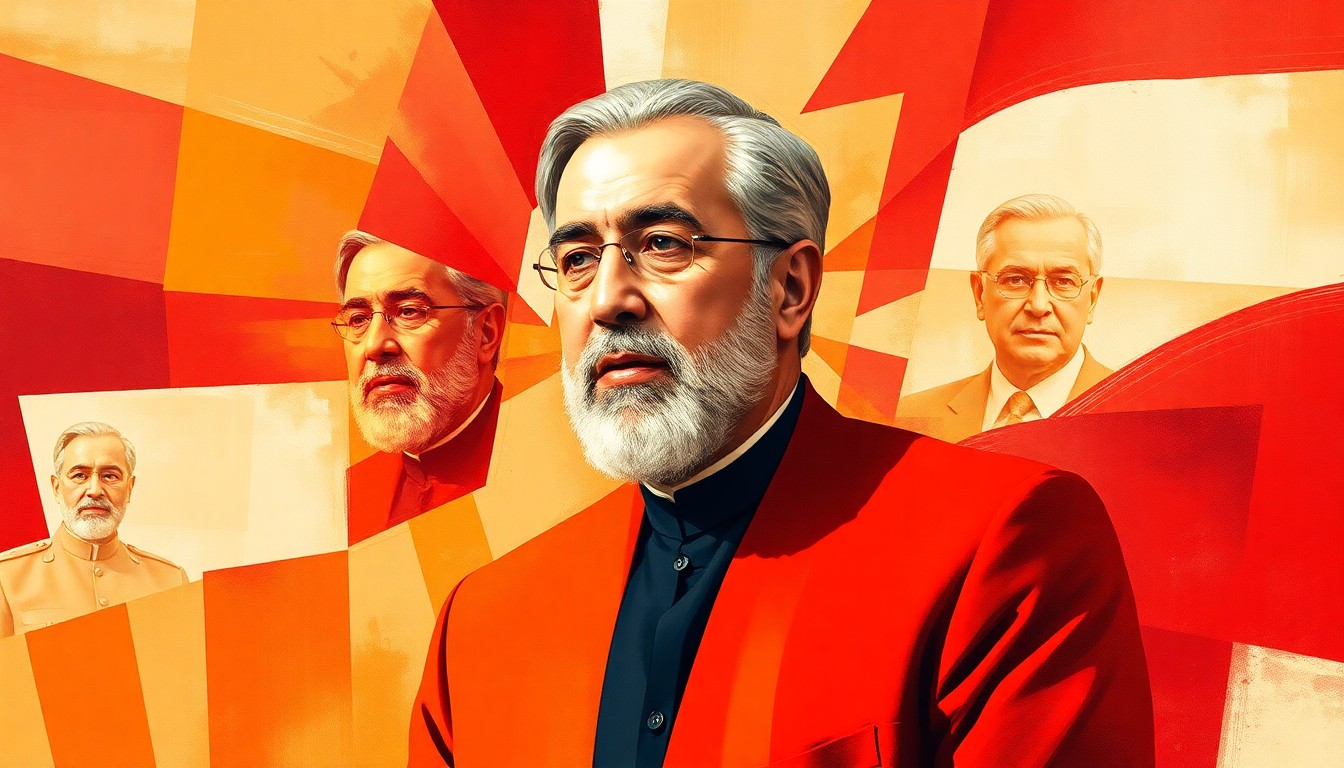 The lavish lifestyles of Iranian regime leaders' families in the U.S. expose the profound hypocrisy of the oppressive Iranian government.NYC Today
Multiple relatives of prominent Iranian regime leaders, including the late Qasem Soleimani, have been found living lavishly in the United States despite their families' support for the oppressive Iranian government and its Sharia law. This includes the niece and granddaughter of Soleimani, as well as the son of a notorious regime spokesperson. Several other children of Iranian officials and clerics also teach at American universities, raising questions about their families' hypocrisy in condemning the US while enjoying its freedoms.
Why it matters
The presence of Iranian regime elites' families living comfortably in the US while their relatives back home brutalize the Iranian people under Sharia law highlights the hypocrisy of the Iranian government. It raises questions about how these individuals obtained legal status in the US and whether they should face consequences for supporting the regime's oppression.
The details
U.S. authorities recently arrested Hamideh Soleimani Afshar, the niece of late IRGC commander Qasem Soleimani, and her daughter for living luxuriously in the US while continuing to promote Iranian regime propaganda. Meanwhile, Eissa Hashemi, the son of notorious regime spokesperson Masoumeh Ebtekar, teaches at a university in Los Angeles despite his mother's role in the 1979 US embassy hostage crisis. Several other children of Iranian officials and clerics also hold academic positions at American universities, even as their families support the regime's oppression of the Iranian people.
- On April 4, 2026, the New York Post reported on the arrest of Soleimani's niece and her daughter.
- On April 6, 2026, the New York Post's California subsidiary reported on the controversy surrounding Eissa Hashemi and his refusal to denounce his mother's actions.
The players
Hamideh Soleimani Afshar
The niece of late IRGC commander Qasem Soleimani, who was arrested by U.S. authorities for living luxuriously in the U.S. while continuing to promote Iranian regime propaganda.
Eissa Hashemi
The son of Masoumeh Ebtekar, a notorious Iranian regime spokesperson who encouraged captives during the 1979 U.S. embassy hostage crisis, and who currently teaches at a university in Los Angeles.
What they’re saying
“How the heck Soleimani's relatives ever obtained LPR status, especially since Afshar continued to promote the Iranian regime openly, I don't know.”
— Catherine Salgado, Author
What’s next
The U.S. State Department has revoked the lawful permanent resident (LPR) status of Fatemeh Ardeshir-Larijani, the daughter of Iranian regime official Ali Larijani, who came to the U.S. for cancer treatment and stayed to teach at Emory University.
The takeaway
The presence of Iranian regime elites' families living comfortably in the US while their relatives back home brutalize the Iranian people under Sharia law highlights the hypocrisy of the Iranian government. It raises questions about how these individuals obtained legal status in the US and whether they should face consequences for supporting the regime's oppression.