- Today
- Holidays
- Birthdays
- Reminders
- Cities
- Atlanta
- Austin
- Baltimore
- Berwyn
- Beverly Hills
- Birmingham
- Boston
- Brooklyn
- Buffalo
- Charlotte
- Chicago
- Cincinnati
- Cleveland
- Columbus
- Dallas
- Denver
- Detroit
- Fort Worth
- Houston
- Indianapolis
- Knoxville
- Las Vegas
- Los Angeles
- Louisville
- Madison
- Memphis
- Miami
- Milwaukee
- Minneapolis
- Nashville
- New Orleans
- New York
- Omaha
- Orlando
- Philadelphia
- Phoenix
- Pittsburgh
- Portland
- Raleigh
- Richmond
- Rutherford
- Sacramento
- Salt Lake City
- San Antonio
- San Diego
- San Francisco
- San Jose
- Seattle
- Tampa
- Tucson
- Washington
New York college students and local groups plan anti-ICE protest
Demonstrators aim to demand an end to ICE collaboration with local authorities
Apr. 7, 2026 at 2:22am
Got story updates? Submit your updates here. ›
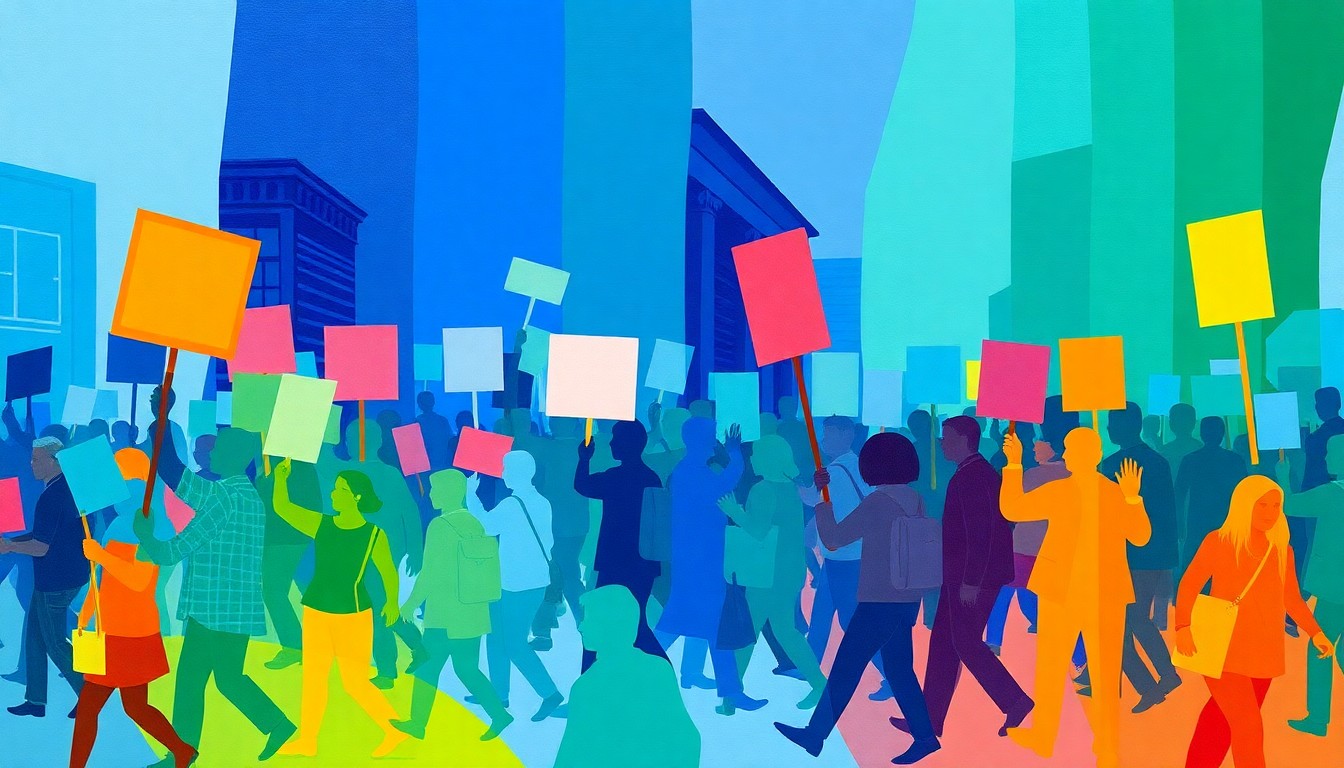 Activists take to the streets of New York's Capital Region to demand an end to ICE's collaboration with local law enforcement.NYC Today
On Saturday, April 11th, college students and local Indivisible chapters in New York's Capital Region are organizing an anti-ICE protest at West Capitol Park. The demonstrators plan to demand an end to collaboration between Immigration and Customs Enforcement (ICE) and local law enforcement agencies.
Why it matters
The protest reflects ongoing tensions and opposition to ICE's enforcement activities, particularly in sanctuary cities and states that have limited cooperation with federal immigration authorities. It also highlights the role of student and grassroots activist groups in mobilizing against ICE's policies and practices.
The details
The upcoming protest is being organized by a coalition of college students and local Indivisible chapters, advocacy groups that have been vocal critics of ICE's collaboration with local police departments. Demonstrators are expected to gather at West Capitol Park in New York's Capital Region to call for an end to these partnerships, which they argue undermine trust between immigrant communities and law enforcement.
- The protest is scheduled for Saturday, April 11, 2026.
The players
Indivisible
A nationwide grassroots movement of local activist groups opposed to the Trump administration's policies, including on immigration enforcement.
Capital Region college students
Students from colleges and universities in New York's Capital Region who are organizing the protest against ICE.
The takeaway
The upcoming protest reflects the ongoing activism and resistance to ICE's enforcement activities, particularly in liberal-leaning states and cities that have sought to limit cooperation with federal immigration authorities. It underscores the role of student and grassroots groups in mobilizing against the agency's policies.
New York top stories



New York events

Apr. 7, 2026
Hamilton
Apr. 7, 2026
The Banksy Museum New York!
Apr. 7, 2026
Robert Plant w/ Saving Grace