- Today
- Holidays
- Birthdays
- Reminders
- Cities
- Atlanta
- Austin
- Baltimore
- Berwyn
- Beverly Hills
- Birmingham
- Boston
- Brooklyn
- Buffalo
- Charlotte
- Chicago
- Cincinnati
- Cleveland
- Columbus
- Dallas
- Denver
- Detroit
- Fort Worth
- Houston
- Indianapolis
- Knoxville
- Las Vegas
- Los Angeles
- Louisville
- Madison
- Memphis
- Miami
- Milwaukee
- Minneapolis
- Nashville
- New Orleans
- New York
- Omaha
- Orlando
- Philadelphia
- Phoenix
- Pittsburgh
- Portland
- Raleigh
- Richmond
- Rutherford
- Sacramento
- Salt Lake City
- San Antonio
- San Diego
- San Francisco
- San Jose
- Seattle
- Tampa
- Tucson
- Washington
JPMorgan CEO Warns of Inflation Risks from Iran War
Dimon says conflict could keep Fed rates elevated for longer period.
Apr. 7, 2026 at 8:06am
Got story updates? Submit your updates here. ›
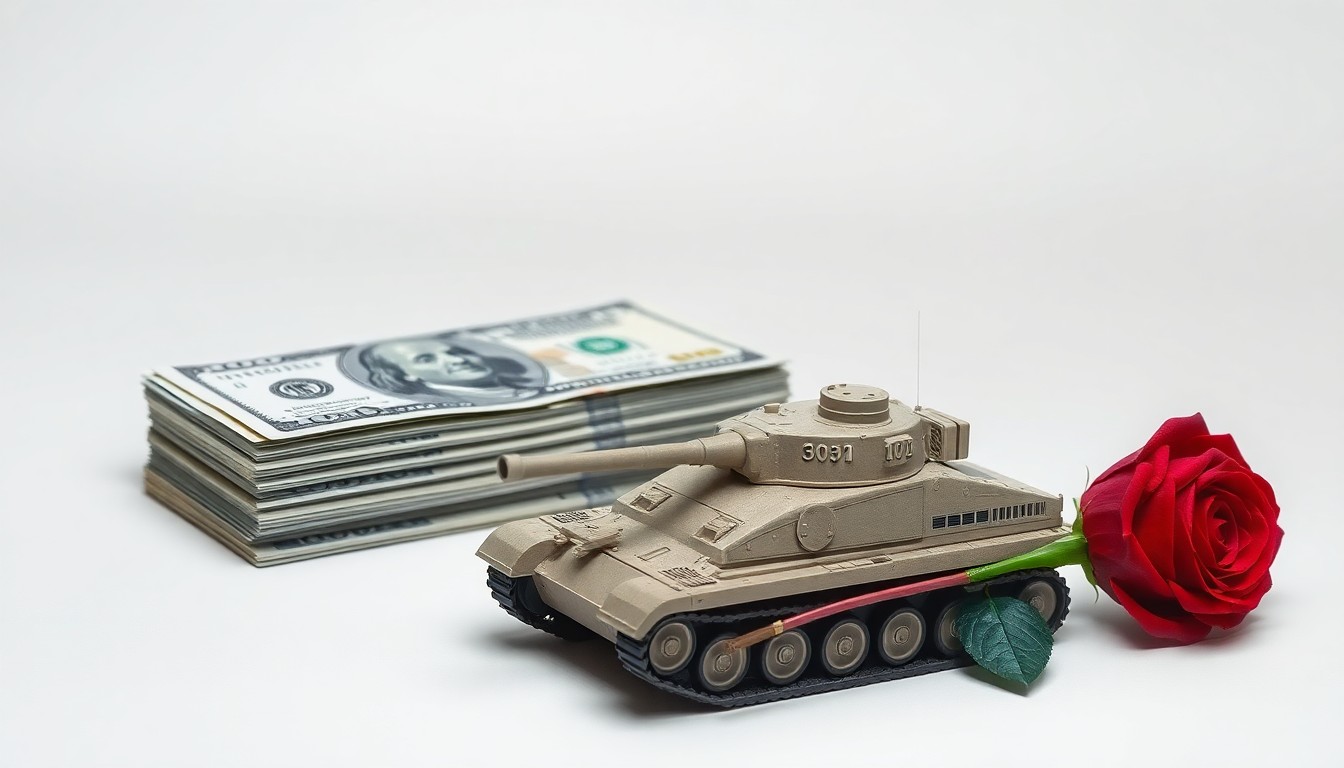 A somber still life captures the economic uncertainty posed by the threat of renewed conflict in the Middle East.NYC Today
JPMorgan Chase CEO Jamie Dimon cautioned in his annual shareholder letter that a potential war with Iran could reignite inflation in the U.S. and force the Federal Reserve to maintain higher interest rates for an extended period, hampering economic growth.
Why it matters
Dimon's warning highlights the significant economic risks that a renewed conflict in the Middle East could pose, potentially undoing recent progress in controlling inflation and disrupting the Fed's efforts to engineer a 'soft landing' for the economy.
The details
In his letter, Dimon described a potential Iran war as the 'skunk at the party,' warning that it could disrupt global energy supplies and reignite inflationary pressures that the Fed has been battling. This, in turn, could compel the central bank to keep interest rates elevated for longer, potentially tipping the U.S. into recession.
- Dimon's annual shareholder letter was published on April 7, 2026.
The players
Jamie Dimon
The CEO of JPMorgan Chase, one of the largest banks in the United States.
Federal Reserve
The central banking system of the United States, responsible for monetary policy and maintaining economic stability.
What they’re saying
“A resilient U.S. economy could be undermined by a war with Iran, which would be the 'skunk at the party' in terms of reigniting inflation and forcing the Fed to keep rates higher for longer.”
— Jamie Dimon, CEO, JPMorgan Chase
The takeaway
Dimon's warning underscores the fragility of the current economic environment and the potential for geopolitical tensions to derail the Fed's efforts to engineer a soft landing for the U.S. economy.
New York top stories



New York events
Apr. 7, 2026
Hamilton
Apr. 7, 2026
The Banksy Museum New York!
Apr. 7, 2026
Robert Plant w/ Saving Grace