- Today
- Holidays
- Birthdays
- Reminders
- Cities
- Atlanta
- Austin
- Baltimore
- Berwyn
- Beverly Hills
- Birmingham
- Boston
- Brooklyn
- Buffalo
- Charlotte
- Chicago
- Cincinnati
- Cleveland
- Columbus
- Dallas
- Denver
- Detroit
- Fort Worth
- Houston
- Indianapolis
- Knoxville
- Las Vegas
- Los Angeles
- Louisville
- Madison
- Memphis
- Miami
- Milwaukee
- Minneapolis
- Nashville
- New Orleans
- New York
- Omaha
- Orlando
- Philadelphia
- Phoenix
- Pittsburgh
- Portland
- Raleigh
- Richmond
- Rutherford
- Sacramento
- Salt Lake City
- San Antonio
- San Diego
- San Francisco
- San Jose
- Seattle
- Tampa
- Tucson
- Washington
Columbia Encampment Organizer Defends Hamas, Says Civilian Targeting 'Unclear'
Mahmoud Khalil, a Syrian-Algerian activist facing deportation, refuses to condemn Hamas for 2023 attack that killed hundreds of Israeli civilians.
Apr. 7, 2026 at 10:40pm
Got story updates? Submit your updates here. ›
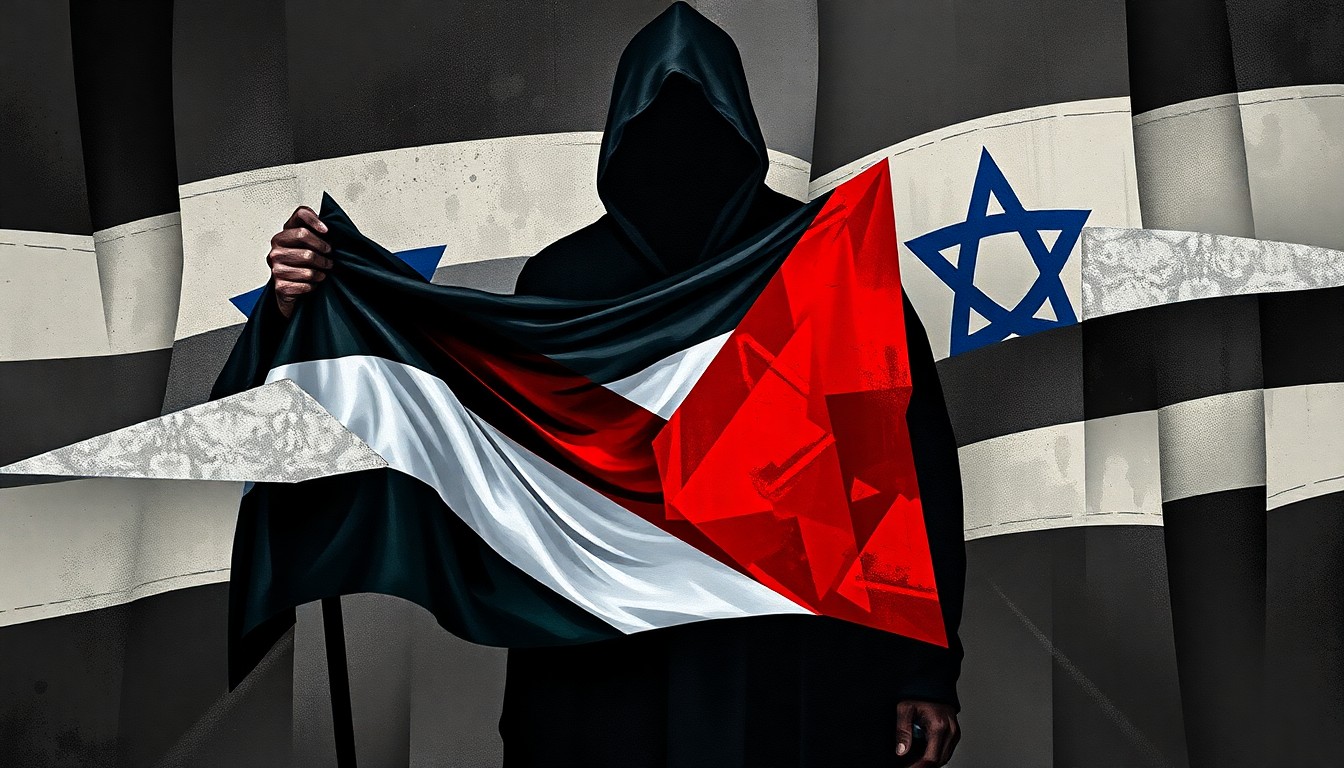 The anti-Israel movement's embrace of Hamas iconography and refusal to condemn the terror group's deadly attacks exposes the extremist views held by some campus organizers.NYC Today
Mahmoud Khalil, the leader of a pro-Palestinian encampment at Columbia University, claimed in an interview that it's unclear whether Hamas targeted civilians in its October 2023 attack against Israel, which killed hundreds. Khalil, who has faced deportation efforts by the Trump administration, also defended the anti-Israel movement's use of Hamas iconography, saying many supporters actually back the Popular Front for the Liberation of Palestine (PFLP) instead.
Why it matters
Khalil's comments downplaying Hamas' role in the deadly 2023 attack and his refusal to condemn the terror group highlight the extremist views held by some organizers of the anti-Israel movement on college campuses. His stance contrasts with reports from human rights organizations that have clearly documented Hamas' intentional targeting of Israeli civilians.
The details
In an interview with the Forward, Khalil said he "wouldn't rule out" that Hamas targeted civilians in the October 2023 attack, but also "wouldn't confirm it either." He claimed the anti-Israel movement's use of Hamas imagery does not mean all participants support the terror group, and said many actually back the PFLP instead - another U.S.-designated terrorist organization. Khalil has a history of defending Hamas and refusing to condemn its violence, even lashing out when asked to do so in past interviews.
- On October 7, 2023, Hamas carried out a deadly attack against Israel that killed hundreds of civilians.
- In March 2025, the Trump administration detained Khalil and revoked his visa and green card.
- In September 2025, an immigration judge ruled that Khalil "willfully misrepresented" his activism and work for a Hamas-tied UN agency on his green card application.
The players
Mahmoud Khalil
A Syrian native and Algerian national who served as a negotiator for the Columbia University Apartheid Divest movement and whom the Trump administration has long attempted to deport.
Hamas
A Palestinian Sunni-Islamic fundamentalist terrorist organization and political party that has been designated as a terrorist organization by several countries and international organizations.
Popular Front for the Liberation of Palestine (PFLP)
A Marxist-Leninist and secular Palestinian political and military organization founded in 1967, which has been designated as a terrorist organization by several countries and international organizations.
What they’re saying
“I wouldn't say Hamas were saints or angels and did not commit any crimes. The fact that civilians were caught up in such violence and the killing means that there were crimes committed, and Hamas has a responsibility for that.”
— Mahmoud Khalil, Columbia University Encampment Organizer
“A big part of this movement is LGBTQ, and of course they don't support Hamas. That's why you see a lot of PFLP affection in this country just because it's the left-iest organization carrying out armed resistance.”
— Mahmoud Khalil, Columbia University Encampment Organizer
What’s next
The Trump administration has said it plans to rearrest and deport Khalil following an appeals court decision that threw out a separate ruling ordering Khalil's release.
The takeaway
Khalil's refusal to condemn Hamas' deadly attack and his efforts to downplay the terror group's role highlight the extremist views held by some organizers of the anti-Israel movement on college campuses. This raises concerns about the movement's true motivations and its willingness to excuse or even embrace violence against civilians.