- Today
- Holidays
- Birthdays
- Reminders
- Cities
- Atlanta
- Austin
- Baltimore
- Berwyn
- Beverly Hills
- Birmingham
- Boston
- Brooklyn
- Buffalo
- Charlotte
- Chicago
- Cincinnati
- Cleveland
- Columbus
- Dallas
- Denver
- Detroit
- Fort Worth
- Houston
- Indianapolis
- Knoxville
- Las Vegas
- Los Angeles
- Louisville
- Madison
- Memphis
- Miami
- Milwaukee
- Minneapolis
- Nashville
- New Orleans
- New York
- Omaha
- Orlando
- Philadelphia
- Phoenix
- Pittsburgh
- Portland
- Raleigh
- Richmond
- Rutherford
- Sacramento
- Salt Lake City
- San Antonio
- San Diego
- San Francisco
- San Jose
- Seattle
- Tampa
- Tucson
- Washington
US Stocks and Oil Prices Fluctuate Ahead of Iran Deadline
Investors brace for potential escalation in Middle East conflict as Trump threatens to bomb Iranian power plants
Apr. 6, 2026 at 4:37pm
Got story updates? Submit your updates here. ›
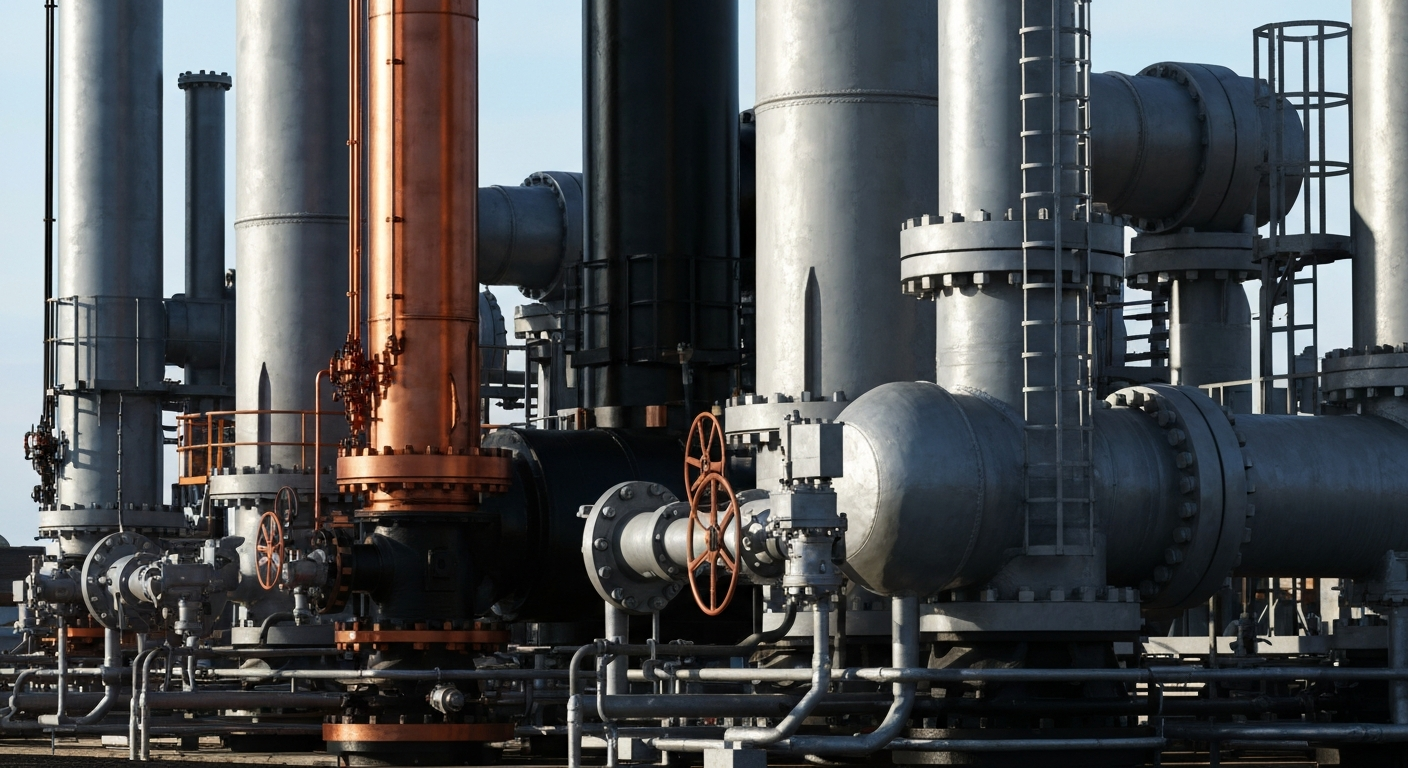 As tensions escalate over access to Middle Eastern oil, the critical infrastructure that powers the global energy system hangs in the balance.NYC Today
U.S. stocks and oil prices saw volatile trading on Monday as investors grappled with uncertainty surrounding the ongoing conflict between the United States and Iran. The S&P 500 edged up 0.3% while oil prices seesawed between gains and losses, with the benchmark U.S. crude rising 0.3% to $111.88 per barrel. The volatility comes ahead of a deadline set by President Trump to bomb Iranian power plants if the country does not open the Strait of Hormuz, a critical global oil chokepoint.
Why it matters
The conflict between the U.S. and Iran has already disrupted global energy markets, sending oil and gas prices soaring. A further escalation of the conflict, including potential attacks on Iranian infrastructure, could have severe economic consequences, particularly for countries more reliant on Middle Eastern oil exports. Investors are closely watching the situation for signs of how it may impact the broader economy and financial markets.
The details
Fighting is continuing between the U.S. and Iran, including an Israeli attack on an Iranian petrochemical plant. Trump has set a deadline of Tuesday, April 9th, to bomb Iranian power plants if the country does not open the Strait of Hormuz, a key global oil chokepoint. Iran has rejected the latest ceasefire proposal, saying it wants a permanent end to the war. The uncertainty has led to volatile trading in U.S. stocks and oil prices, with the S&P 500 edging up 0.3% and benchmark U.S. crude rising 0.3% to $111.88 per barrel.
- Trump has set a deadline of Tuesday, April 9th, to bomb Iranian power plants if the country does not open the Strait of Hormuz.
- Fighting between the U.S. and Iran, including an Israeli attack on an Iranian petrochemical plant, is ongoing.
The players
Donald Trump
The former U.S. president who has threatened to bomb Iranian power plants if the country does not open the Strait of Hormuz.
Mojtaba Ferdousi Pour
The head of the Iranian diplomatic mission in Cairo, who rejected the latest ceasefire proposal and said Iran only accepts a permanent end to the war with guarantees it won't be attacked again.
Jamie Dimon
The CEO of JPMorgan Chase, who said in his annual letter to shareholders that the U.S. economy continues to be resilient but acknowledged that high asset prices could lead to 'dramatic' impacts on global markets.
What they’re saying
“We won't merely accept a ceasefire. We only accept an end of the war with guarantees that we won't be attacked again.”
— Mojtaba Ferdousi Pour, Head of the Iranian diplomatic mission in Cairo
“Tuesday will be Power Plant Day, and Bridge Day, all wrapped up in one, in Iran. You'll be living in Hell - JUST WATCH!”
— Donald Trump
“The U.S. economy continues to be resilient, and businesses still look healthy. But prices for stocks and other assets are high, which could imply 'anything less than positive outcomes could have a dramatic impact on global markets.'”
— Jamie Dimon, CEO of JPMorgan Chase
What’s next
The world will be watching closely as the deadline set by President Trump approaches on Tuesday, April 9th, to see if he follows through on his threat to bomb Iranian power plants if the country does not open the Strait of Hormuz. Any further escalation of the conflict could have severe economic consequences globally.
The takeaway
The ongoing conflict between the U.S. and Iran continues to create significant uncertainty in global financial markets, with investors closely monitoring the situation for potential impacts on the broader economy. The threat of further military action against Iranian infrastructure adds to the volatility, underscoring the high stakes and delicate geopolitical dynamics at play.
New York top stories


New York events

Apr. 6, 2026
The Banksy Museum New York!
Apr. 6, 2026
The Banksy Museum New York!
Apr. 6, 2026
The Banksy Museum New York!