- Today
- Holidays
- Birthdays
- Reminders
- Cities
- Atlanta
- Austin
- Baltimore
- Berwyn
- Beverly Hills
- Birmingham
- Boston
- Brooklyn
- Buffalo
- Charlotte
- Chicago
- Cincinnati
- Cleveland
- Columbus
- Dallas
- Denver
- Detroit
- Fort Worth
- Houston
- Indianapolis
- Knoxville
- Las Vegas
- Los Angeles
- Louisville
- Madison
- Memphis
- Miami
- Milwaukee
- Minneapolis
- Nashville
- New Orleans
- New York
- Omaha
- Orlando
- Philadelphia
- Phoenix
- Pittsburgh
- Portland
- Raleigh
- Richmond
- Rutherford
- Sacramento
- Salt Lake City
- San Antonio
- San Diego
- San Francisco
- San Jose
- Seattle
- Tampa
- Tucson
- Washington
NYC Failing to Meet Educational Needs of Homeless Students, Report Finds
Homeless students face higher absenteeism, school transfers, and lower test scores compared to peers with permanent housing.
Apr. 6, 2026 at 9:51pm
Got story updates? Submit your updates here. ›
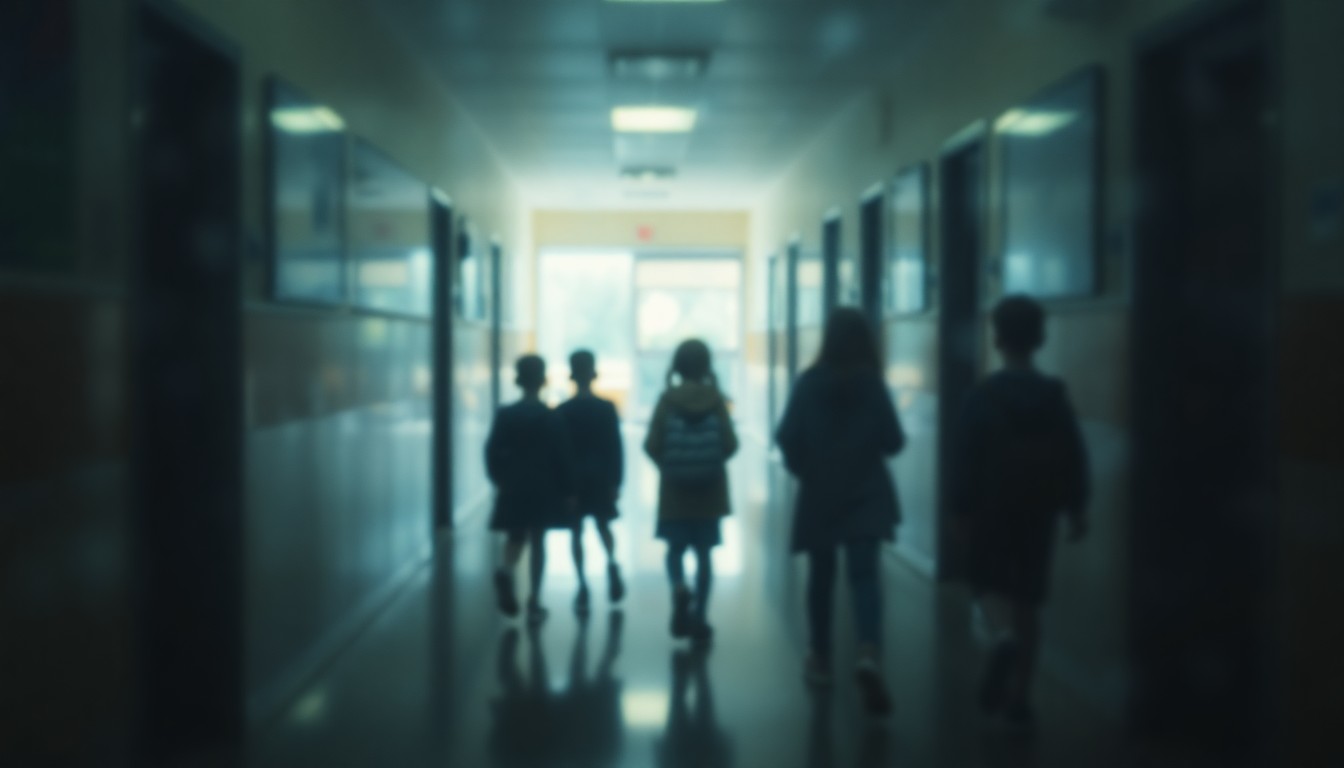 The educational challenges faced by homeless students in New York City are shrouded in a haze of instability and disconnection from their school communities.NYC Today
A new report from Advocates for Children of New York (AFC) found that the over 150,000 students identified as homeless in New York City public schools during the 2024-2025 school year faced significant educational challenges. These students had higher rates of chronic absenteeism, frequent school transfers, and poorer outcomes on standardized tests compared to their peers with permanent housing.
Why it matters
The report highlights the significant educational barriers faced by homeless students in New York City, who often struggle to maintain consistent school attendance and engagement due to the instability of their living situations. Advocates are calling for increased coordination and funding to address these disparities and ensure homeless students receive the resources and support they need to succeed academically.
The details
According to the AFC report, homeless students in NYC missed over 1.1 million days of instruction due to chronic absenteeism, which impacted almost half of students in temporary housing and even more residing in shelters. Additionally, 20% of housing-insecure students transferred schools at least once during the 2024-25 school year, over four times the rate of students with permanent housing. This instability contributed to poorer academic outcomes, with only 33% of homeless students achieving proficient scores on their 3rd-8th grade English Language Arts exams, compared to nearly double that rate for students with permanent housing.
- The report analyzed data from the 2024-2025 school year.
The players
Advocates for Children of New York (AFC)
An education nonprofit that released the report on the educational challenges faced by homeless students in New York City.
Jenifer Pringle
A director at the AFC who discussed the findings of the report.
Kamar H. Samuels
The Chancellor of New York City Public Schools, who promised to address the issues raised in the report through interagency cooperation and data-driven strategies.
Jenna Lyle
A spokesperson for New York City Mayor Mamdani, who stated the administration's commitment to supporting solutions for the educational challenges faced by homeless students.
What they’re saying
“If you could just imagine not only have you lost your housing, but for many students and families, they're facing a very long commute if they want to stay connected to their same school.”
— Jenifer Pringle, Director, Advocates for Children of New York
“Now they've lost their housing, and they've lost that connection to their school community, their teachers, their friends, the same curriculum. All of those things are gone, and they have to transfer to a new school, an unfamiliar setting, unfamiliar faces, and for many students that's very challenging and getting back up to speed academically.”
— Jenifer Pringle, Director, Advocates for Children of New York
“Far too often, our students in temporary housing are left behind without the resources and supports they need to succeed – under this administration, we will work to tackle those longstanding issues head on.”
— Kamar H. Samuels, Chancellor, New York City Public Schools
“When a student is homeless or in temporary housing, that instability follows them into the classroom. Without real support, we're asking them to learn under impossible conditions. Our most vulnerable students deserve a city that shows up for them. That's why the Mamdani administration is expanding outreach programs we know work, and building real coordination between New York City Public Schools, the Department of Youth and Community Development, and the Department of Homeless Services.”
— Jenna Lyle, Spokesperson, New York City Mayor's Office
What’s next
The AFC is calling on the state and city government to form an interagency coalition to address the decade-long increase in the number of students facing housing insecurity, along with the negative outcomes the numbers perpetuate. Chancellor Samuels has promised to prioritize trauma-informed, cross-agency, and data-driven strategies to address chronic absenteeism and boost educational outcomes for students in temporary housing.
The takeaway
This report highlights the significant educational challenges faced by homeless students in New York City, who struggle with higher rates of absenteeism, school transfers, and lower academic performance compared to their peers with permanent housing. Addressing these disparities will require a coordinated, multi-agency effort to provide the resources and support these vulnerable students need to succeed in the classroom.
New York top stories

New York events

Apr. 6, 2026
The Banksy Museum New York!
Apr. 6, 2026
The Banksy Museum New York!
Apr. 6, 2026
The Banksy Museum New York!