- Today
- Holidays
- Birthdays
- Reminders
- Cities
- Atlanta
- Austin
- Baltimore
- Berwyn
- Beverly Hills
- Birmingham
- Boston
- Brooklyn
- Buffalo
- Charlotte
- Chicago
- Cincinnati
- Cleveland
- Columbus
- Dallas
- Denver
- Detroit
- Fort Worth
- Houston
- Indianapolis
- Knoxville
- Las Vegas
- Los Angeles
- Louisville
- Madison
- Memphis
- Miami
- Milwaukee
- Minneapolis
- Nashville
- New Orleans
- New York
- Omaha
- Orlando
- Philadelphia
- Phoenix
- Pittsburgh
- Portland
- Raleigh
- Richmond
- Rutherford
- Sacramento
- Salt Lake City
- San Antonio
- San Diego
- San Francisco
- San Jose
- Seattle
- Tampa
- Tucson
- Washington
NYC Construction Accident Lawyer Explains Strict Liability Under Scaffold Law
Attorney Steven Louros details how New York Labor Law Section 240 protects workers injured in falls and by falling objects on construction sites.
Apr. 6, 2026 at 10:55pm
Got story updates? Submit your updates here. ›
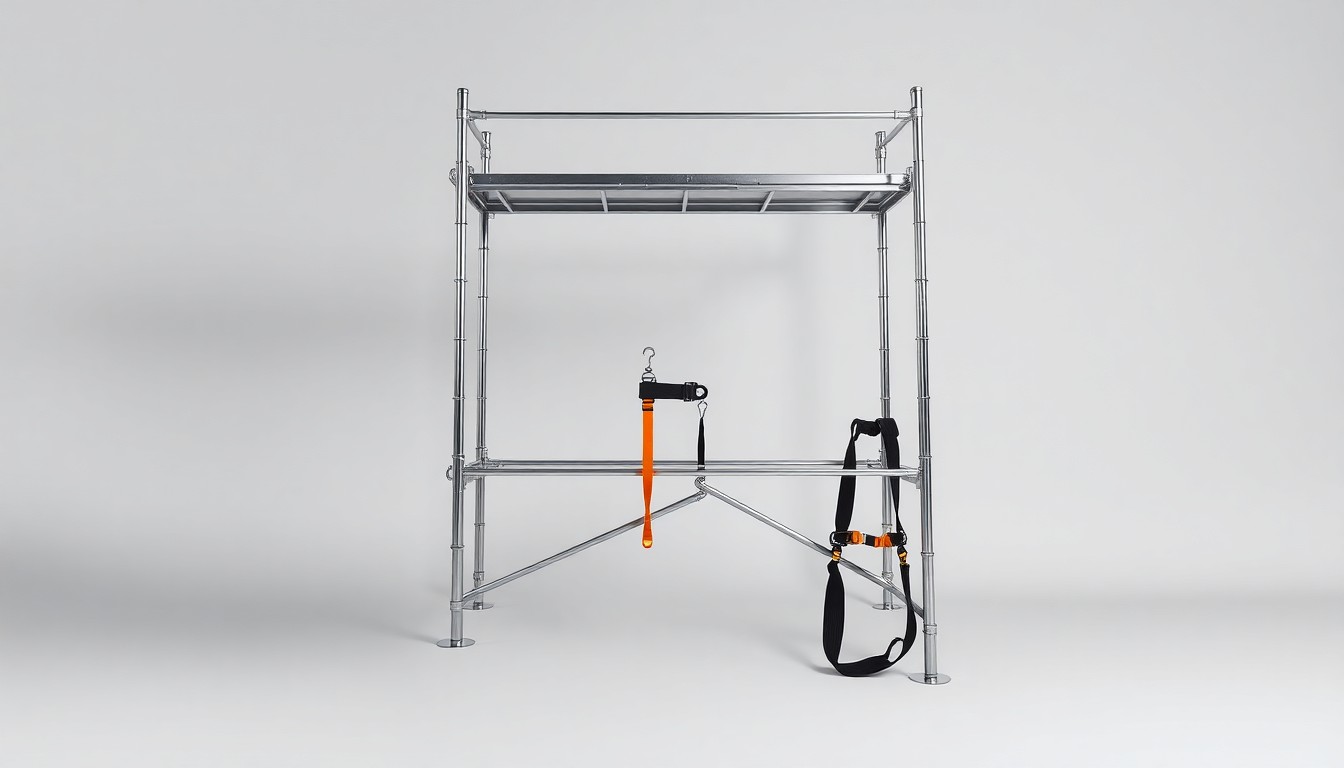 New York's Scaffold Law holds property owners strictly liable for construction worker falls, exposing them to significant financial risk for failing to provide proper safety equipment.NYC Today
Attorney Steven Louros of the Law Office of Steven Louros in Manhattan has published a detailed legal guide explaining how New York's Scaffold Law, also known as Labor Law Section 240, holds property owners and general contractors strictly liable for construction worker injuries caused by falls from heights or being struck by falling objects. The guide outlines the key provisions of the law, who it covers, and the significant financial damages available to injured workers through third-party lawsuits.
Why it matters
The Scaffold Law is one of the strongest worker protection statutes in the country, shifting the burden of liability to property owners and general contractors in construction accident cases. This law is crucial for the thousands of construction workers injured in falls and struck-by incidents across New York City each year, many of whom face long recoveries or are unable to return to work.
The details
Under Section 240, when a construction worker suffers an injury tied to a gravity-related hazard like a fall from a scaffold or being struck by a tool dropped from above, the property owner or general contractor is presumed to be at fault if the right safety equipment was not provided or failed during the job. This strict liability standard means the injured worker does not have to prove negligence. If the safety gear was missing, broken, or set up improperly, and the worker got hurt as a result, the law holds the responsible parties accountable.
- The Scaffold Law has been in effect in New York since the 1800s.
- Attorney Steven Louros recently published a detailed legal guide on the law.
The players
Steven Louros
A construction accident attorney based in Manhattan who specializes in Scaffold Law claims and represents injured workers throughout New York City.
Law Office of Steven Louros
A personal injury firm that handles Labor Law Section 240 Scaffold Law cases, construction site injury claims, and third-party accident lawsuits. The firm employs native-speaking legal staff in Mandarin, Cantonese, and Korean to serve the diverse New York construction workforce.
What they’re saying
“A lot of workers come to us thinking they have no case because they were told the fall was their own fault. Under the Scaffold Law, that argument usually does not hold up. If the owner or contractor did not provide the right scaffolding, harness, or safety net, the liability falls on them. That is the whole point of Section 240.”
— Steven Louros, Founder, Law Office of Steven Louros
“Every week we hear from construction workers who were hurt because a scaffold was not secured or because no one gave them a harness. These are preventable injuries. Section 240 exists because New York decided that the people who own and manage these projects should be held responsible for keeping workers safe at height.”
— Steven Louros, Founder, Law Office of Steven Louros
What’s next
The judge overseeing any Scaffold Law case will determine whether the property owner or general contractor is strictly liable for the worker's injuries based on the specific details and evidence presented.
The takeaway
New York's Scaffold Law is a powerful legal tool that shifts the burden of liability to construction site owners and managers, providing crucial protections and compensation for the thousands of workers injured in falls and struck-by incidents each year across the five boroughs.
New York top stories



New York events

Apr. 6, 2026
The Banksy Museum New York!
Apr. 6, 2026
The Banksy Museum New York!
Apr. 6, 2026
The Banksy Museum New York!