- Today
- Holidays
- Birthdays
- Reminders
- Cities
- Atlanta
- Austin
- Baltimore
- Berwyn
- Beverly Hills
- Birmingham
- Boston
- Brooklyn
- Buffalo
- Charlotte
- Chicago
- Cincinnati
- Cleveland
- Columbus
- Dallas
- Denver
- Detroit
- Fort Worth
- Houston
- Indianapolis
- Knoxville
- Las Vegas
- Los Angeles
- Louisville
- Madison
- Memphis
- Miami
- Milwaukee
- Minneapolis
- Nashville
- New Orleans
- New York
- Omaha
- Orlando
- Philadelphia
- Phoenix
- Pittsburgh
- Portland
- Raleigh
- Richmond
- Rutherford
- Sacramento
- Salt Lake City
- San Antonio
- San Diego
- San Francisco
- San Jose
- Seattle
- Tampa
- Tucson
- Washington
Transit Advocates Push for Expansion of Fair Fares Program in Sunset Park
Riders Alliance and Mixteca rally riders at 36th Street subway station to call for broader transit affordability reforms.
Apr. 3, 2026 at 4:37pm
Got story updates? Submit your updates here. ›
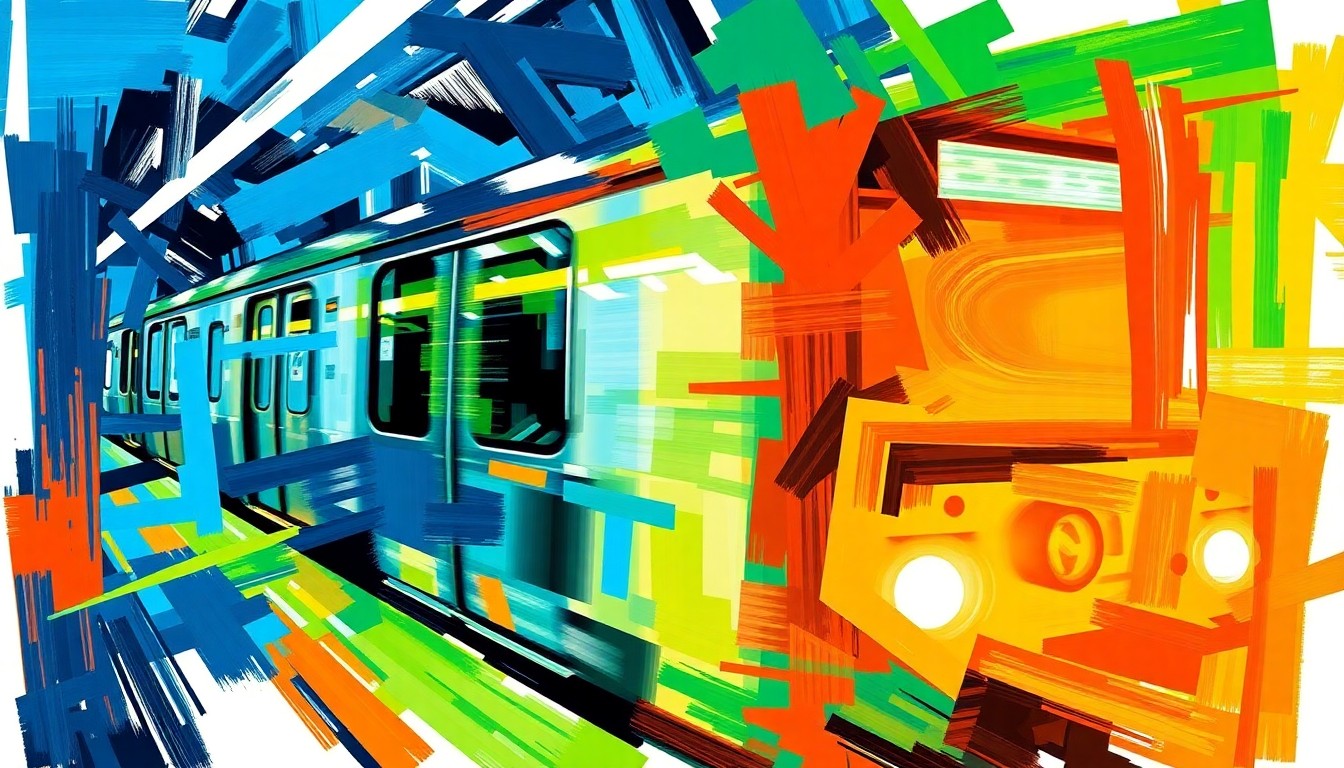 Advocates rally for expanded transit affordability as the city considers expanding the Fair Fares program.NYC Today
One day after the New York City Council backed a plan to expand the Fair Fares NYC program, transit advocates took their message directly to riders across the five boroughs. The proposal would make buses, subways and Access-A-Ride free for New Yorkers living at or below 150% of the federal poverty level, and provide half-price fares for those earning up to 300% of the poverty level. Advocates say expanding Fair Fares would also address fare evasion and reduce punitive measures such as summonses, fines and arrests.
Why it matters
The Fair Fares program currently covers only about 360,000 of the roughly 1 million eligible New Yorkers. Advocates are pushing for broader reforms to make public transportation more affordable for over 2 million low-income residents, arguing that transit should not be a luxury but an affordable right for working families.
The details
At the 36th Street D/N/R subway station in Sunset Park, members of Riders Alliance and Mixteca handed out palm cards in Spanish and English to straphangers, informing them about the proposed expansion and additional reforms. The cards included a QR code linking to an email form urging support for the changes from Mayor Zohran Mamdani, city council members and borough presidents.
- On April 3, 2026, the New York City Council backed a plan to expand the Fair Fares NYC program.
- On the same day, transit advocates held a 'Fair Fares Evening of Action' at subway stations and bus stops across the five boroughs.
The players
Riders Alliance
A coalition of transit advocates pushing for expanded affordability and access to public transportation in New York City.
Mixteca
A community-based organization serving the Mexican and Latin American immigrant community in New York.
Zohran Mamdani
The Mayor of New York City.
Julie Menin
The Speaker of the New York City Council.
Mayana Nell Torres
An organizer with Riders Alliance.
What they’re saying
“That's why we're out here asking riders to email Mayor Mamdani, Council, Speaker Menin, and their council member to expand the Fair Fares program and double the income limit so more people can qualify for half-price transit.”
— Mayana Nell Torres, Organizer, Riders Alliance
“We realized that the prices in New York City are going higher, the rent is going higher, and the transportation is also going higher. So it used to be affordable. It used to be easier for the community to make it here, but with all the changes also in the administration, it's harder for immigrants, first arrivals, and people in general to afford public transportation.”
— Carolina Moreno, Community Advocate, Mixteca
“It's supposed to be free. That doesn't happen for me. I'm spending $100 to get to work every week. Between the rent and this damn MTA, I'm losing money all the time. Between the fare hikes and rent, you can't live; it's just extremely hard.”
— Anonymous Straphanger, Single Mother from Staten Island
What’s next
The New York City Council is expected to vote on the proposed expansion of the Fair Fares program in June 2026.
The takeaway
Expanding the Fair Fares program to provide free or discounted transit for low-income New Yorkers could have a transformative impact, improving access to jobs, education, and essential services for over 2 million residents struggling with rising costs of living. However, advocates argue the current proposal does not go far enough, and are pushing for even broader affordability reforms.