- Today
- Holidays
- Birthdays
- Reminders
- Cities
- Atlanta
- Austin
- Baltimore
- Berwyn
- Beverly Hills
- Birmingham
- Boston
- Brooklyn
- Buffalo
- Charlotte
- Chicago
- Cincinnati
- Cleveland
- Columbus
- Dallas
- Denver
- Detroit
- Fort Worth
- Houston
- Indianapolis
- Knoxville
- Las Vegas
- Los Angeles
- Louisville
- Madison
- Memphis
- Miami
- Milwaukee
- Minneapolis
- Nashville
- New Orleans
- New York
- Omaha
- Orlando
- Philadelphia
- Phoenix
- Pittsburgh
- Portland
- Raleigh
- Richmond
- Rutherford
- Sacramento
- Salt Lake City
- San Antonio
- San Diego
- San Francisco
- San Jose
- Seattle
- Tampa
- Tucson
- Washington
NY Relaxes Hudson River Fish Consumption Limits, But Experts Advise Caution
Environmental group Riverkeeper says the cleanup has more work to do, especially for sensitive groups like children and pregnant women.
Apr. 3, 2026 at 6:42pm
Got story updates? Submit your updates here. ›
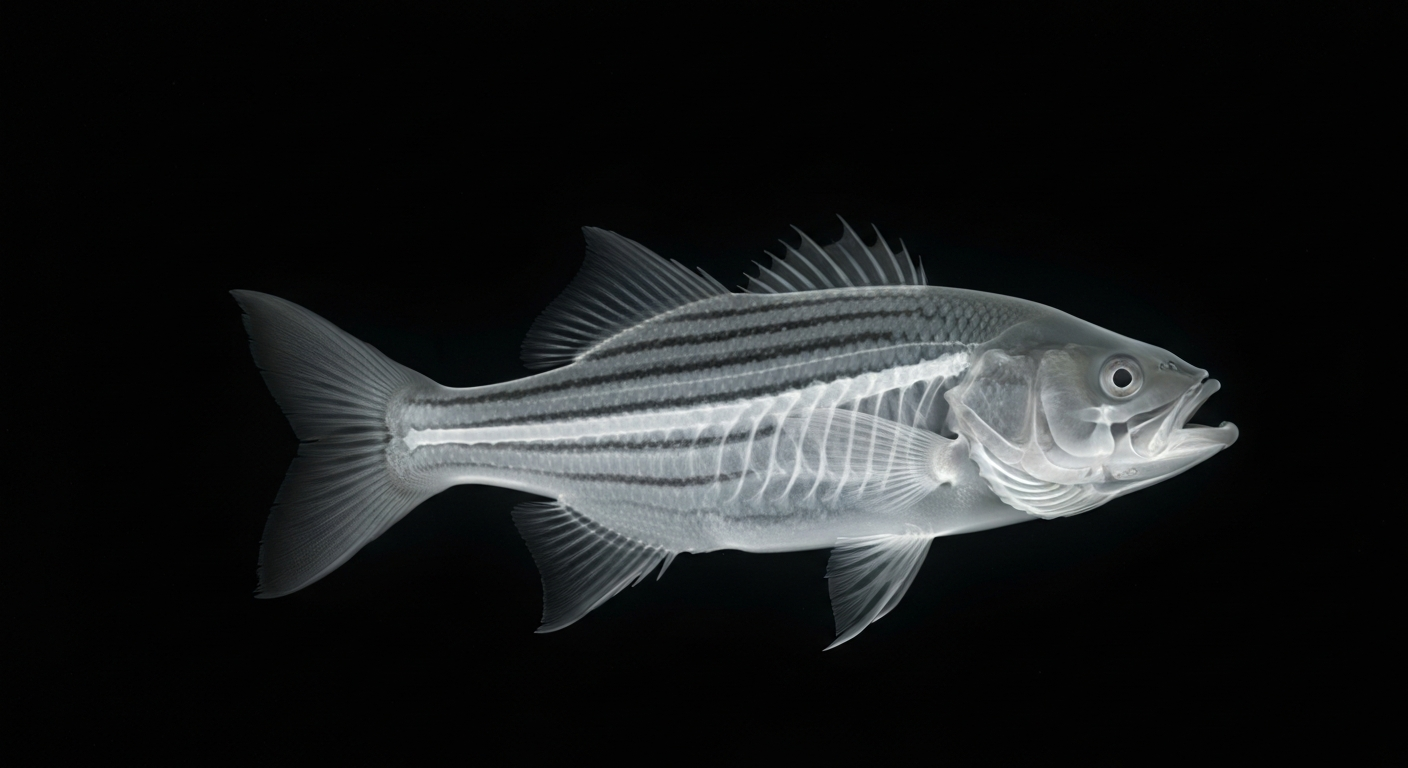 An X-ray view reveals the internal structures of a Hudson River striped bass, a species that can now be consumed in limited quantities under new state guidelines.NYC Today
New York state health officials have updated fish consumption advisories for the lower Hudson River, relaxing some restrictions due to declining levels of polychlorinated biphenyls (PCBs) in the fish. However, the environmental group Riverkeeper cautions the public, especially children and pregnant women, to be very careful about how much Hudson River fish they consume, as the cleanup efforts still have a long way to go.
Why it matters
The Hudson River was designated a federal Superfund site in 1984 due to over 1 million pounds of PCBs dumped by General Electric factories between 1947-1977. PCBs are highly toxic and build up in the environment, posing health risks like thyroid disease and birth defects. While progress has been made, Riverkeeper says more work is needed to fully eliminate PCBs from the river and fish.
The details
The new guidance allows the general population to eat limited amounts of certain fish species like brown bullhead, striped bass, yellow and white perch from the lower Hudson River. However, Riverkeeper advises women under 50 and children under 15 to only consume one 8-ounce serving per month of these fish, and to avoid 'feasting' on them. All other fish varieties like eel and carp are still not considered safe for consumption. The previous advisory restrictions for the general population on safer fish like striped bass and trout remain in place, limiting consumption to no more than 4 times per month.
- The updated fish consumption advisories were released by New York state health officials earlier this week.
- The Hudson River was designated a federal Superfund site in 1984 due to over 1 million pounds of PCBs dumped by General Electric factories between 1947-1977.
The players
Riverkeeper
An environmental group that advises caution about eating Hudson River fish, saying the cleanup has more work to do.
Drew Gamils
Senior attorney for Riverkeeper.
Amanda Lefton
New York State Department of Environmental Conservation Commissioner.
What they’re saying
“Eat the fish, but don't go crazy if you are in the general population. I'd have to caution women under 50 and children under 15. [They] should be very cautious of how much they're eating because the change allows them to eat one fish meal per month. It's very limited. And definitely no feasting. Nobody should feast.”
— Drew Gamils, Senior attorney, Riverkeeper
“New York's waterways are world-renowned for abundant fishing opportunities. It remains critical to advise of any potential health risks from contaminants that may build up in fish tissue in certain bodies of water so that anglers can make well-informed choices about consuming their catch.”
— Amanda Lefton, New York State Department of Environmental Conservation Commissioner
What’s next
Riverkeeper says the cleanup efforts through the Superfund program are still ongoing to continue reducing PCB levels in the Hudson River and fish, and more work is needed before the river can be considered safe for unrestricted consumption.
The takeaway
While progress has been made in reducing PCB contamination in the Hudson River, the cleanup is still a work in progress. Caution is still advised, especially for vulnerable groups like children and pregnant women, when consuming fish from the river. The new advisory reflects an incremental step forward, but full restoration of the Hudson River remains an ongoing challenge.