- Today
- Holidays
- Birthdays
- Reminders
- Cities
- Atlanta
- Austin
- Baltimore
- Berwyn
- Beverly Hills
- Birmingham
- Boston
- Brooklyn
- Buffalo
- Charlotte
- Chicago
- Cincinnati
- Cleveland
- Columbus
- Dallas
- Denver
- Detroit
- Fort Worth
- Houston
- Indianapolis
- Knoxville
- Las Vegas
- Los Angeles
- Louisville
- Madison
- Memphis
- Miami
- Milwaukee
- Minneapolis
- Nashville
- New Orleans
- New York
- Omaha
- Orlando
- Philadelphia
- Phoenix
- Pittsburgh
- Portland
- Raleigh
- Richmond
- Rutherford
- Sacramento
- Salt Lake City
- San Antonio
- San Diego
- San Francisco
- San Jose
- Seattle
- Tampa
- Tucson
- Washington
Lyrid Meteor Shower to Light Up Night Skies
Annual celestial event will be visible across North America in late April.
Apr. 3, 2026 at 5:15pm
Got story updates? Submit your updates here. ›
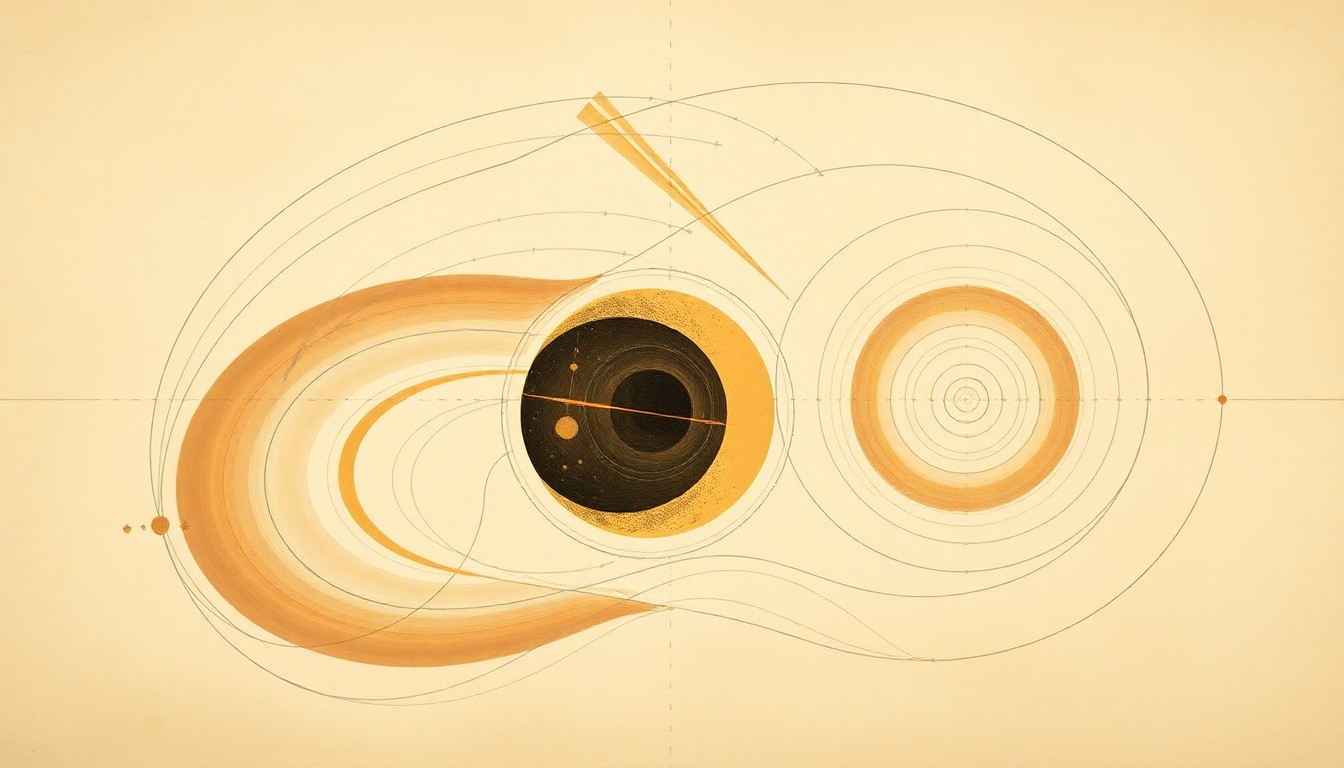 The annual Lyrid meteor shower paints the night sky with a dazzling display of celestial fireworks, a natural wonder that has captivated stargazers for centuries.NYC Today
The annual Lyrid meteor shower is set to peak in late April, providing stargazers across North America with a dazzling display of shooting stars in the night sky. The Lyrids are one of the oldest known meteor showers, with records of the event dating back over 2,700 years.
Why it matters
The Lyrid meteor shower is a highly anticipated annual celestial event that captivates amateur and professional astronomers alike. As one of the most reliable meteor showers, the Lyrids offer a chance for the public to witness the wonders of the night sky and appreciate the natural cycles of the universe.
The details
The Lyrid meteor shower occurs each year when the Earth passes through the debris field left by the comet Thatcher. As these tiny particles of comet dust enter the Earth's atmosphere at high speeds, they burn up, creating the streaks of light we call meteors. Peak activity is expected on the night of April 22nd into the early morning of April 23rd, when stargazers may be able to see up to 18 meteors per hour.
- The Lyrid meteor shower is active from April 16 to April 25 each year.
- The peak of the shower is expected on the night of April 22, 2026 into the early morning of April 23, 2026.
The players
Alfred E. Thatcher
An amateur astronomer who observed the Lyrids from his home in New York in 1857, making one of the earliest recorded observations of the meteor shower.
Comet Thatcher
The periodic comet that leaves behind the debris field that causes the annual Lyrid meteor shower when the Earth passes through it.
What they’re saying
“The Lyrid meteor shower is a reliable and highly anticipated event that offers a chance for the public to connect with the natural wonders of the cosmos.”
— Dr. Sarah Jayne, Astronomer, University of California, Berkeley
What’s next
Stargazers should check weather forecasts and find a dark location away from light pollution to maximize their chances of seeing the Lyrid meteor shower at its peak on the night of April 22-23, 2026.
The takeaway
The annual Lyrid meteor shower is a celestial event that has captivated humanity for millennia, offering a chance to marvel at the natural cycles of the universe and appreciate the beauty of the night sky.