- Today
- Holidays
- Birthdays
- Reminders
- Cities
- Atlanta
- Austin
- Baltimore
- Berwyn
- Beverly Hills
- Birmingham
- Boston
- Brooklyn
- Buffalo
- Charlotte
- Chicago
- Cincinnati
- Cleveland
- Columbus
- Dallas
- Denver
- Detroit
- Fort Worth
- Houston
- Indianapolis
- Knoxville
- Las Vegas
- Los Angeles
- Louisville
- Madison
- Memphis
- Miami
- Milwaukee
- Minneapolis
- Nashville
- New Orleans
- New York
- Omaha
- Orlando
- Philadelphia
- Phoenix
- Pittsburgh
- Portland
- Raleigh
- Richmond
- Rutherford
- Sacramento
- Salt Lake City
- San Antonio
- San Diego
- San Francisco
- San Jose
- Seattle
- Tampa
- Tucson
- Washington
IEEE Standard Seeks to Define Digital Human Boundaries
As AI-generated tributes and digital resurrection become more common, new guidelines aim to address legal and ethical concerns.
Apr. 3, 2026 at 5:07am
Got story updates? Submit your updates here. ›
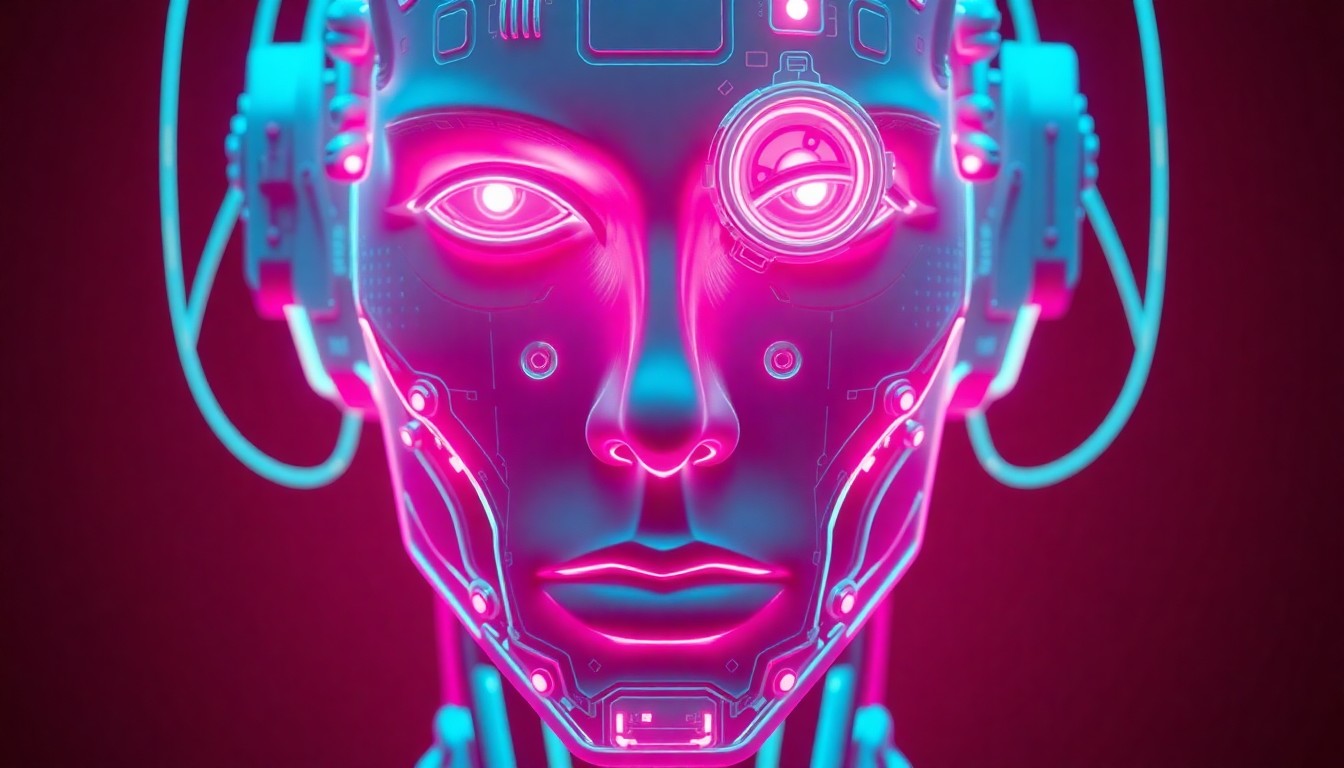 As AI-powered digital resurrection becomes more feasible, new standards aim to define the boundaries of this emerging technology and its ethical implications.NYC Today
A new IEEE standard, drafted with input from Shinshot Media Inc., is attempting to establish technical and usage guidelines for the creation of AI-powered 'digital humans' in order to address the legal and ethical gray areas around posthumous publicity rights, copyright, and personality rights as the technology advances.
Why it matters
The increasing ability to realistically recreate a person's image, voice, and mannerisms using AI has outpaced legal frameworks, leading to concerns about the potential for misuse of digital likenesses, especially of deceased individuals. This standard aims to establish some baseline technical and ethical boundaries as the industry grapples with these emerging challenges.
The details
The IEEE/P2048.121 standard, titled 'Standard for General Technical Requirements for Service-oriented Digital Humans Based on Artificial Intelligence', incorporates questions around human likeness beyond just the technical capabilities. It seeks to define usage norms and compliance boundaries as the legal and ethical frameworks struggle to keep up with the rapid advancements in multimodal AI generation. Traditional distinctions between image rights, copyright, and personality rights have become blurred when applied to highly realistic, interactive digital humans.
- The IEEE standard drafting process began in 2025.
- The standard is expected to be finalized and published in late 2026.
The players
IEEE
The Institute of Electrical and Electronics Engineers, a leading global technical professional organization that develops international standards.
Shinshot Media Inc.
A media company with experience in film distribution and digital content creation that has participated in the development of the IEEE standard, bringing its perspective on the challenges around digital likeness rights.
What’s next
The IEEE standard is expected to be finalized and published in late 2026, providing a technical framework and usage guidelines to help address the legal and ethical concerns around the increasing use of AI-generated digital humans.
The takeaway
As AI-powered digital recreation of individuals becomes more advanced and widespread, there is a growing need to establish clear technical, legal, and ethical boundaries to prevent the misuse of digital likenesses, especially of deceased persons. This IEEE standard represents an industry-led effort to proactively address these emerging challenges.