- Today
- Holidays
- Birthdays
- Reminders
- Cities
- Atlanta
- Austin
- Baltimore
- Berwyn
- Beverly Hills
- Birmingham
- Boston
- Brooklyn
- Buffalo
- Charlotte
- Chicago
- Cincinnati
- Cleveland
- Columbus
- Dallas
- Denver
- Detroit
- Fort Worth
- Houston
- Indianapolis
- Knoxville
- Las Vegas
- Los Angeles
- Louisville
- Madison
- Memphis
- Miami
- Milwaukee
- Minneapolis
- Nashville
- New Orleans
- New York
- Omaha
- Orlando
- Philadelphia
- Phoenix
- Pittsburgh
- Portland
- Raleigh
- Richmond
- Rutherford
- Sacramento
- Salt Lake City
- San Antonio
- San Diego
- San Francisco
- San Jose
- Seattle
- Tampa
- Tucson
- Washington
How Streetwear Brands Grew from Humble Beginnings
A new book chronicles the rise of streetwear from small-scale operations to a multibillion-dollar industry.
Apr. 3, 2026 at 2:54pm
Got story updates? Submit your updates here. ›
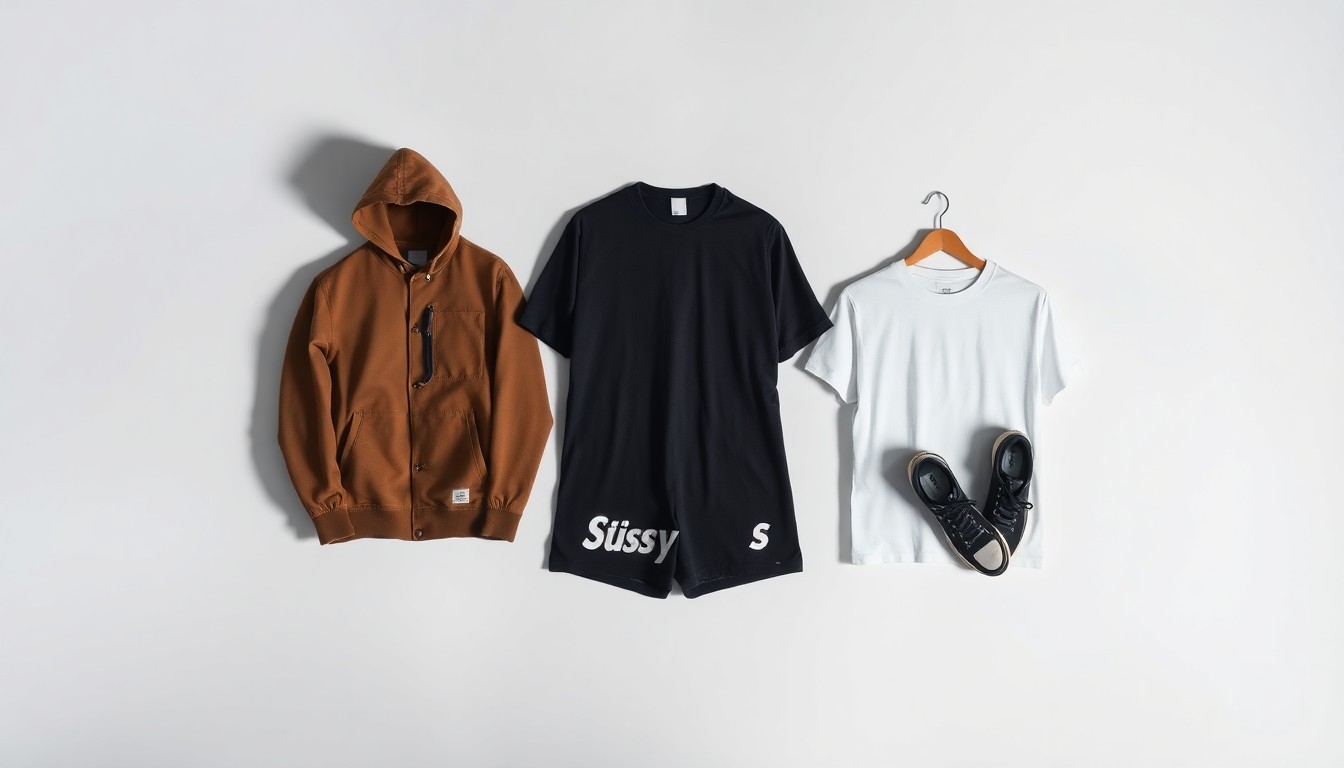 A premium streetwear collection symbolizes the rise of casual fashion as a multibillion-dollar industry built on cultural rebellion.NYC Today
The book 'Bigger Than Fashion: How 'Streetwear' Conquered Culture' by Tyler Watamanuk traces the origins of the streetwear industry, which emerged from California's skateboard shops and the streets of Flatbush, Brooklyn in the 1980s. The author highlights how early streetwear brands like Supreme and Off-White were started by scrappy entrepreneurs who merged elements of graffiti, break dancing, hip-hop, punk rock, and skateboarding into a new fashion aesthetic that eventually became mainstream.
Why it matters
The rise of streetwear represents a shift in fashion away from traditional luxury brands towards more casual, youth-driven styles that reflect broader cultural trends and rebellion. As these once-niche brands have grown into major businesses, it highlights how fashion can be a vehicle for self-expression and community-building, especially among marginalized groups.
The details
The book chronicles how the first wave of streetwear brands, started by designers like James Jebbia of Supreme and Virgil Abloh of Off-White, went from small-scale operations to becoming part of the corporate fashion world. Brands like Supreme, which started in 1994 with a daily gross of $1,000, eventually became high-profile collaborators and trendsetters. The book also highlights the story of Carl Williams, founder of Karl Kani, who started by selling baggy jeans out of the trunk of his car in Flatbush before dressing rap icons like Tupac Shakur and LL Cool J.
- Streetwear emerged from California's skateboard shops and the streets of Flatbush, Brooklyn in the 1980s.
- James Jebbia started Supreme in New York in 1994.
- In 2018, James Jebbia was named menswear designer of the year by the Council of Fashion Designers of America.
- Virgil Abloh launched Off-White, his brand with 'Duchampian 'nothing is new' chic', in 2013.
The players
Tyler Watamanuk
The author of the book 'Bigger Than Fashion: How 'Streetwear' Conquered Culture' and a longtime writer for GQ.
James Jebbia
The founder of Supreme, a streetwear brand that started in New York in 1994 and went on to become a high-profile collaborator and trendsetter in the fashion industry.
Virgil Abloh
The influential designer who launched the streetwear brand Off-White in 2013, known for its 'Duchampian 'nothing is new' chic'.
Carl Williams
The founder of streetwear brand Karl Kani, who started by hawking baggy jeans out of the trunk of his car in Flatbush before dressing rap icons like Tupac Shakur and LL Cool J.
What they’re saying
“These were 'kids who didn't have a regular income and had to create their own,'”
— Tyler Watamanuk, Author
“Many were raised in 'immigrant households, with a ravenous appreciation for American pop culture, sneakers, graphic T-shirts, and hip-hop.'”
— Tyler Watamanuk, Author
“He aptly calls early adopters of the look a mashup of 'skaters dressing like rappers dressing like drug dealers.'”
— Tyler Watamanuk, Author
The takeaway
The rise of streetwear from humble beginnings to a multibillion-dollar industry represents a broader shift in fashion towards more casual, youth-driven styles that reflect cultural trends and rebellion. This evolution highlights how fashion can be a powerful vehicle for self-expression and community-building, especially among marginalized groups.
New York top stories



New York events
Apr. 5, 2026
The Banksy Museum New York!
Apr. 5, 2026
The Banksy Museum New York!Apr. 5, 2026
The Banksy Museum New York!