- Today
- Holidays
- Birthdays
- Reminders
- Cities
- Atlanta
- Austin
- Baltimore
- Berwyn
- Beverly Hills
- Birmingham
- Boston
- Brooklyn
- Buffalo
- Charlotte
- Chicago
- Cincinnati
- Cleveland
- Columbus
- Dallas
- Denver
- Detroit
- Fort Worth
- Houston
- Indianapolis
- Knoxville
- Las Vegas
- Los Angeles
- Louisville
- Madison
- Memphis
- Miami
- Milwaukee
- Minneapolis
- Nashville
- New Orleans
- New York
- Omaha
- Orlando
- Philadelphia
- Phoenix
- Pittsburgh
- Portland
- Raleigh
- Richmond
- Rutherford
- Sacramento
- Salt Lake City
- San Antonio
- San Diego
- San Francisco
- San Jose
- Seattle
- Tampa
- Tucson
- Washington
Trump Administration Unveils Up to 100% Tariff on Branded Drugs
Drugmakers or countries that strike pricing deals or make manufacturing investment commitments in the U.S. can secure much lower levies, or none at all.
Apr. 2, 2026 at 7:41pm
Got story updates? Submit your updates here. ›
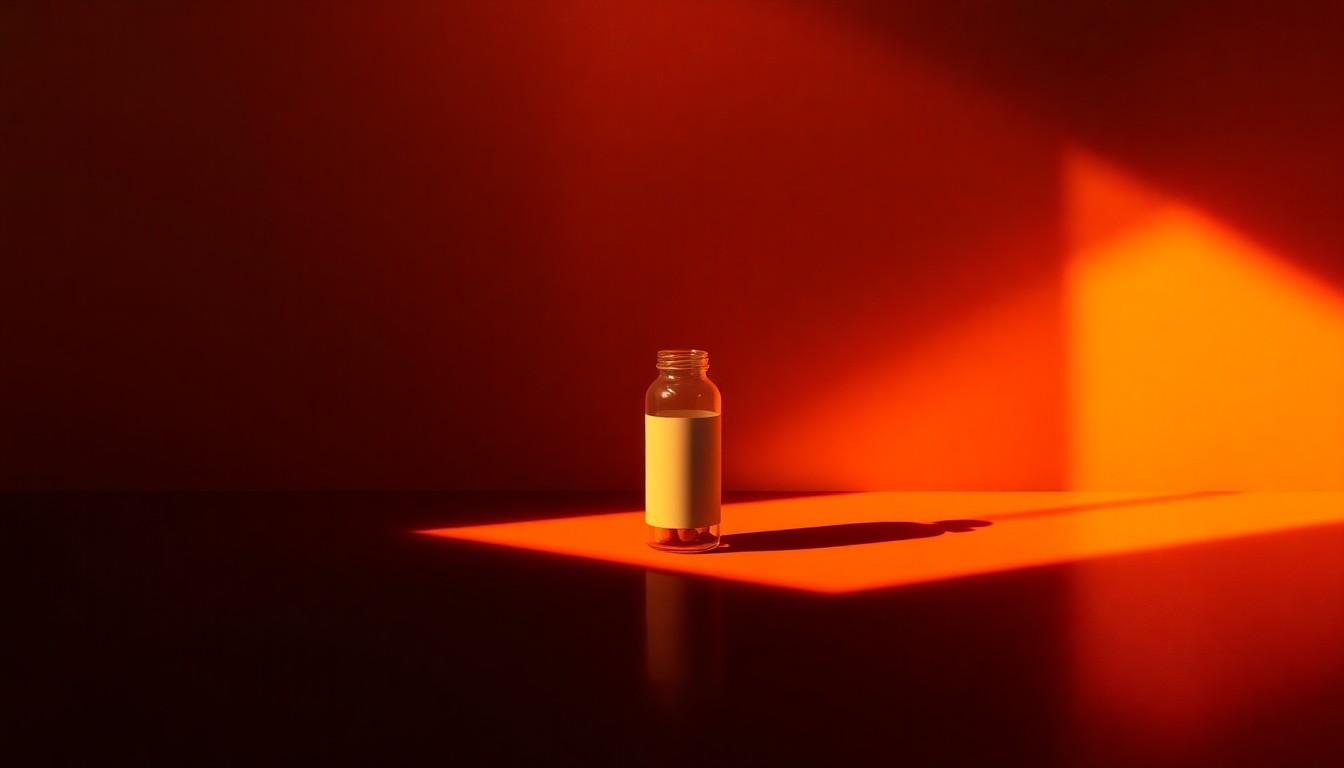 The Trump administration's new tariffs on imported branded drugs aim to pressure pharmaceutical companies to lower prices for American consumers.NYC Today
The U.S. government announced it will impose tariffs of up to 100% on branded pharmaceutical imports, though nations or drugmakers that strike deals with the Trump administration or commit to build manufacturing facilities in the U.S. can receive lower levies.
Why it matters
This move is part of the Trump administration's ongoing efforts to lower prescription drug prices in the U.S. by leveraging trade policy to pressure pharmaceutical companies and foreign governments to offer better pricing for American consumers.
The details
The 100% tariff will apply to patented imported pharmaceuticals from companies that haven't committed to invest in the U.S. and haven't entered into 'most favored nation' agreements to match their U.S. prices to the lowest they charge in other developed countries.
- The White House announced the new tariffs on Thursday, April 2, 2026.
The players
Trump Administration
The executive branch of the U.S. federal government under former President Donald Trump, which is seeking to lower prescription drug prices through trade policy.
What’s next
The new tariffs are expected to go into effect in the coming months, with details on implementation and enforcement still to be determined by the administration.
The takeaway
This aggressive trade action represents the Trump administration's latest attempt to address high drug prices, though its long-term impact on the pharmaceutical industry and consumer costs remains to be seen.