- Today
- Holidays
- Birthdays
- Reminders
- Cities
- Atlanta
- Austin
- Baltimore
- Berwyn
- Beverly Hills
- Birmingham
- Boston
- Brooklyn
- Buffalo
- Charlotte
- Chicago
- Cincinnati
- Cleveland
- Columbus
- Dallas
- Denver
- Detroit
- Fort Worth
- Houston
- Indianapolis
- Knoxville
- Las Vegas
- Los Angeles
- Louisville
- Madison
- Memphis
- Miami
- Milwaukee
- Minneapolis
- Nashville
- New Orleans
- New York
- Omaha
- Orlando
- Philadelphia
- Phoenix
- Pittsburgh
- Portland
- Raleigh
- Richmond
- Rutherford
- Sacramento
- Salt Lake City
- San Antonio
- San Diego
- San Francisco
- San Jose
- Seattle
- Tampa
- Tucson
- Washington
New York City food banks strained by rising prices due to Iran war
Soaring costs for fuel and transportation are squeezing food banks' ability to serve the community
Apr. 2, 2026 at 9:08pm
Got story updates? Submit your updates here. ›
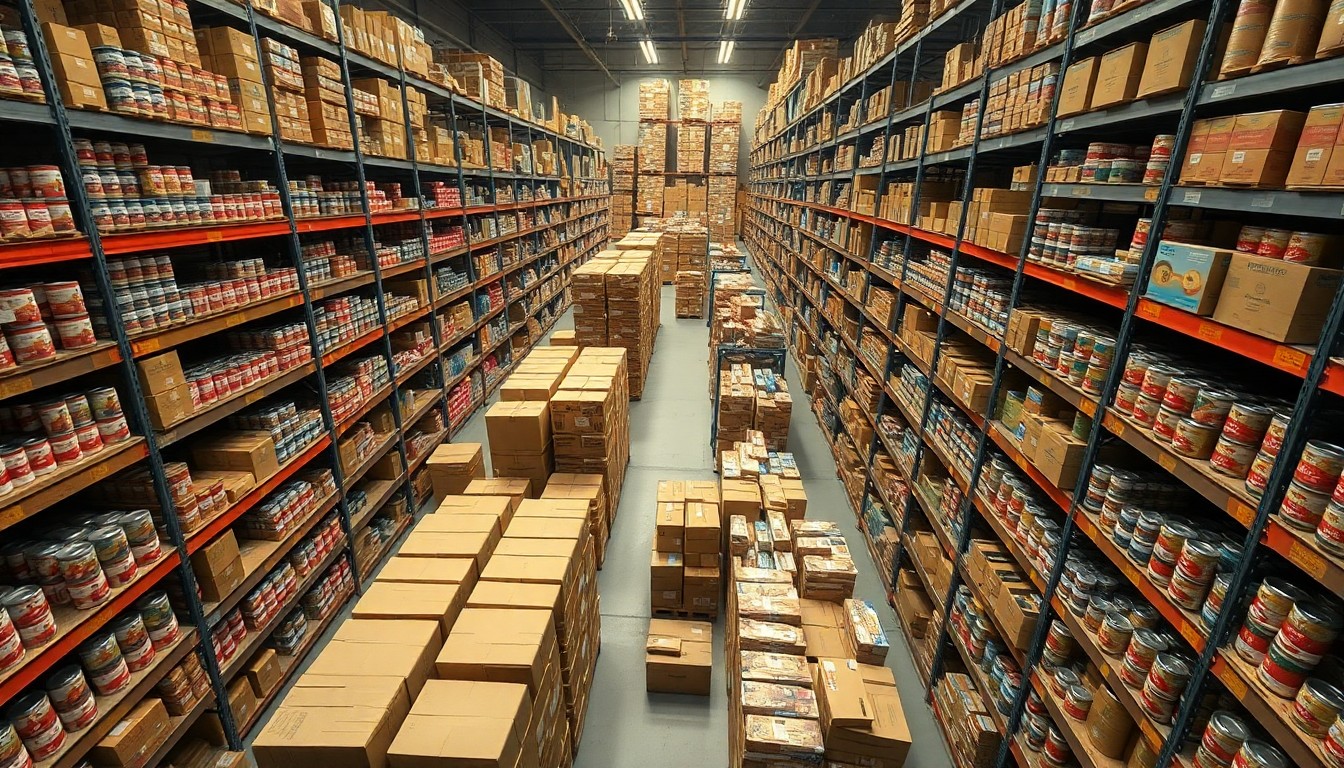 As rising fuel costs strain the operations of New York City's food banks, the scale of their efforts to feed the community is laid bare in this sweeping aerial view.NYC Today
Food banks in New York City are facing a 35% increase in costs since February due to the rising prices of diesel fuel, which is needed to power their fleet of trucks and keep food fresh. This price surge is driven by the ongoing war with Iran, which has disrupted global oil supply chains. As a result, many low-income households are becoming more food insecure, and the food banks are having to strategize on how to ensure they can continue providing essential services to the community.
Why it matters
The strain on food banks comes at a time when more New Yorkers are relying on their services due to the high cost of groceries. This issue highlights the ripple effects that global conflicts can have on local communities, underscoring the importance of food security programs in supporting vulnerable populations.
The details
The Food Bank For New York City says its costs have jumped 35% since the first week in February, driven by the rising price of diesel fuel needed to power its fleet of 39 trucks and keep food fresh during transport. This price surge is a direct result of the ongoing war with Iran, which has disrupted global oil supply chains and tanker traffic through the Strait of Hormuz. As a result, many low-income households in New York City are becoming increasingly dependent on free food from food banks, while also avoiding purchasing certain grocery items due to high costs.
- Grocery prices have gone up about 3% in the past year, in part because of tariffs.
- The Food Bank For New York City says its costs have jumped 35% since the first week in February 2026.
The players
Food Bank For New York City
A non-profit organization that operates a network of food pantries and soup kitchens across New York City to alleviate hunger and food insecurity.
Elizabeth Romano
The Senior Director of Operations for the Food Bank For New York City.
Nevin Cohen
The director of the CUNY Urban Food Policy Institute, who studies the impacts of food prices on low-income households.
What they’re saying
“All those costs that are going to increase, whether it's transportation, fuel, they're going to pack into the food prices and then our community, our neighbors, if they weren't able to get food before at their local supermarkets, now the impact is greater.”
— Elizabeth Romano, Sr. Dir of Operations, Food Bank for NYC
“Low-income households spend about a third or more of their income on groceries, and so any increase in price is going to make more people at the lower income level more food insecure.”
— Nevin Cohen, Director, CUNY Urban Food Policy Institute
What’s next
The Food Bank For New York City is strategizing on ways to ensure it can continue providing essential food services to the community, including evaluating which foods are more cost-effective to purchase in bulk.
The takeaway
This situation underscores the vulnerability of food-insecure communities to global economic shocks, and highlights the critical role that food banks and other hunger relief organizations play in supporting low-income households during times of crisis.