- Today
- Holidays
- Birthdays
- Reminders
- Cities
- Atlanta
- Austin
- Baltimore
- Berwyn
- Beverly Hills
- Birmingham
- Boston
- Brooklyn
- Buffalo
- Charlotte
- Chicago
- Cincinnati
- Cleveland
- Columbus
- Dallas
- Denver
- Detroit
- Fort Worth
- Houston
- Indianapolis
- Knoxville
- Las Vegas
- Los Angeles
- Louisville
- Madison
- Memphis
- Miami
- Milwaukee
- Minneapolis
- Nashville
- New Orleans
- New York
- Omaha
- Orlando
- Philadelphia
- Phoenix
- Pittsburgh
- Portland
- Raleigh
- Richmond
- Rutherford
- Sacramento
- Salt Lake City
- San Antonio
- San Diego
- San Francisco
- San Jose
- Seattle
- Tampa
- Tucson
- Washington
Sanders Challenges JPMorgan CEO Dimon on Wealth Tax
Senator explains how a 5% tax on billionaires would impact Dimon and lower-income families
Mar. 31, 2026 at 8:40pm
Got story updates? Submit your updates here. ›
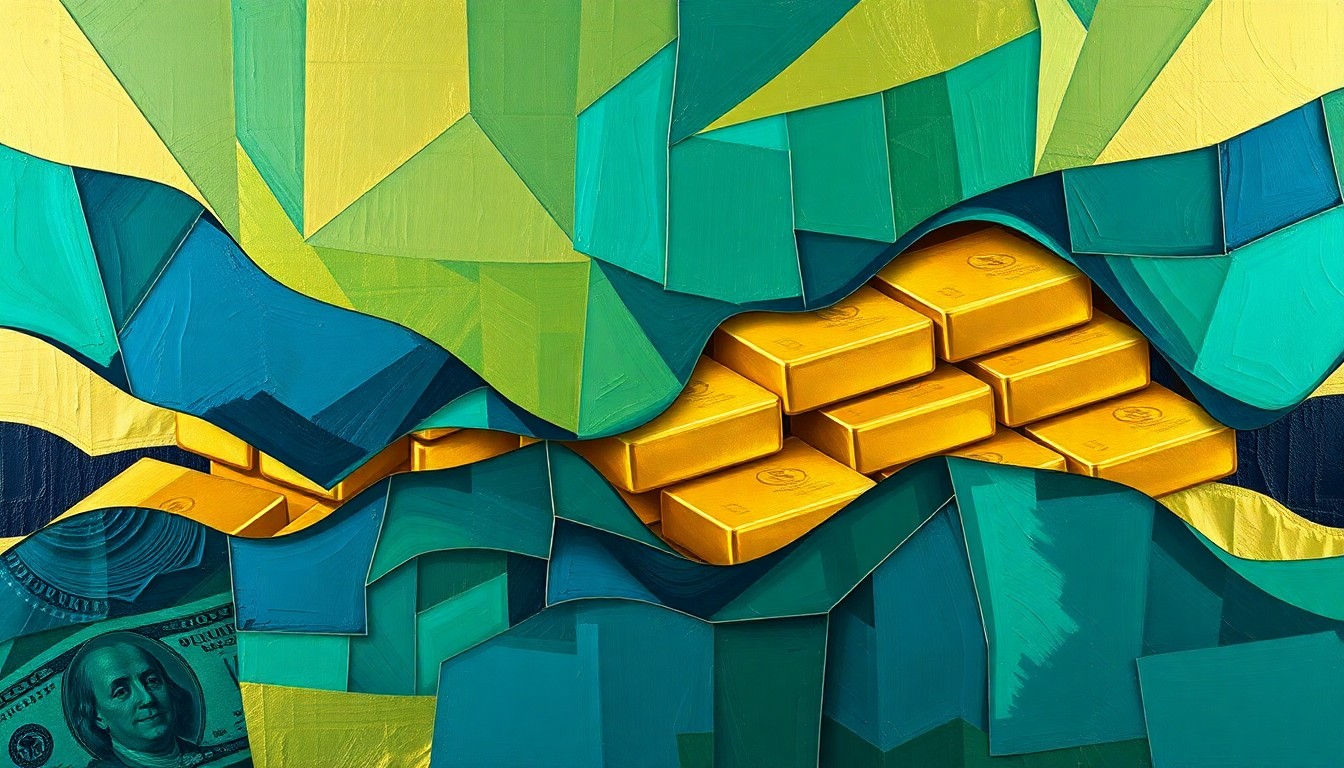 The heated debate over taxing billionaires' wealth exposes the widening divide between the ultra-rich and those advocating for economic equality.NYC Today
In response to JPMorgan Chase CEO Jamie Dimon's criticism of a proposed federal wealth tax, Senator Bernie Sanders took to social media to provide a detailed breakdown of how the tax would impact Dimon personally and benefit lower-income families. Sanders noted that if his 5% wealth tax on billionaires was enacted, Dimon would owe an additional $135 million in taxes, while a family of four making $150,000 or less would receive a $12,000 payment.
Why it matters
The exchange highlights the ongoing debate over wealth inequality and the role of taxes in addressing it. Sanders has long argued that billionaires and the ultra-wealthy do not pay their 'fair share' in taxes, while critics like Dimon contend that raising taxes on the rich will lead to an 'exodus' of wealth. This debate is playing out at both the federal and state level, as California considers a ballot initiative to impose a one-time 5% tax on its billionaires.
The details
Following the introduction of Sanders and Rep. Ro Khanna's federal proposal to tax those with net worths of more than $1 billion 5% of their annual household wealth, Dimon appeared on Fox News and questioned what Sanders meant by 'fair share' in taxes. Sanders responded on social media, providing specific details on how Dimon would be impacted by the wealth tax and how the revenue would benefit lower-income families.
- Earlier this month, Sanders and Rep. Ro Khanna introduced a federal proposal to tax those with net worths of more than $1 billion 5% of their annual household wealth.
- On March 31, 2026, Dimon appeared on Fox News and questioned Sanders' calls for billionaires to pay their 'fair share' in taxes.
- Also on March 31, 2026, Sanders responded to Dimon on social media with details on how the wealth tax would impact him and benefit lower-income families.
The players
Bernie Sanders
A US Senator from Vermont who has long advocated for higher taxes on the wealthy and billionaires.
Jamie Dimon
The CEO of JPMorgan Chase, who is worth an estimated $2.8 billion according to Forbes.
Ro Khanna
A Democratic Congressman from California who co-introduced the federal wealth tax proposal with Sanders.
What they’re saying
“If my 5% wealth tax on billionaires was enacted, you'd owe $135 million more in taxes, and a family of four making $150,000 or less would receive a $12,000 payment.”
— Bernie Sanders, US Senator
“I don't know what he means by fair share. I've listened to that my whole life, and I don't know what he means.”
— Jamie Dimon, CEO, JPMorgan Chase
What’s next
The proposed federal wealth tax will likely face significant opposition from billionaires and their allies, as seen with the ongoing battle over a similar ballot initiative in California. The outcome of these debates will have major implications for the future of wealth inequality and the role of taxes in addressing it.
The takeaway
This exchange highlights the deep divide between the ultra-wealthy, like Dimon, and those advocating for higher taxes on the rich, like Sanders. While Dimon questions the notion of 'fair share,' Sanders provides concrete examples of how a wealth tax could significantly impact billionaires while also benefiting lower-income families. The outcome of these debates will shape the future of economic inequality in the US.
New York top stories



New York events

Apr. 5, 2026
The Banksy Museum New York!
Apr. 5, 2026
The Banksy Museum New York!
Apr. 5, 2026
The Banksy Museum New York!