- Today
- Holidays
- Birthdays
- Reminders
- Cities
- Atlanta
- Austin
- Baltimore
- Berwyn
- Beverly Hills
- Birmingham
- Boston
- Brooklyn
- Buffalo
- Charlotte
- Chicago
- Cincinnati
- Cleveland
- Columbus
- Dallas
- Denver
- Detroit
- Fort Worth
- Houston
- Indianapolis
- Knoxville
- Las Vegas
- Los Angeles
- Louisville
- Madison
- Memphis
- Miami
- Milwaukee
- Minneapolis
- Nashville
- New Orleans
- New York
- Omaha
- Orlando
- Philadelphia
- Phoenix
- Pittsburgh
- Portland
- Raleigh
- Richmond
- Rutherford
- Sacramento
- Salt Lake City
- San Antonio
- San Diego
- San Francisco
- San Jose
- Seattle
- Tampa
- Tucson
- Washington
US Stocks Swing as Oil Prices Climb Amid Iran War
Uncertainty over the war's end keeps markets volatile as investors weigh economic impacts.
Mar. 30, 2026 at 2:10pm
Got story updates? Submit your updates here. ›
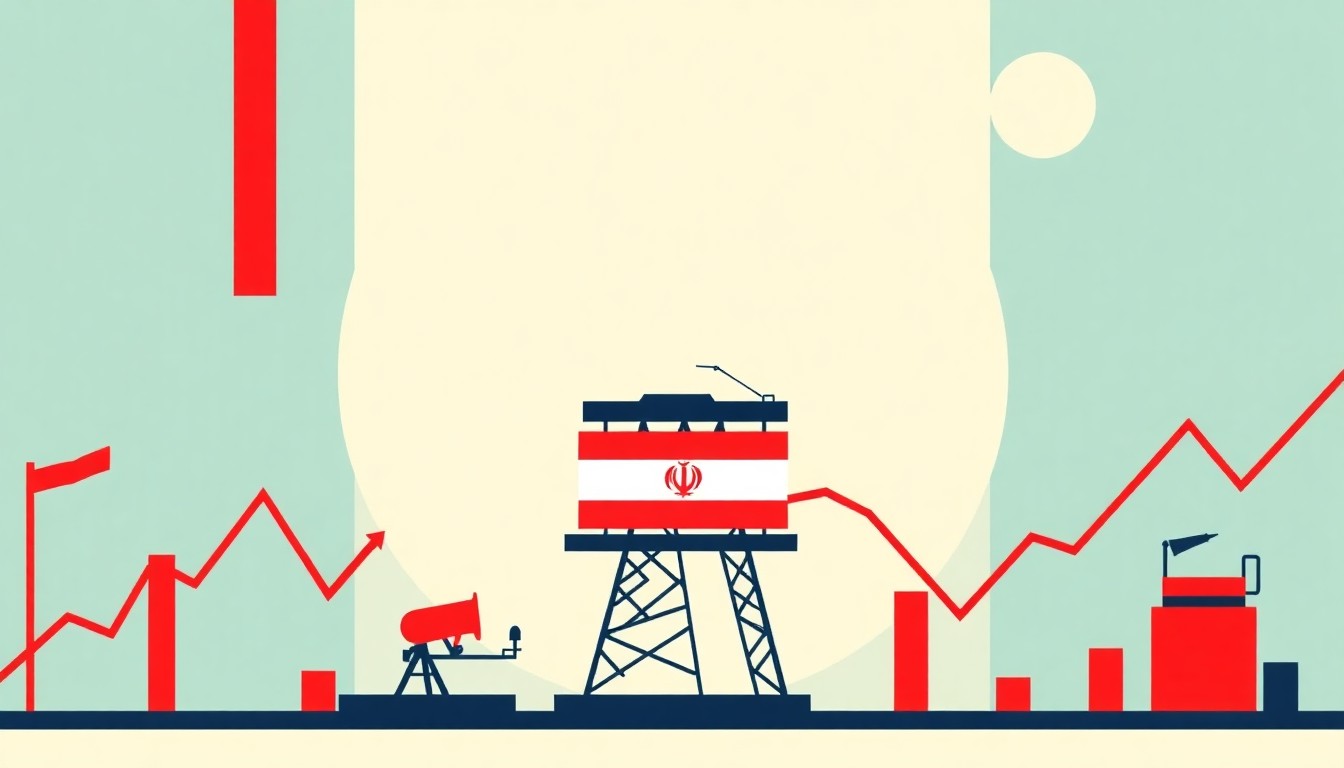 Volatile stock trading and soaring oil costs reflect the economic uncertainty of the Iran conflict.NYC Today
U.S. stocks fluctuated on Monday as oil prices continued to rise due to uncertainty surrounding the end of the ongoing war with Iran. The S&P 500 inched up 0.1% in morning trading, recovering slightly from its worst week since the start of the conflict. The Dow Jones Industrial Average rose 0.4%, while the Nasdaq composite slipped 0.1%. The mixed movements followed a weekend of turbulent developments in the war, with President Trump both touting progress in talks and threatening further attacks on Iranian infrastructure.
Why it matters
The war with Iran and its impact on global oil supplies is a major concern for investors, as it threatens to drive up inflation and force the Federal Reserve to raise interest rates more aggressively. Stocks have fallen sharply since the conflict began, with the S&P 500 now 7.4% below its pre-war record high. However, some analysts see signs that the market correction may be nearing its end, provided the Fed doesn't have to hike rates too high.
The details
U.S. stocks swung between gains and losses on Monday as oil prices continued to climb due to uncertainty over when the war with Iran might end. The S&P 500 inched up 0.1% in morning trading, while the Dow rose 0.4% and the Nasdaq slipped 0.1%. The mixed performance followed a weekend of turbulent developments in the conflict, with President Trump both touting progress in talks and threatening further attacks on Iranian infrastructure if a deal is not reached soon. Investors remain highly focused on the impact of the war on global oil supplies and the potential for further inflation, which could force the Federal Reserve to raise interest rates more aggressively.
- On Monday morning, U.S. stocks were trading.
- Last week, the S&P 500 fell 7.4% from its all-time high set in January.
The players
Donald Trump
The President of the United States, who has both touted progress in talks with Iran and threatened further attacks on Iranian infrastructure if a deal is not reached soon.
Michael Wilson
A strategist at Morgan Stanley who believes there are signs the stock market correction may be nearing its end, provided the Federal Reserve does not have to raise interest rates too high.
What they’re saying
“'great progress has been made' with 'A NEW, AND MORE REASONABLE, REGIME to end our Military Operations in Iran.'”
— Donald Trump, President of the United States
“'growing evidence the S&P 500 correction is getting closer to its ending stages.'”
— Michael Wilson, Strategist
What’s next
Investors will be closely watching for any further developments in the war with Iran, as well as any signals from the Federal Reserve about its plans for interest rate hikes in response to rising inflation.
The takeaway
The ongoing war with Iran and its impact on global oil supplies remains a major concern for investors, with stocks continuing to experience volatility as the conflict drags on. However, some analysts see signs that the market correction may be nearing its end, provided the Federal Reserve can navigate the delicate balance between controlling inflation and avoiding overly aggressive rate hikes.
New York top stories



New York events

Mar. 30, 2026
Vince Giordano and the Nighthawks
Mar. 30, 2026
Cory Branan
Mar. 30, 2026
CATS: The Jellicle Ball