- Today
- Holidays
- Birthdays
- Reminders
- Cities
- Atlanta
- Austin
- Baltimore
- Berwyn
- Beverly Hills
- Birmingham
- Boston
- Brooklyn
- Buffalo
- Charlotte
- Chicago
- Cincinnati
- Cleveland
- Columbus
- Dallas
- Denver
- Detroit
- Fort Worth
- Houston
- Indianapolis
- Knoxville
- Las Vegas
- Los Angeles
- Louisville
- Madison
- Memphis
- Miami
- Milwaukee
- Minneapolis
- Nashville
- New Orleans
- New York
- Omaha
- Orlando
- Philadelphia
- Phoenix
- Pittsburgh
- Portland
- Raleigh
- Richmond
- Rutherford
- Sacramento
- Salt Lake City
- San Antonio
- San Diego
- San Francisco
- San Jose
- Seattle
- Tampa
- Tucson
- Washington
Powerful X-class Solar Flare Triggers Radio Blackout Ahead of Artemis 2 Launch
The flare also launched a fast-moving coronal mass ejection that could impact Artemis 2 preparations.
Mar. 30, 2026 at 12:04pm
Got story updates? Submit your updates here. ›
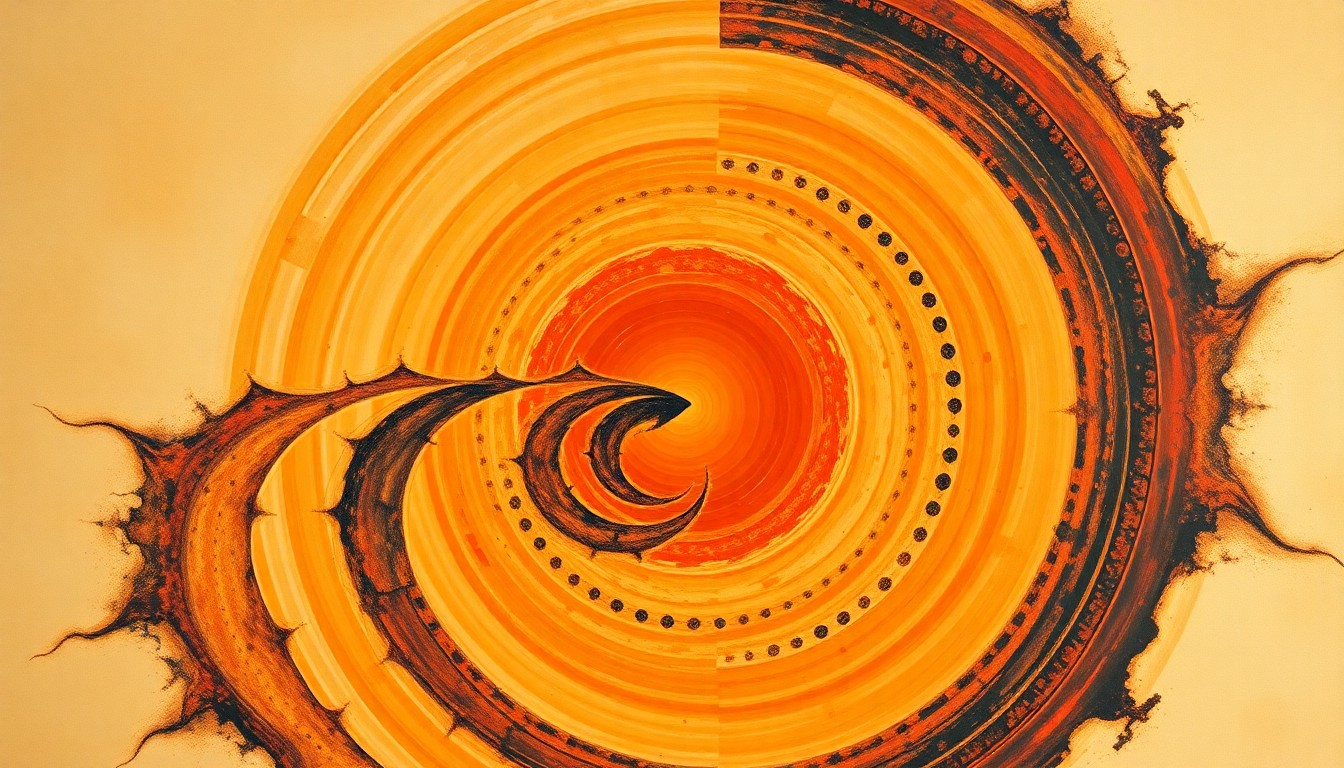 A powerful solar flare and coronal mass ejection from the sun could impact communications and operations for NASA's upcoming Artemis 2 moon mission.NYC Today
A powerful X1.4 solar flare erupted from the sun in the early hours of March 30, 2026, triggering widespread degradation of high-frequency radio signals across the sunlit side of Earth and raising potential concerns for NASA's upcoming Artemis 2 moon mission. The flare also launched a coronal mass ejection that could have an Earth-directed component, potentially leading to geomagnetic storm conditions and increased auroras.
Why it matters
Solar activity can have significant impacts on communications, satellite operations, and mission planning, especially for high-profile space events like the Artemis 2 launch. This flare highlights the need for close monitoring of the sun's behavior as NASA prepares for its first crewed mission to the moon since 1972.
The details
The solar flare peaked at 11:19 p.m. EDT (0319 GMT) on March 30, originating from active region 4405, a magnetically complex sunspot group now rotating into Earth's view. The eruption caused widespread degradation of high-frequency radio signals across the sunlit side of the planet, affecting regions like southeast Asia and Australia. The flare also launched a coronal mass ejection (CME) with a possible Earth-directed component.
- The solar flare peaked at 11:19 p.m. EDT (0319 GMT) on March 30, 2026.
- NASA is preparing to launch Artemis 2, its first astronaut mission to the moon since 1972, with liftoff set for no earlier than April 1, 2026 at 6:24 p.m. EDT (2224 GMT).
- NOAA's Space Weather Prediction Center has issued a moderate (G2) geomagnetic storm watch for March 31, 2026, with minor (G1) storm conditions possible on March 30 and April 1.
The players
Tamitha Skov
A solar physicist who commented on the potential impacts of the solar activity on the Artemis 2 launch preparations.
NOAA's Space Weather Prediction Center
The organization that issued the geomagnetic storm watch related to the coronal mass ejection from the solar flare.
What they’re saying
“NASA is paying attention regarding the upcoming Artemis 2 launch. We need to pay attention to radio bursts now. Those can really impact HF/VHF as well as satellite radio communications during critical launch operations and early orbit maneuvers!”
— Tamitha Skov, Solar physicist
What’s next
NASA officials will closely monitor the sun's activity in the coming days to ensure the Artemis 2 launch can proceed safely, and aurora chasers will be on the lookout for potential geomagnetic storm conditions that could lead to increased auroral displays.
The takeaway
This powerful solar flare and associated coronal mass ejection highlight the importance of closely tracking space weather conditions as NASA prepares for its historic Artemis 2 mission to send astronauts back to the moon. Maintaining reliable communications and monitoring potential radiation risks will be critical for the mission's success.
New York top stories



New York events

Mar. 30, 2026
Vince Giordano and the Nighthawks
Mar. 30, 2026
Cory Branan
Mar. 30, 2026
CATS: The Jellicle Ball