- Today
- Holidays
- Birthdays
- Reminders
- Cities
- Atlanta
- Austin
- Baltimore
- Berwyn
- Beverly Hills
- Birmingham
- Boston
- Brooklyn
- Buffalo
- Charlotte
- Chicago
- Cincinnati
- Cleveland
- Columbus
- Dallas
- Denver
- Detroit
- Fort Worth
- Houston
- Indianapolis
- Knoxville
- Las Vegas
- Los Angeles
- Louisville
- Madison
- Memphis
- Miami
- Milwaukee
- Minneapolis
- Nashville
- New Orleans
- New York
- Omaha
- Orlando
- Philadelphia
- Phoenix
- Pittsburgh
- Portland
- Raleigh
- Richmond
- Rutherford
- Sacramento
- Salt Lake City
- San Antonio
- San Diego
- San Francisco
- San Jose
- Seattle
- Tampa
- Tucson
- Washington
New York Times Accuses Pentagon of Defying Court Order on Press Access
The newspaper says the Defense Department has implemented a revised policy that circumvents a judge's ruling blocking credential restrictions.
Mar. 30, 2026 at 6:52pm
Got story updates? Submit your updates here. ›
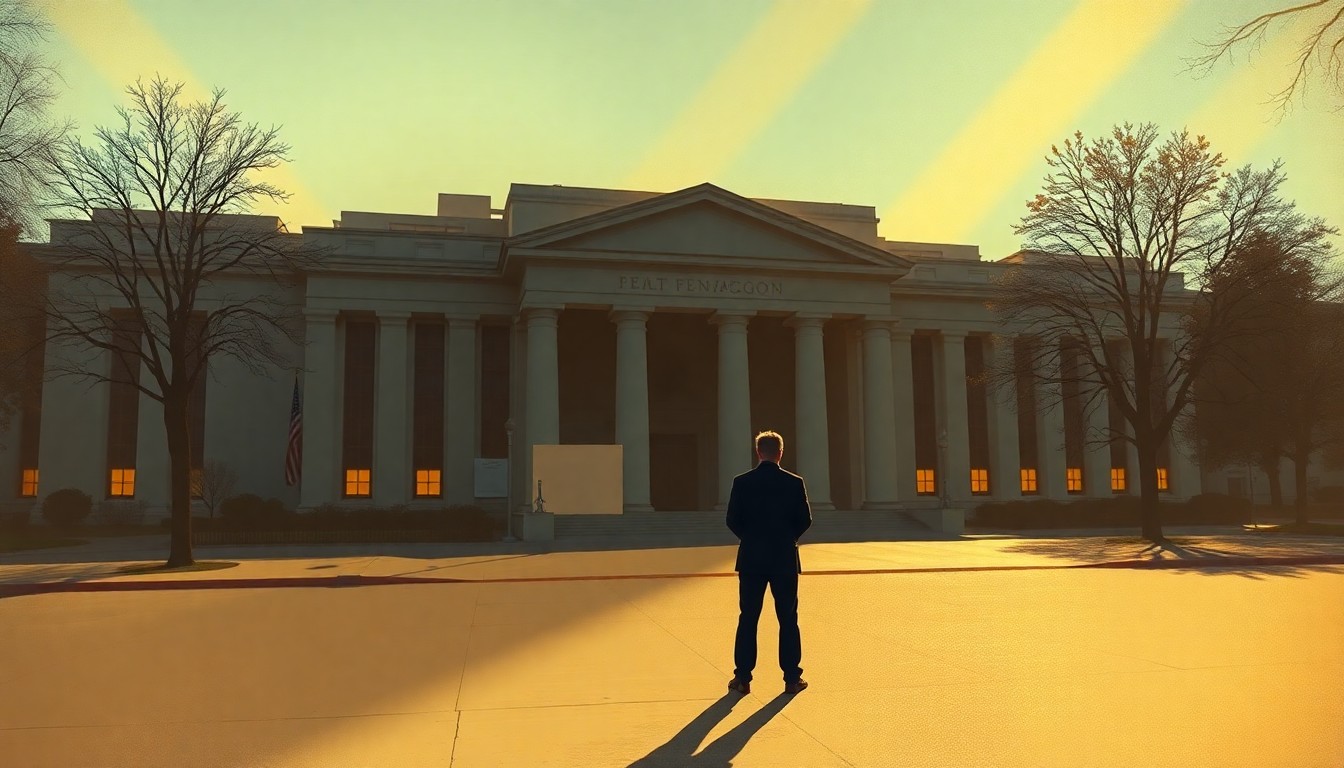 The Pentagon's new restrictions on media access raise concerns about transparency and the public's right to information about government activities.NYC Today
The New York Times has accused the Pentagon of flouting a federal judge's order that blocked the Defense Department from enforcing a policy limiting press access to its headquarters. The Times says the Pentagon has implemented a revised policy that imposes new restrictions on journalists, despite the court ruling that the previous policy violated constitutional rights.
Why it matters
This case highlights ongoing tensions between the media and the military over access and transparency, with implications for the public's ability to stay informed about government activities. The judge's initial ruling underscored the importance of press freedom, especially during times of heightened military operations.
The details
The Times told a federal judge that Pentagon officials have implemented a revised press policy that circumvents the judge's March 20 ruling, which sided with the newspaper and ordered the reinstatement of press credentials for seven Times reporters. The government argues the new policy complies with the judge's order, but the Times says it imposes "radical new restrictions" on journalists, including requiring them to have an escort to enter the Pentagon and submit requests a day in advance to attend events.
- On March 20, 2026, a federal judge ruled in favor of the New York Times, blocking the Pentagon's policy limiting press access.
- On March 28, 2026, the Times told the judge that the Pentagon has implemented a revised policy that the newspaper says violates the court's order.
The players
New York Times
A major American newspaper that sued the Pentagon over its policy limiting press access to the Defense Department headquarters.
U.S. District Judge Paul Friedman
The federal judge who ruled in favor of the New York Times in March 2026, blocking the Pentagon's policy limiting press access.
Sarah Welch
A government attorney who argued that the Defense Department's revised policy on media access to the Pentagon includes several "safe harbors" protecting reporters.
Theodore Boutrous
An attorney for the New York Times who said the Pentagon's revised policy imposes "radical new restrictions" on journalists.
Julian Barnes
A New York Times national security reporter who said Pentagon staff told him and his colleagues that their new credentials would give them access to a new press area located in the Pentagon library, but the only way to access the library is through a corridor or shuttle bus they didn't initially have permission to use.
What they’re saying
“They've only made things worse.”
— Theodore Boutrous, Attorney for the New York Times
“How weird is that? Is it Catch-22? Is it Kafka? What's going on here?”
— Judge Paul Friedman
What’s next
The judge is expected to rule on whether the Pentagon's revised press access policy complies with his previous order blocking the previous policy.
The takeaway
This case highlights the ongoing tension between the media and the military over access and transparency, with implications for the public's ability to stay informed about government activities. The judge's initial ruling underscored the importance of press freedom, especially during times of heightened military operations.
New York top stories



New York events

Apr. 5, 2026
The Banksy Museum New York!
Apr. 5, 2026
The Banksy Museum New York!
Apr. 5, 2026
The Banksy Museum New York!