- Today
- Holidays
- Birthdays
- Reminders
- Cities
- Atlanta
- Austin
- Baltimore
- Berwyn
- Beverly Hills
- Birmingham
- Boston
- Brooklyn
- Buffalo
- Charlotte
- Chicago
- Cincinnati
- Cleveland
- Columbus
- Dallas
- Denver
- Detroit
- Fort Worth
- Houston
- Indianapolis
- Knoxville
- Las Vegas
- Los Angeles
- Louisville
- Madison
- Memphis
- Miami
- Milwaukee
- Minneapolis
- Nashville
- New Orleans
- New York
- Omaha
- Orlando
- Philadelphia
- Phoenix
- Pittsburgh
- Portland
- Raleigh
- Richmond
- Rutherford
- Sacramento
- Salt Lake City
- San Antonio
- San Diego
- San Francisco
- San Jose
- Seattle
- Tampa
- Tucson
- Washington
TAU Theatre Revives 100-Year-Old Yiddish Comedy "The Dybbuk"
Researchers uncover forgotten Yiddish plays to shed light on Jewish history and culture.
Mar. 26, 2026 at 1:08am
Got story updates? Submit your updates here. ›
At Tel Aviv University's theatre department, students recently performed a production of the Yiddish play "The Dybbuk", which was a comedic version of the famous tragic play of the same name. This production is part of a larger project led by Dr. Ruthie Abeliovich to restore and revive forgotten Yiddish performance pieces from the turn of the 20th century. The researchers have digitized hundreds of pages of handwritten performance notes, created a database of scripts for public use, and mounted an innovative Hebrew-language performance of "The Dybbuk" to bring these once-popular plays back to life and offer insights into the values, challenges, and attitudes of the Jewish community at the time.
Why it matters
Many popular Yiddish plays from the early 20th century were dismissed by intellectuals as "trash" and effectively erased from the cultural canon, despite their broad appeal and influence. Reviving these forgotten works provides a window into the mainstream mentalities and communal issues of the pre-Holocaust Jewish world, as well as revealing how some of the same themes and discussions are still relevant in the Jewish community today.
The details
The comedy "The Dybbuk: in the Clutches of Fanaticism" by playwright Joseph Latainer follows a young Jewish woman named Amelia who is in love with her French Jewish teacher, Leon, but her religious grandmother has promised her to the local rabbi in exchange for his blessings. With the help of Leon's servant, the couple tries to elope but is apprehended by the rabbi and his followers. In the end, the rabbi is exposed as a fraud and Amelia and Leon are able to get married. The TAU production aimed to incorporate Yiddish as a living language and culture through the set design, costumes, music, script adaptation, and direction.
- The Dybbuk play was originally written and performed in the early 20th century.
- The TAU production of The Dybbuk took place in 2026.
The players
Dr. Ruthie Abeliovich
A researcher at Tel Aviv University's Katz Faculty of Arts who is leading an international team of Yiddishists in a project to resurrect forgotten Yiddish dramas from the early 20th century.
Joseph Latainer
The playwright who wrote the comedic version of "The Dybbuk" that became popular in the Yiddish theatre world in the early 20th century.
Amelia
The young Jewish woman at the center of the comedic play "The Dybbuk: in the Clutches of Fanaticism" who is in love with her French Jewish teacher but is promised to the local rabbi by her grandmother.
Leon
Amelia's French Jewish teacher who she is in love with and tries to elope with in the play "The Dybbuk: in the Clutches of Fanaticism".
Falik
The servant of Leon who assists Amelia and Leon in their attempt to elope in the play "The Dybbuk: in the Clutches of Fanaticism".
What they’re saying
“Studying these forgotten plays from the flourishing turn-of-the-century Yiddish theatre scene offers insight into the values, challenges and attitudes of the Jewish community at the time--and today.”
— Dr. Ruthie Abeliovich, Researcher, Tel Aviv University
What’s next
The researchers plan to continue growing the database of digitized Yiddish plays, music, historical insights, and other aspects of Yiddish art to make these once-beloved works publicly available so they can live again.
The takeaway
By reviving these forgotten Yiddish performance pieces, the researchers are shedding light on the rich cultural history and ongoing communal discussions within the Jewish community, proving that the values, challenges, and attitudes reflected in these 100-year-old plays still resonate today.
New York top stories



New York events
Mar. 26, 2026
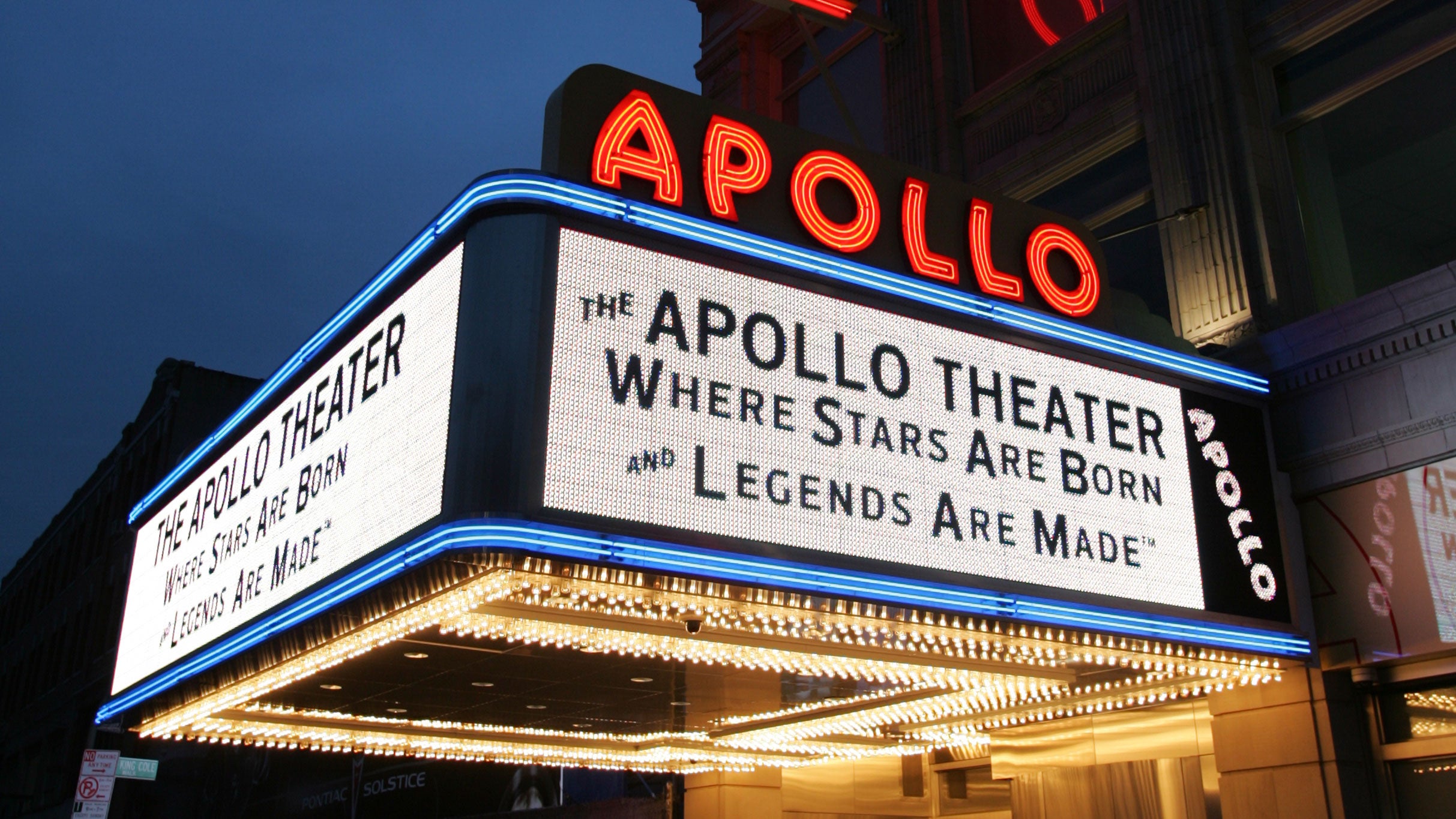
Apollo Film Presents: Melanin Madness
Mar. 26, 2026
The Banksy Museum New York!
Mar. 26, 2026
The Banksy Museum New York!