- Today
- Holidays
- Birthdays
- Reminders
- Cities
- Atlanta
- Austin
- Baltimore
- Berwyn
- Beverly Hills
- Birmingham
- Boston
- Brooklyn
- Buffalo
- Charlotte
- Chicago
- Cincinnati
- Cleveland
- Columbus
- Dallas
- Denver
- Detroit
- Fort Worth
- Houston
- Indianapolis
- Knoxville
- Las Vegas
- Los Angeles
- Louisville
- Madison
- Memphis
- Miami
- Milwaukee
- Minneapolis
- Nashville
- New Orleans
- New York
- Omaha
- Orlando
- Philadelphia
- Phoenix
- Pittsburgh
- Portland
- Raleigh
- Richmond
- Rutherford
- Sacramento
- Salt Lake City
- San Antonio
- San Diego
- San Francisco
- San Jose
- Seattle
- Tampa
- Tucson
- Washington
Strong Evidence Shows Shingles Vaccine May Lower Dementia Risk
New research suggests the Shingrix vaccine could provide protection against dementia, stroke, and heart attack.
Mar. 18, 2026 at 2:20am
Got story updates? Submit your updates here. ›
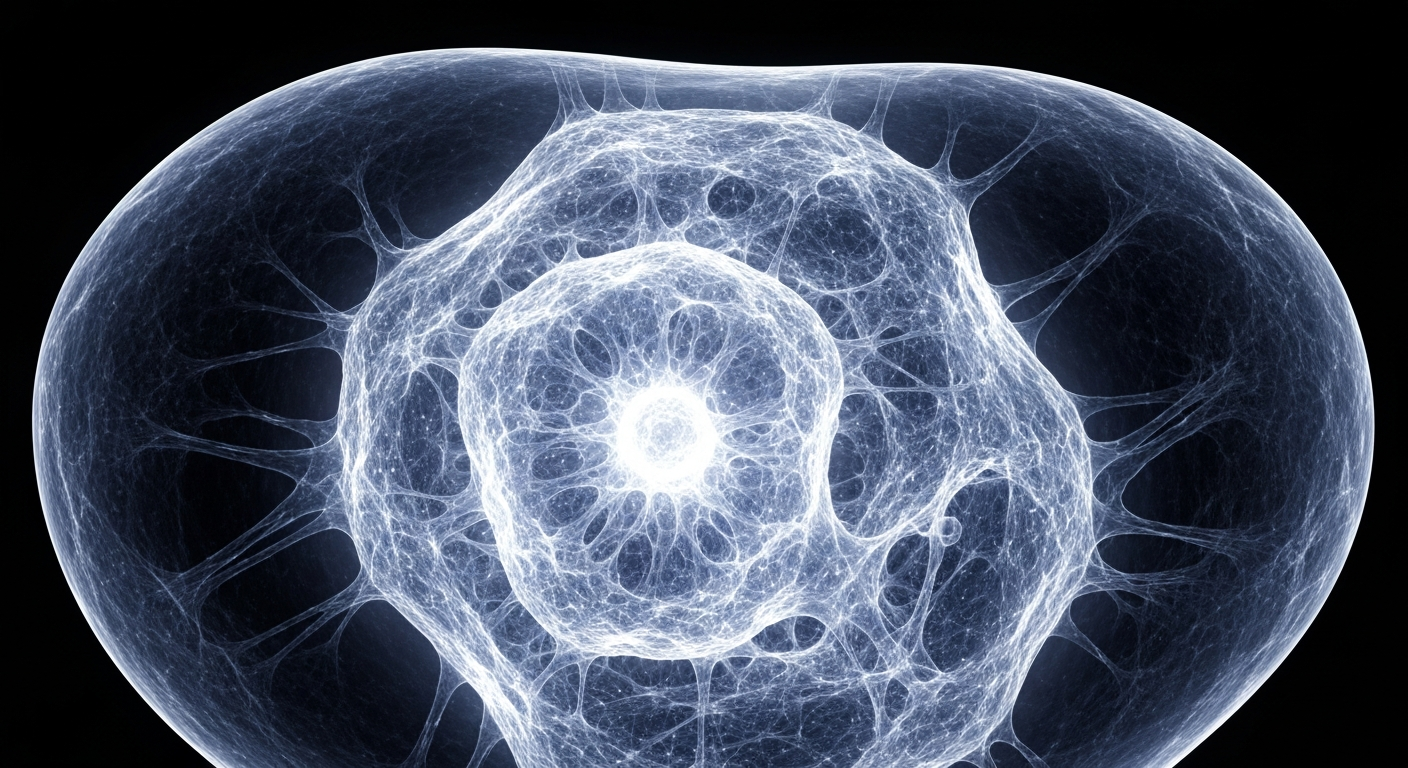
A recent study found a 51% reduction in dementia risk among individuals vaccinated with the Shingrix shingles vaccine, even after accounting for other factors. Experts believe the vaccine's immune-boosting effects may offer broader protection against neurological diseases. While more research is needed, the potential benefits extend beyond just preventing the painful shingles rash, including potential cardiovascular health benefits.
Why it matters
Shingles affects one in three Americans, yet vaccination rates remain low. This new research highlights the significant potential of the shingles vaccine to not only prevent the immediate symptoms of shingles, but also reduce the risk of serious long-term health consequences like dementia, stroke, and heart attack. Understanding these added benefits could motivate more people to get vaccinated.
The details
The 2026 study, led by Dr. Emily Rayens at Kaiser Permanente Southern California, found a 51% reduction in dementia risk among those who received the Shingrix vaccine. Experts believe this protective effect may stem from the vaccine's ability to reduce chronic immune system stress and neuroinflammation caused by the varicella-zoster virus. Additionally, a 2025 review of 19 studies indicated that shingles vaccination was associated with a lower risk of both stroke and heart attack.
- The 2026 study on the link between the Shingrix vaccine and reduced dementia risk was published in March 2026.
- The 2025 review on the cardiovascular benefits of the shingles vaccine was published the previous year.
The players
Dr. Emily Rayens
The lead researcher on the 2026 study that found a 51% reduction in dementia risk among those who received the Shingrix vaccine.
Dr. Pascal Geldsetzer
A researcher at Stanford University who is currently fundraising for a clinical trial to establish a definitive cause-and-effect relationship between the shingles vaccine and dementia prevention.
Dr. Andrew Wallach
The ambulatory care chief medical officer at NYC Health + Hospitals, who acknowledges 'vaccine fatigue' as a contributing factor to vaccine hesitancy.
What they’re saying
“We potentially have a very inexpensive, readily scalable, readily available intervention that could have large effects for dementia prevention or potentially even treatment.”
— Dr. Pascal Geldsetzer, Researcher, Stanford University
“Vaccine fatigue is a contributing factor to vaccine hesitancy.”
— Dr. Andrew Wallach, Ambulatory Care Chief Medical Officer, NYC Health + Hospitals
What’s next
Dr. Pascal Geldsetzer of Stanford University is currently fundraising for a clinical trial to establish a definitive cause-and-effect relationship between the shingles vaccine and dementia prevention.
The takeaway
This research highlights the significant potential of the shingles vaccine to not only prevent the immediate symptoms of shingles, but also reduce the risk of serious long-term health consequences like dementia, stroke, and heart attack. Understanding these added benefits could motivate more people to get vaccinated and help address the persistently low vaccination rates.
New York top stories
New York events
Apr. 7, 2026
Hamilton
Apr. 7, 2026
The Banksy Museum New York!
Apr. 7, 2026
Robert Plant w/ Saving Grace