- Today
- Holidays
- Birthdays
- Reminders
- Cities
- Atlanta
- Austin
- Baltimore
- Berwyn
- Beverly Hills
- Birmingham
- Boston
- Brooklyn
- Buffalo
- Charlotte
- Chicago
- Cincinnati
- Cleveland
- Columbus
- Dallas
- Denver
- Detroit
- Fort Worth
- Houston
- Indianapolis
- Knoxville
- Las Vegas
- Los Angeles
- Louisville
- Madison
- Memphis
- Miami
- Milwaukee
- Minneapolis
- Nashville
- New Orleans
- New York
- Omaha
- Orlando
- Philadelphia
- Phoenix
- Pittsburgh
- Portland
- Raleigh
- Richmond
- Rutherford
- Sacramento
- Salt Lake City
- San Antonio
- San Diego
- San Francisco
- San Jose
- Seattle
- Tampa
- Tucson
- Washington
Trump Invokes DPA to Boost Glyphosate Production, Sparking Debate
The move aims to secure American farms, but critics argue it's a step backward on public health
Mar. 16, 2026 at 3:22am
Got story updates? Submit your updates here. ›
President Trump's recent executive order to boost domestic production of glyphosate and related inputs has pushed a national debate about farm policy, public health, and the future of American agriculture into the spotlight. The White House invoked the Defense Production Act to address supply chain and national security concerns, prioritizing ingredients used in herbicides. Critics argue this is a step backward on public health, but the order was sold as a practical, short-term fix to a real bottleneck.
Why it matters
This case highlights the ongoing tensions between agricultural productivity, public health concerns, and environmental stewardship. The debate over glyphosate production touches on broader questions about the sustainability of modern farming practices and the role of government in shaping the future of the food system.
The details
The Make America Healthy Again movement, which is pressing for a chemical-free food system, has reacted strongly to the order and used the moment to accelerate its message. Leaders within MAHA say the move exposes how dependent modern agriculture is on synthetics and strengthens their call to shift toward soil-focused, regenerative practices. Farmers switching to these methods report real, measurable benefits that appeal to independent, results-oriented conservatives.
- President Trump issued the executive order in March 2026.
The players
President Trump
The current President of the United States who issued the executive order to boost domestic production of glyphosate and related inputs.
Make America Healthy Again (MAHA)
A movement pressing for a chemical-free food system that has reacted strongly to the executive order and used the moment to accelerate its message.
Robert F. Kennedy Jr.
A prominent voice warning about glyphosate's links to serious health concerns and who is now part of the administration's circle.
Derek Perry
A farmer who has switched to regenerative methods and reports improved water retention and herd health after adopting these techniques.
Zen Honeycutt
An activist who warns of residues in common foods and pushes for glyphosate-free options in schools, arguing children's health is non-negotiable.
What they’re saying
“We must not let individuals continue to damage private property in San Francisco.”
— Robert Jenkins, San Francisco resident
“Fifty years is such an accomplishment in San Francisco, especially with the way the city has changed over the years.”
— Gordon Edgar, grocery employee
What’s next
The debate will shape upcoming farm bills and regulatory conversations, and farmers are already experimenting and proving what works. Republican policymakers can support soil health, bolster rural economies, and defend supply chains by backing market incentives and voluntary conservation programs.
The takeaway
This case highlights the ongoing tensions between agricultural productivity, public health concerns, and environmental stewardship. The debate over glyphosate production touches on broader questions about the sustainability of modern farming practices and the role of government in shaping the future of the food system.
New York top stories



New York events
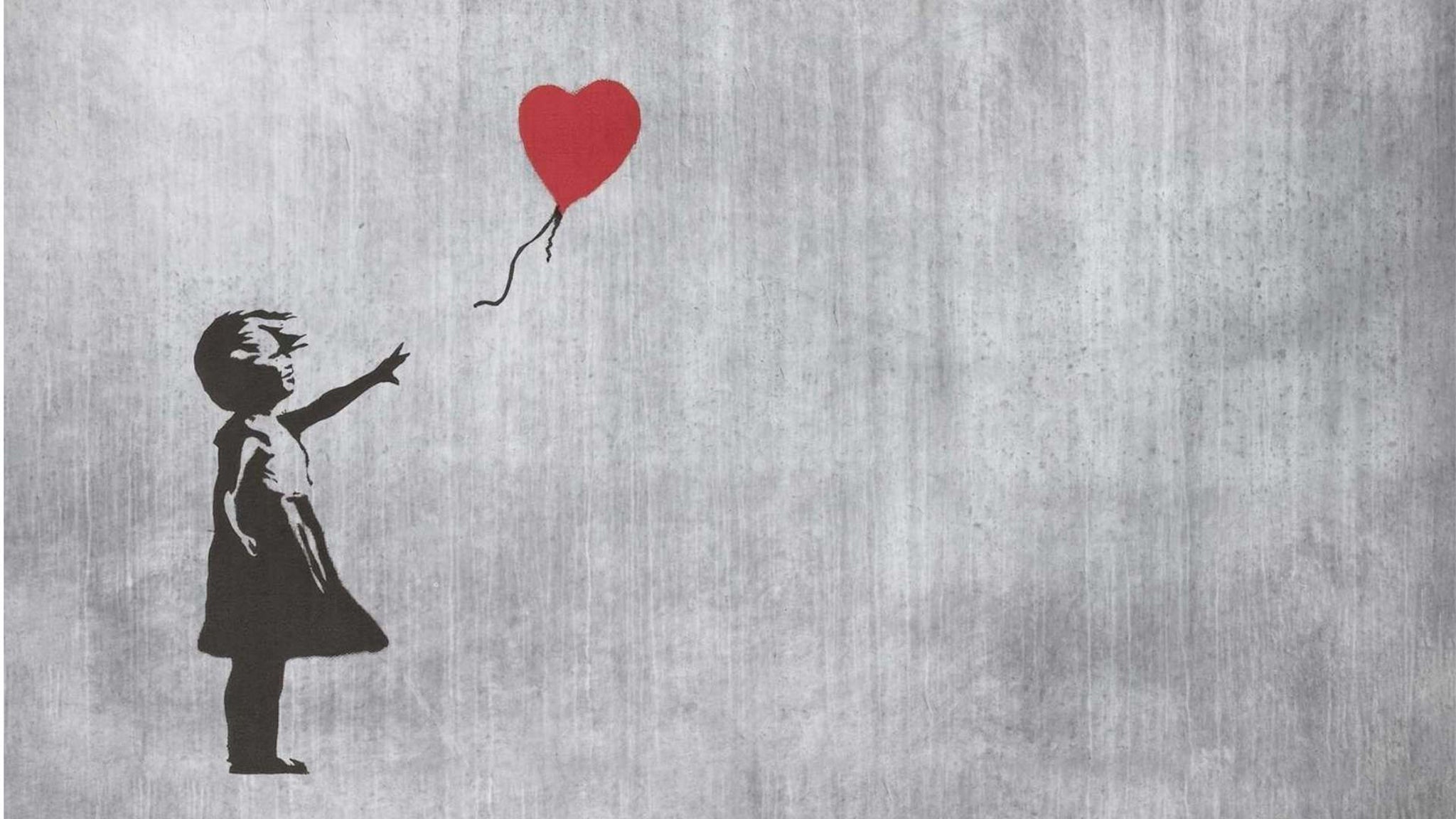
Apr. 5, 2026
The Banksy Museum New York!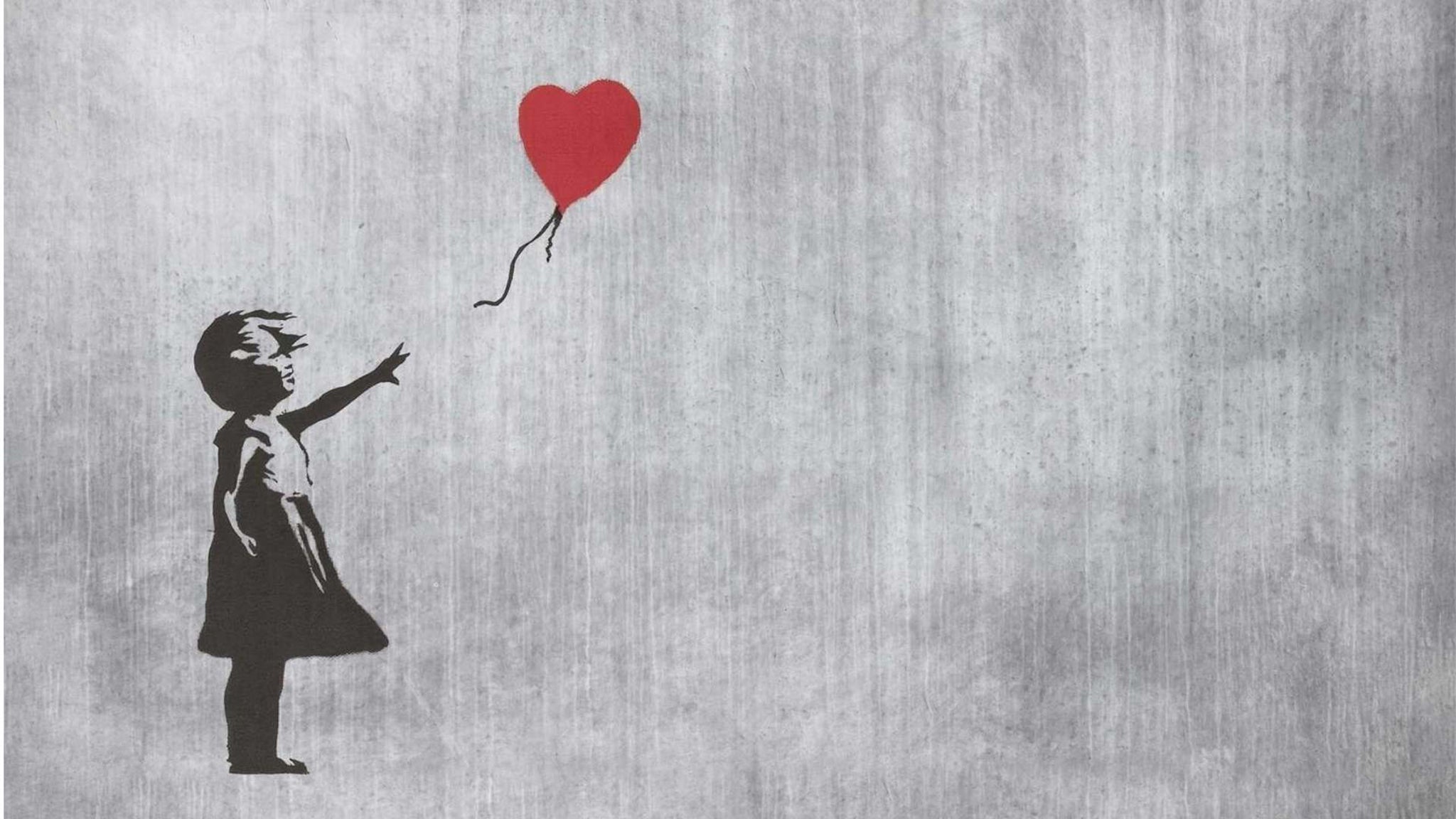
Apr. 5, 2026
The Banksy Museum New York!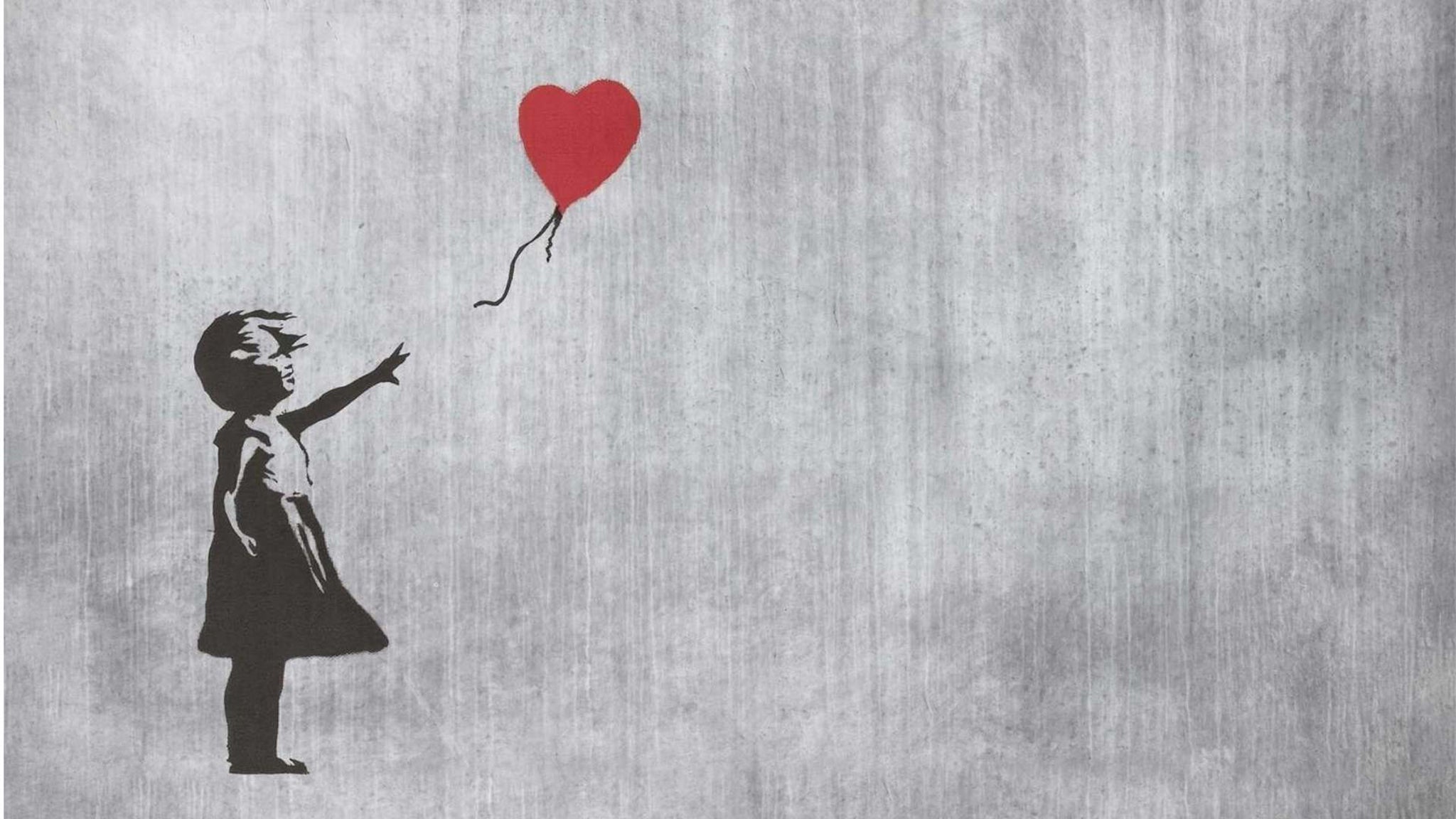
Apr. 5, 2026
The Banksy Museum New York!