- Today
- Holidays
- Birthdays
- Reminders
- Cities
- Atlanta
- Austin
- Baltimore
- Berwyn
- Beverly Hills
- Birmingham
- Boston
- Brooklyn
- Buffalo
- Charlotte
- Chicago
- Cincinnati
- Cleveland
- Columbus
- Dallas
- Denver
- Detroit
- Fort Worth
- Houston
- Indianapolis
- Knoxville
- Las Vegas
- Los Angeles
- Louisville
- Madison
- Memphis
- Miami
- Milwaukee
- Minneapolis
- Nashville
- New Orleans
- New York
- Omaha
- Orlando
- Philadelphia
- Phoenix
- Pittsburgh
- Portland
- Raleigh
- Richmond
- Rutherford
- Sacramento
- Salt Lake City
- San Antonio
- San Diego
- San Francisco
- San Jose
- Seattle
- Tampa
- Tucson
- Washington
Unilever CEO Declares Traditional Advertising 'Dead': A Marketing Misstep?
Unilever's shift to a 'social-first demand model' raises questions about the future of mass-reach advertising.
Published on Feb. 25, 2026
Got story updates? Submit your updates here. ›
Unilever CEO Fernando Fernandez has sent shockwaves through the marketing world by declaring the era of 'big corporate big brand messages' over. Fernandez outlined a shift to a 'social-first demand model,' prioritizing creators and influencers over traditional advertising channels. However, this move has raised eyebrows, with experts arguing that abandoning mass-reach advertising entirely could be a flawed strategy.
Why it matters
Unilever's decision reflects the growing influence of the creator economy, but it also contradicts the company's recent investments in mass-reach advertising, such as a sponsorship of the 2026 FIFA World Cup. Experts argue that a complete shift away from traditional advertising could be detrimental, as it may limit the company's ability to reach new customers and drive brand growth.
The details
Unilever plans to dramatically increase its investment in creators and influencers, moving 50% of its media budget to this channel – a significant jump from 30%. This represents a substantial financial commitment, with approximately $4 billion still allocated to traditional advertising channels, even with the shift. However, Fernandez's declaration has raised eyebrows, particularly given Unilever's recent spending, which included a $9 billion investment in brand and marketing in 2025.
- Unilever CEO Fernando Fernandez made the announcement at the Consumer Analyst Group of New York (CAGNY) conference in February 2026.
- Unilever invested 16% of its revenue – roughly $9 billion – in brand and marketing in 2025, including a sponsorship of the 2026 FIFA World Cup.
The players
Fernando Fernandez
The CEO of Unilever, a $60 billion global consumer goods company.
Leandro Barreto
The Chief Marketing Officer of Unilever, who is known to be an advocate for the principles of mass reach and penetration.
Ehrenberg-Bass Institute
A research institute that studies marketing effectiveness, emphasizing the importance of mass reach and penetration.
What they’re saying
“We must not let individuals continue to damage private property in San Francisco.”
— Robert Jenkins, San Francisco resident (San Francisco Chronicle)
“Fifty years is such an accomplishment in San Francisco, especially with the way the city has changed over the years.”
— Gordon Edgar, grocery employee (Instagram)
What’s next
The judge in the case will decide on Tuesday whether or not to allow Walker Reed Quinn out on bail.
The takeaway
This case highlights growing concerns in the community about repeat offenders released on bail, raising questions about bail reform, public safety on SF streets, and if any special laws to govern autonomous vehicles in residential and commercial areas.
New York top stories


New York events

Mar. 9, 2026
Banksy Museum - Flexiticket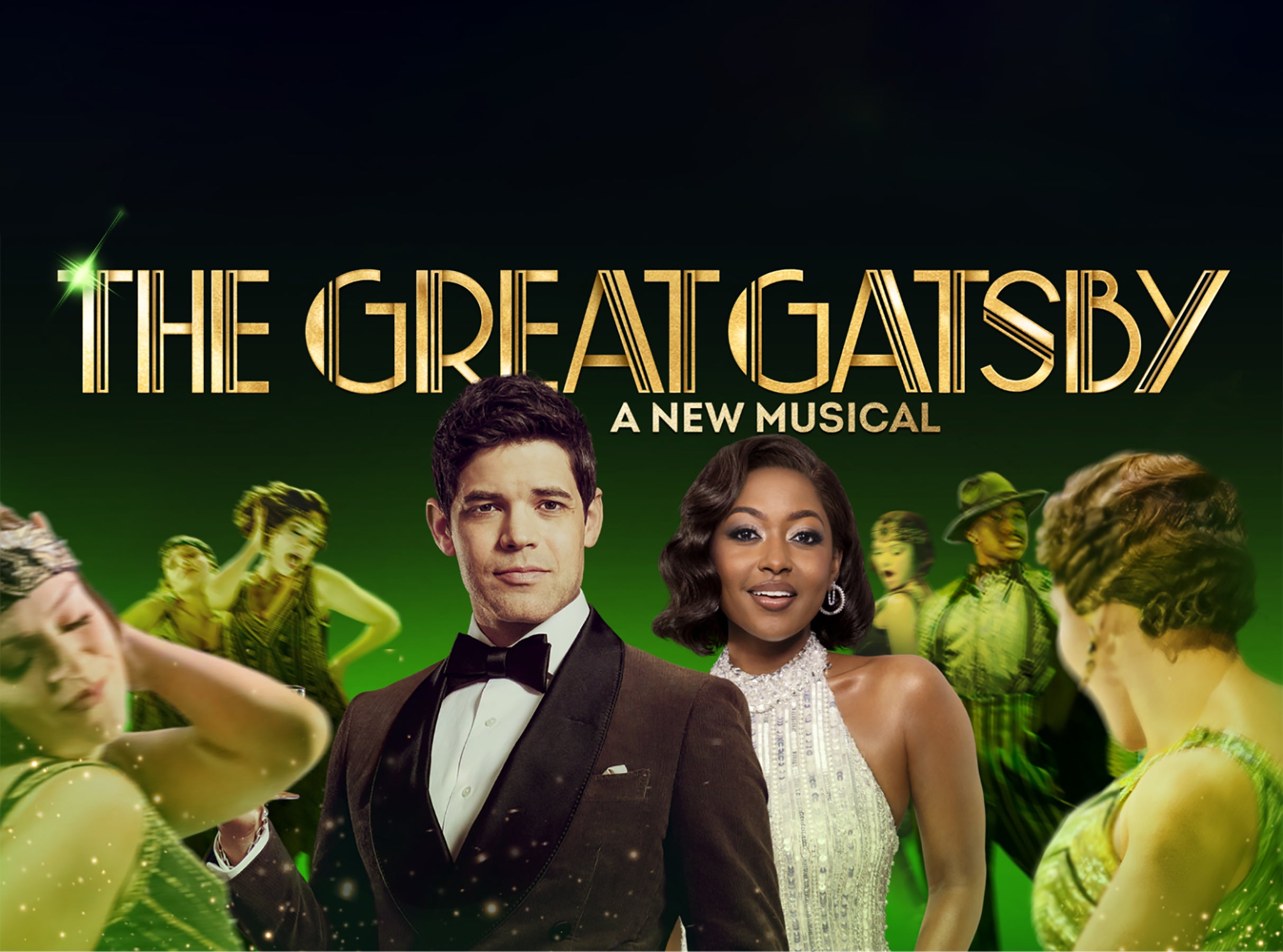
Mar. 9, 2026
The Great Gatsby
Mar. 9, 2026
The Play That Goes Wrong