- Today
- Holidays
- Birthdays
- Reminders
- Cities
- Atlanta
- Austin
- Baltimore
- Berwyn
- Beverly Hills
- Birmingham
- Boston
- Brooklyn
- Buffalo
- Charlotte
- Chicago
- Cincinnati
- Cleveland
- Columbus
- Dallas
- Denver
- Detroit
- Fort Worth
- Houston
- Indianapolis
- Knoxville
- Las Vegas
- Los Angeles
- Louisville
- Madison
- Memphis
- Miami
- Milwaukee
- Minneapolis
- Nashville
- New Orleans
- New York
- Omaha
- Orlando
- Philadelphia
- Phoenix
- Pittsburgh
- Portland
- Raleigh
- Richmond
- Rutherford
- Sacramento
- Salt Lake City
- San Antonio
- San Diego
- San Francisco
- San Jose
- Seattle
- Tampa
- Tucson
- Washington
EPA to Reform Biden's $5B Electric School Bus Program
Agency to provide more fuel alternatives beyond just electric vehicles
Published on Feb. 25, 2026
Got story updates? Submit your updates here. ›
The Environmental Protection Agency is seeking to reform the $5 billion Clean School Bus Program by providing an array of fuel alternatives, including biofuels, compressed natural gas, liquified natural gas, and hydrogen, through new grants with leftover cash. The program, which was passed under former President Biden in 2021, had faced issues with potential fraud, waste, and abuse, as well as manufacturing problems that led to high costs per electric bus produced.
Why it matters
The Clean School Bus Program was intended to replace thousands of gas-guzzling school buses with zero-emission vehicles, but the program has faced significant challenges. The EPA's reforms aim to make the program more effective and reliable by expanding the fuel options beyond just electric buses.
The details
The EPA will begin a public comment period through a Request for Information (RFI) to get feedback from school officials, fleet operators, manufacturers and producers on the range of alternative fuel sources that could power school buses nationwide. While the original 2021 law permitted rebates for fuel alternatives in addition to all-electric vehicles, around 90% of the funding went toward electric buses. The program has faced issues, including potential fraud, waste and abuse, as well as high costs per electric bus produced due to manufacturing problems.
- The RFI public comment period will run for 45 days before the process of rolling out new rebates begins.
- The EPA will dole out billions of dollars in grants for school bus fleets starting in 2026.
The players
EPA
The Environmental Protection Agency, which is seeking to reform the Clean School Bus Program.
Lee Zeldin
The EPA Administrator, who stated that the program will be made "safe, effective, and use reliable forms of American energy" moving forward.
Joe Biden
The former President who authorized the funding for the Clean School Bus Program in 2021.
Lion Electric
A manufacturer that went bankrupt in 2024 after taking $160 million in taxpayer dollars from the program.
What they’re saying
“Today, EPA takes the next step to set the program straight. Americans can rest assured that moving forward, the program will be safe, effective, and use reliable forms of American energy.”
— Lee Zeldin, EPA Administrator (The Post)
“As was the case with so many of the Biden-era programs, the Clean School Bus program has been a disaster of poor management and wasteful spending of taxpayer dollars. At the Trump EPA, we have zero tolerance for reckless spending.”
— Lee Zeldin, EPA Administrator (The Post)
What’s next
The EPA will begin a 45-day public comment period through a Request for Information (RFI) to get feedback on alternative fuel sources for school buses, before rolling out new rebates.
The takeaway
The EPA's reforms to the Clean School Bus Program aim to make it more effective and reliable by expanding the fuel options beyond just electric buses, after the program faced significant challenges with potential fraud, waste, and high costs per vehicle.
New York top stories


New York events

Feb. 25, 2026
The Lion King (New York, NY)
Feb. 25, 2026
Banksy Museum - Flexiticket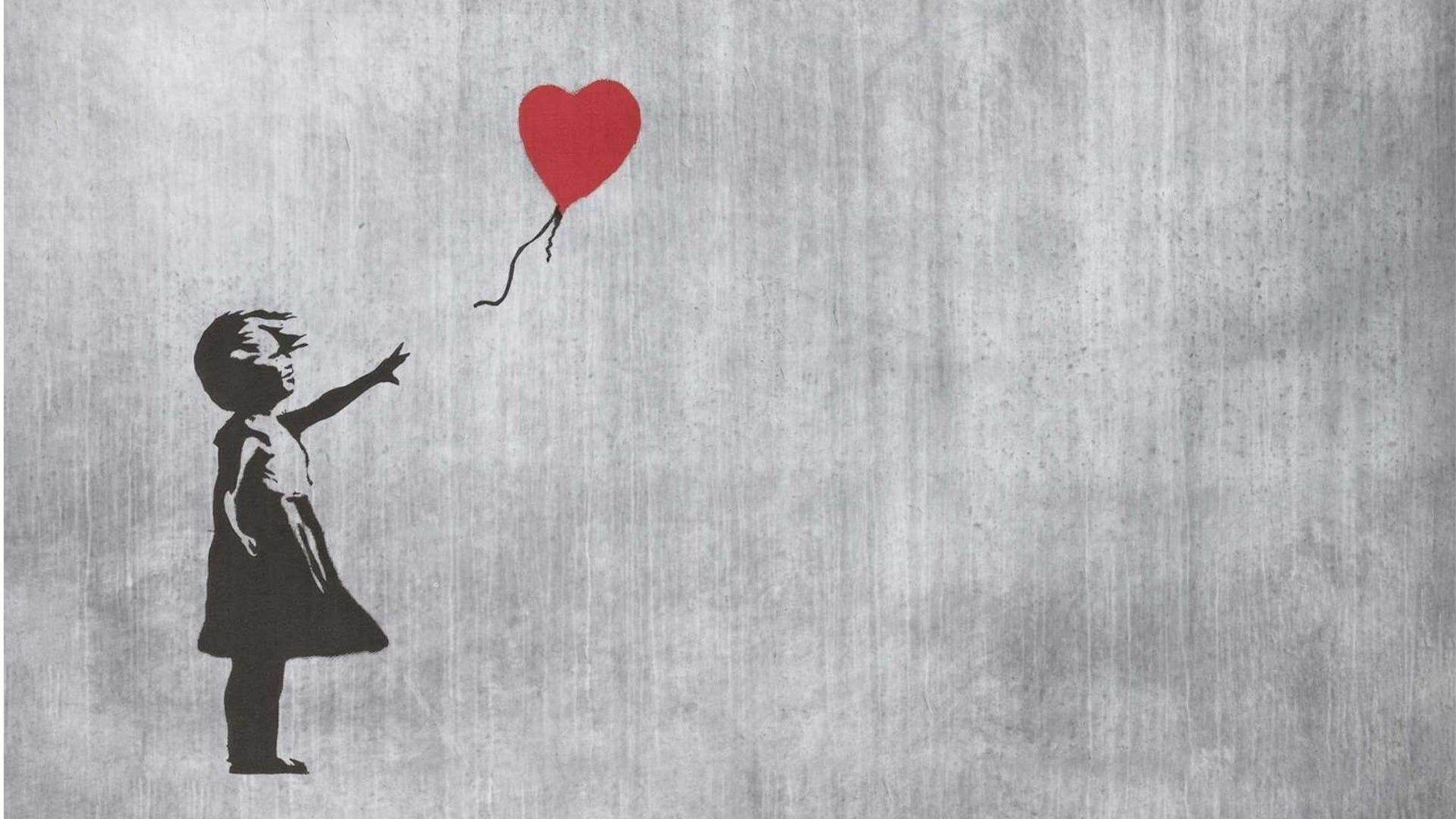
Feb. 25, 2026
The Banksy Museum New York!