- Today
- Holidays
- Birthdays
- Reminders
- Cities
- Atlanta
- Austin
- Baltimore
- Berwyn
- Beverly Hills
- Birmingham
- Boston
- Brooklyn
- Buffalo
- Charlotte
- Chicago
- Cincinnati
- Cleveland
- Columbus
- Dallas
- Denver
- Detroit
- Fort Worth
- Houston
- Indianapolis
- Knoxville
- Las Vegas
- Los Angeles
- Louisville
- Madison
- Memphis
- Miami
- Milwaukee
- Minneapolis
- Nashville
- New Orleans
- New York
- Omaha
- Orlando
- Philadelphia
- Phoenix
- Pittsburgh
- Portland
- Raleigh
- Richmond
- Rutherford
- Sacramento
- Salt Lake City
- San Antonio
- San Diego
- San Francisco
- San Jose
- Seattle
- Tampa
- Tucson
- Washington
Willie Colón, architect of urban salsa music, dies at 75
The Grammy-nominated trombonist, composer, arranger and singer was a key creator of urban salsa and a longtime social activist.
Published on Feb. 22, 2026
Got story updates? Submit your updates here. ›
Willie Colón, the Grammy-nominated architect of urban salsa music and social activist, died Saturday at the age of 75. Over his decades-long career, Colón produced more than 40 albums that sold over 30 million copies worldwide, collaborating with a wide range of artists including the Fania All Stars, David Byrne, and Celia Cruz. His celebrated collaboration with Rubén Blades, 'Siembra,' became one of the bestselling salsa albums of all time, and the pair were known for addressing social issues through the genre.
Why it matters
Colón was a pioneering figure in the development of urban salsa music, expanding the genre and using it as a platform to address social and political issues. His passing marks the end of an era for this influential musical style and its role in Latin American and Caribbean culture.
The details
Born in New York's Bronx borough, Colón was raised on traditional Puerto Rican music and Latin American rhythms. He took up the trombone at age 11 and joined the Fania Records label at 17, helping to shape the new 'salsa' sound emerging in New York. Colón's music fused jazz, rock, funk, and soul with Cuban son, cha-cha-cha, mambo, and other Latin styles, creating a unique urban salsa sound. In addition to his musical career, Colón was a prominent social activist, fighting for civil rights and serving in advisory roles for New York City mayors.
- Colón died on Saturday, February 22, 2026.
- In 2004, the Latin Recording Academy awarded Colón a special Grammy for his career and contributions to music.
The players
Willie Colón
A Grammy-nominated trombonist, composer, arranger and singer who was a key creator of urban salsa music and a longtime social activist.
Rubén Blades
A collaborator of Colón's, known for addressing social issues through salsa music.
Jerry Masucci
The co-founder of Fania Records, the label that helped shape the new 'salsa' sound in New York.
Johnny Pacheco
The co-founder of Fania Records, the label that helped shape the new 'salsa' sound in New York.
David Dinkins
The first Black mayor of New York City, for whom Colón served as a special assistant.
What they’re saying
“Willie didn't just change salsa; he expanded it, politicized it, clothed it in urban chronicles, and took it to stages where it hadn't been heard before. His trombone was the voice of the people, an echo of the Caribbean in New York, a bridge between two cultures.”
— Pietro Carlos, Colón's manager
“I confirmed what I was reluctant to believe.”
— Rubén Blades (X)
The takeaway
Colón's passing marks the end of an era for urban salsa music, a genre he helped pioneer and shape through his innovative fusion of styles and his use of the music as a platform for social and political commentary. His legacy will continue to influence Latin music and culture for generations to come.
New York top stories



New York events
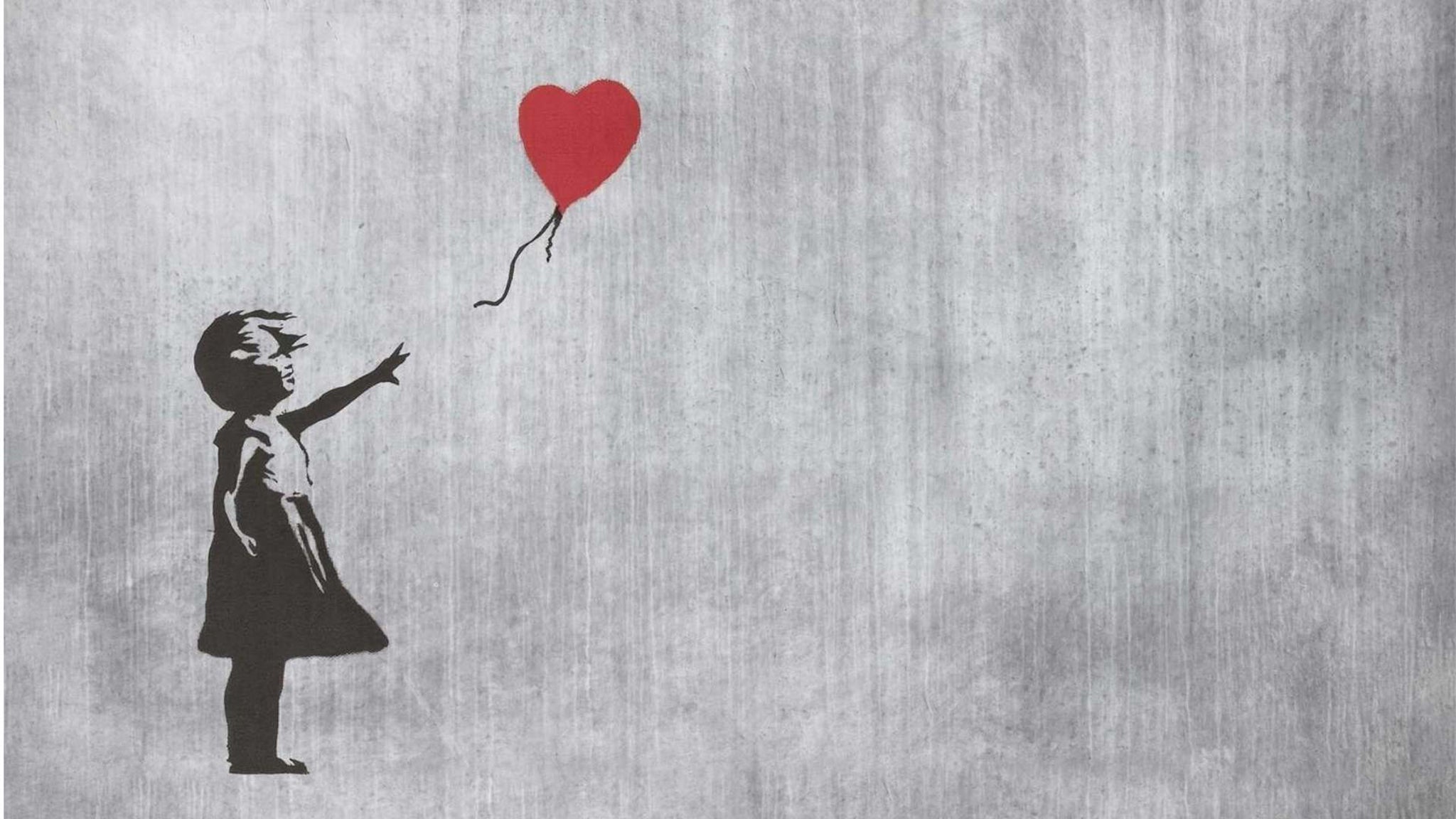
Mar. 9, 2026
Banksy Museum - Flexiticket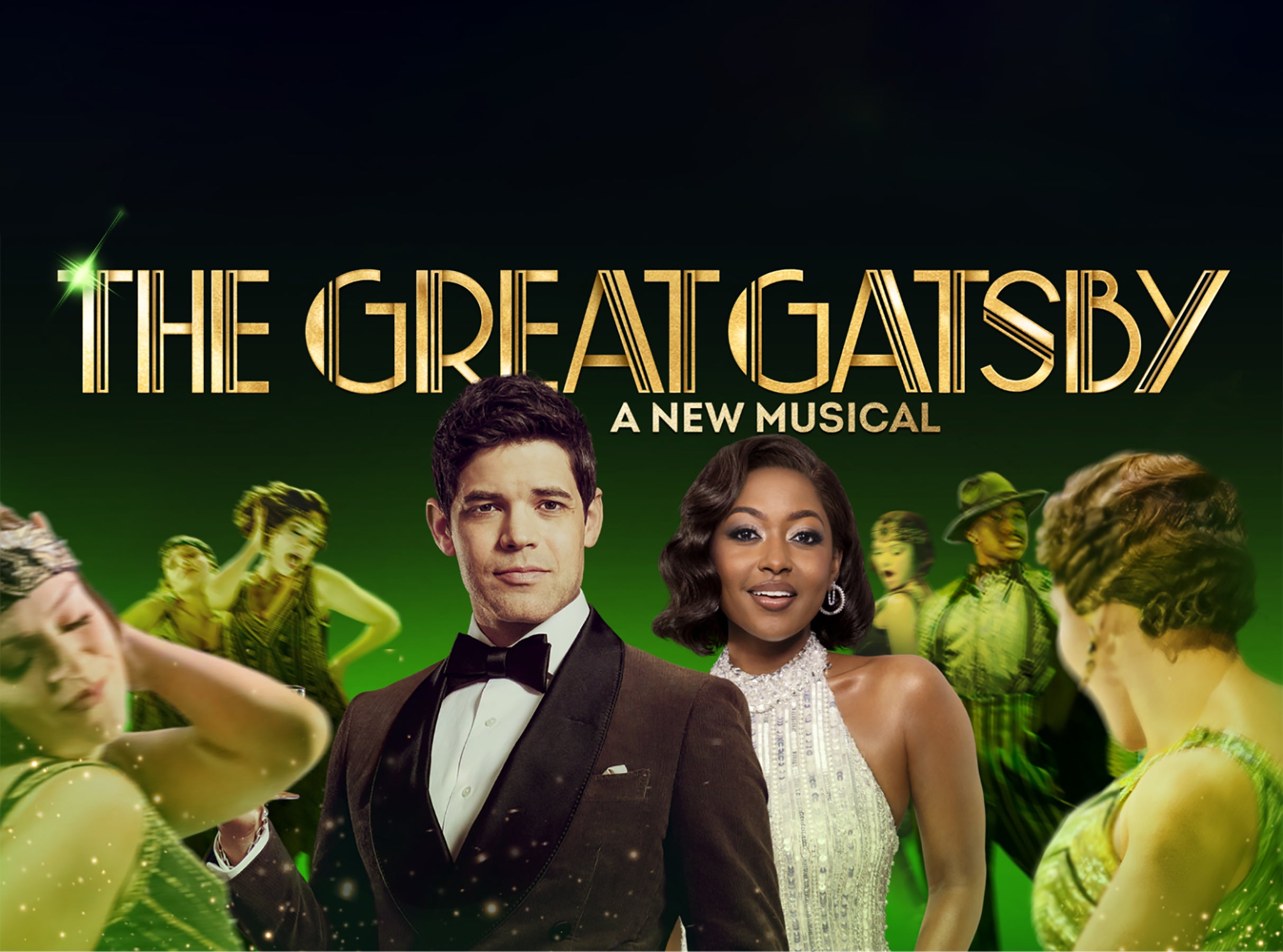
Mar. 9, 2026
The Great Gatsby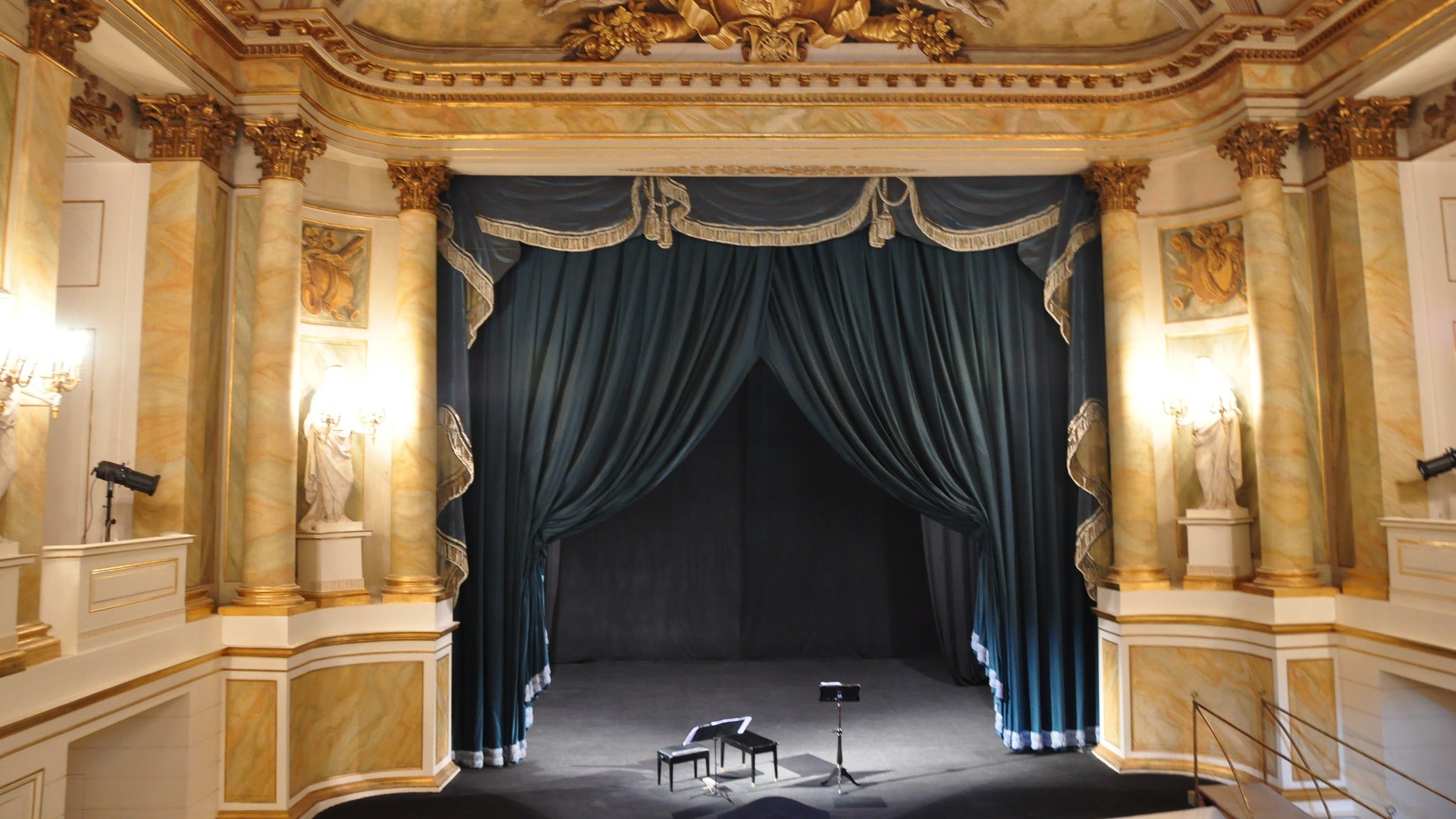
Mar. 9, 2026
The Play That Goes Wrong