- Today
- Holidays
- Birthdays
- Reminders
- Cities
- Atlanta
- Austin
- Baltimore
- Berwyn
- Beverly Hills
- Birmingham
- Boston
- Brooklyn
- Buffalo
- Charlotte
- Chicago
- Cincinnati
- Cleveland
- Columbus
- Dallas
- Denver
- Detroit
- Fort Worth
- Houston
- Indianapolis
- Knoxville
- Las Vegas
- Los Angeles
- Louisville
- Madison
- Memphis
- Miami
- Milwaukee
- Minneapolis
- Nashville
- New Orleans
- New York
- Omaha
- Orlando
- Philadelphia
- Phoenix
- Pittsburgh
- Portland
- Raleigh
- Richmond
- Rutherford
- Sacramento
- Salt Lake City
- San Antonio
- San Diego
- San Francisco
- San Jose
- Seattle
- Tampa
- Tucson
- Washington
The 'Boomcession': Why Americans Feel Left Behind by a Growing Economy
A combination of the words "boom" and "recession" can help explain why Americans feel so sour about a growing economy.
Feb. 21, 2026 at 10:07am
Got story updates? Submit your updates here. ›
The term "boomcession" highlights how the average American doesn't feel like they're reaping the benefits of an economy that is, on paper, performing well. Economic output and the stock market are surging, but many feel terrible about their finances, with debt at all-time highs, and the majority of Americans incorrectly believe the country is in an economic slowdown.
Why it matters
The "boomcession" framework aims to bring awareness to the material financial hardships faced by those not in America's uppermost income brackets, which helps explain the disconnect between solid economic data and negative consumer sentiment readings.
The details
Inflation isn't one size fits all, as consumers face different rates of price growth based on factors like their income class or geographical location. Lower earners historically see higher rates of inflation than their better-off counterparts, and the inflationary gap widens when overall price growth is above the Federal Reserve's 2% target. Additionally, the current labor market backdrop has been described as a "jobless boom" and "hiring recession," with job openings falling despite stock market gains, which can buoy economic confidence and pad consumer spending for higher-income cohorts but not the rest of the country.
- In the fourth quarter of last year, credit card debt hit a record high of $1.28 trillion.
- In December, job openings fell to their lowest level since 2020.
- In January, layoffs surged more than 200% from the previous month.
The players
Matt Stoller
An antimonopoly advocate and research director at the American Economic Liberties Project, a nonpartisan thinktank.
Diane Swonk
Chief economist at consulting firm KPMG.
Heather Berger
Economist at Morgan Stanley.
Elizabeth Renter
Senior economist at financial education platform NerdWallet.
Joanne Hsu
Director of the University of Michigan's Surveys of Consumers.
What they’re saying
“Traditionally, the economy is doing really well. But ordinary people are saying they're not.”
— Matt Stoller, Antimonopoly advocate and research director at the American Economic Liberties Project
“I've never seen anything like it. I've been doing this for 40 years. And that's a long time to never see anything like this.”
— Diane Swonk, Chief economist at KPMG
“If you have the assets that are enjoying really high values, then you're feeling supported. But strong stock markets don't mean a lick to you if you don't own any stocks.”
— Joanne Hsu, Director of the University of Michigan's Surveys of Consumers
What’s next
Economists and investors are watching to see how affordability initiatives ramp up ahead of November's midterm elections.
The takeaway
The "boomcession" highlights the growing disconnect between solid economic data and negative consumer sentiment, driven by factors like uneven inflation and a "jobless boom" in the labor market, which disproportionately impact lower-income Americans and erode their trust in government economic reports.
New York top stories


New York events
Apr. 6, 2026
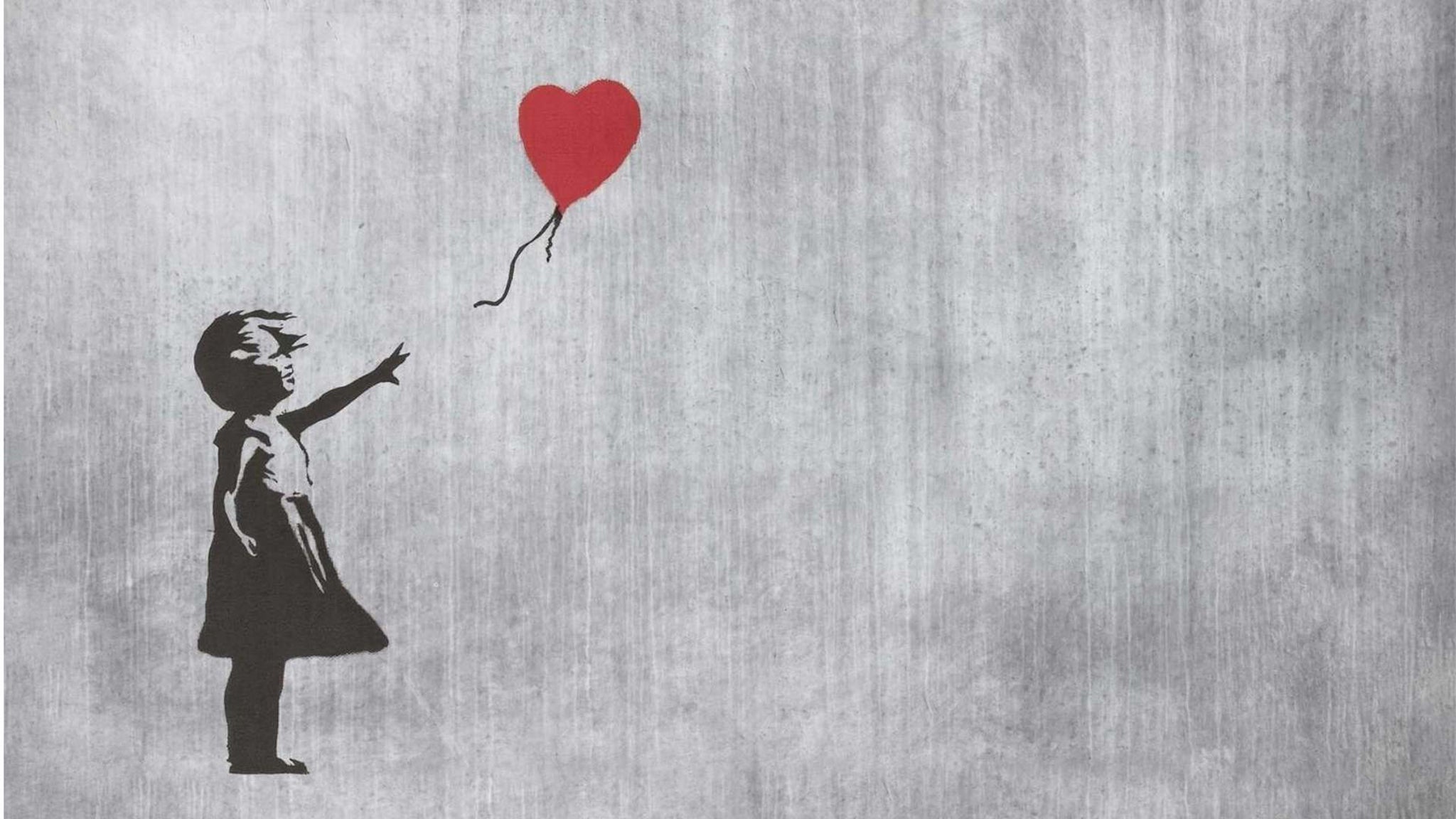
The Banksy Museum New York!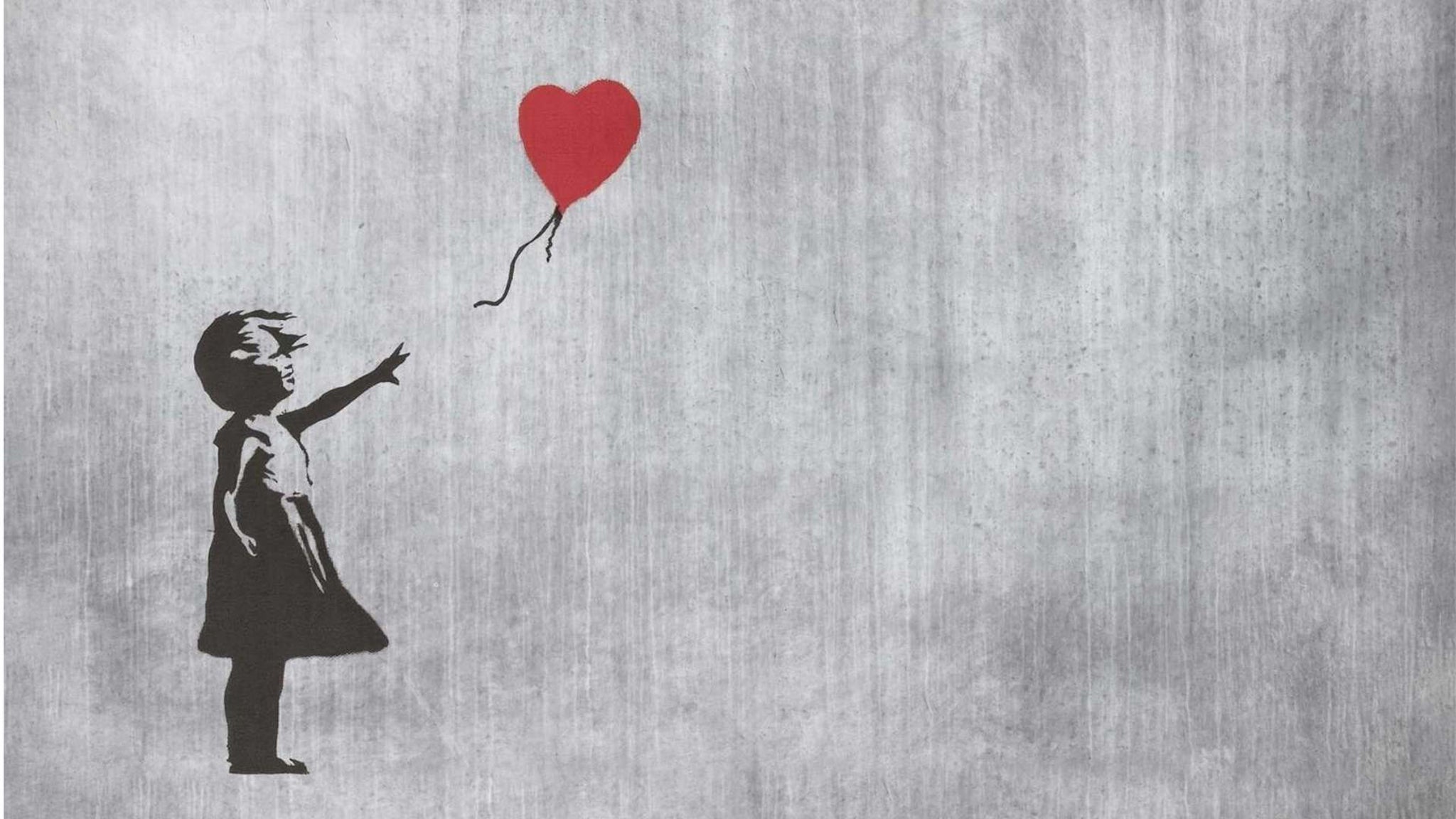
Apr. 6, 2026
The Banksy Museum New York!
Apr. 6, 2026
The Banksy Museum New York!