- Today
- Holidays
- Birthdays
- Reminders
- Cities
- Atlanta
- Austin
- Baltimore
- Berwyn
- Beverly Hills
- Birmingham
- Boston
- Brooklyn
- Buffalo
- Charlotte
- Chicago
- Cincinnati
- Cleveland
- Columbus
- Dallas
- Denver
- Detroit
- Fort Worth
- Houston
- Indianapolis
- Knoxville
- Las Vegas
- Los Angeles
- Louisville
- Madison
- Memphis
- Miami
- Milwaukee
- Minneapolis
- Nashville
- New Orleans
- New York
- Omaha
- Orlando
- Philadelphia
- Phoenix
- Pittsburgh
- Portland
- Raleigh
- Richmond
- Rutherford
- Sacramento
- Salt Lake City
- San Antonio
- San Diego
- San Francisco
- San Jose
- Seattle
- Tampa
- Tucson
- Washington
Inflation Cools, But Lingering Costs Pose Challenge
Prices rose 2.4% annually in January, the slowest increase since May, but services inflation remains stubborn
Feb. 20, 2026 at 9:39am
Got story updates? Submit your updates here. ›
Inflation slowed to start the year, offering a sign that price pressures could be stabilizing, but sustaining that momentum may be more challenging for an economy still dealing with stubborn costs and lingering tariff effects. January marked a productive start in the effort to bring down inflation, which is now stretching into a sixth year above the Federal Reserve's 2% target. However, companies are still facing decisions on whether to pass increased production costs onto consumers, and service prices have been sticky, climbing at the fastest monthly clip in a year.
Why it matters
The slowdown in inflation offers hope that the Federal Reserve's efforts to tame price increases are working, but the persistence of stubborn costs and service price inflation could complicate the path to the central bank's 2% target. Sustaining the progress on inflation is crucial for households under strain after prices climbed by 25% since the post-pandemic economic recovery.
The details
Prices rose 2.4% annually in January, the slowest annual increase since last May. The 'core' measure that removes volatile food and energy categories was steady at 2.5%, the slowest annual increase since March 2021. However, tariff-sensitive products like furniture and household appliances continued their upward trend in January, and service prices, which can be harder to bring down, climbed at the fastest monthly clip in a year. Companies are still facing decisions on whether to pass increased production costs onto consumers, and the effects of tariffs may not have fully worked through the economy.
- Inflation is now stretching into a sixth year above the Federal Reserve's 2% target.
- January marked a productive start in the effort to bring down inflation.
- The record-length shutdown last year interrupted data collection for the inflation survey, which economists say may have pushed January's inflation reading lower.
The players
Federal Reserve
The central banking system of the United States that is responsible for monetary policy, including setting interest rates to influence inflation and employment.
Ryan Young
A senior economist at the Competitive Enterprise Institute who commented on how tariffs can take time to work their way through supply chains.
Austan Goolsbee
The president of the Federal Reserve Bank of Chicago, who warned that services inflation is 'not tamed' and poses a risk to further progress on inflation.
What they’re saying
“The trouble is that most of what America imports is inputs for other goods, which means that those tariffs can take time to work their way through supply chains. If a steel tariff goes up, it can take months or years before that will work its way into the price of a new washing machine or a new construction project.”
— Ryan Young, Senior Economist
“I think we've been basically stalled out around 3% with some positive signs, but also some warning signs.”
— Austan Goolsbee, President
What’s next
The Federal Reserve will get another month of inflation and employment data before their March meeting, but are still expected to hold steady on adjusting the benchmark interest rate. Policymakers will want to see more sustained progress on inflation that has been above target for years before cutting rates while the economy is growing and unemployment is low.
The takeaway
While the slowdown in inflation offers hope, the persistence of stubborn costs and service price inflation could complicate the path to the Federal Reserve's 2% target. Sustaining the progress on inflation is crucial for households, but the central bank will likely take a cautious approach, waiting for more concrete signs of stability before adjusting interest rates.
New York top stories

New York events
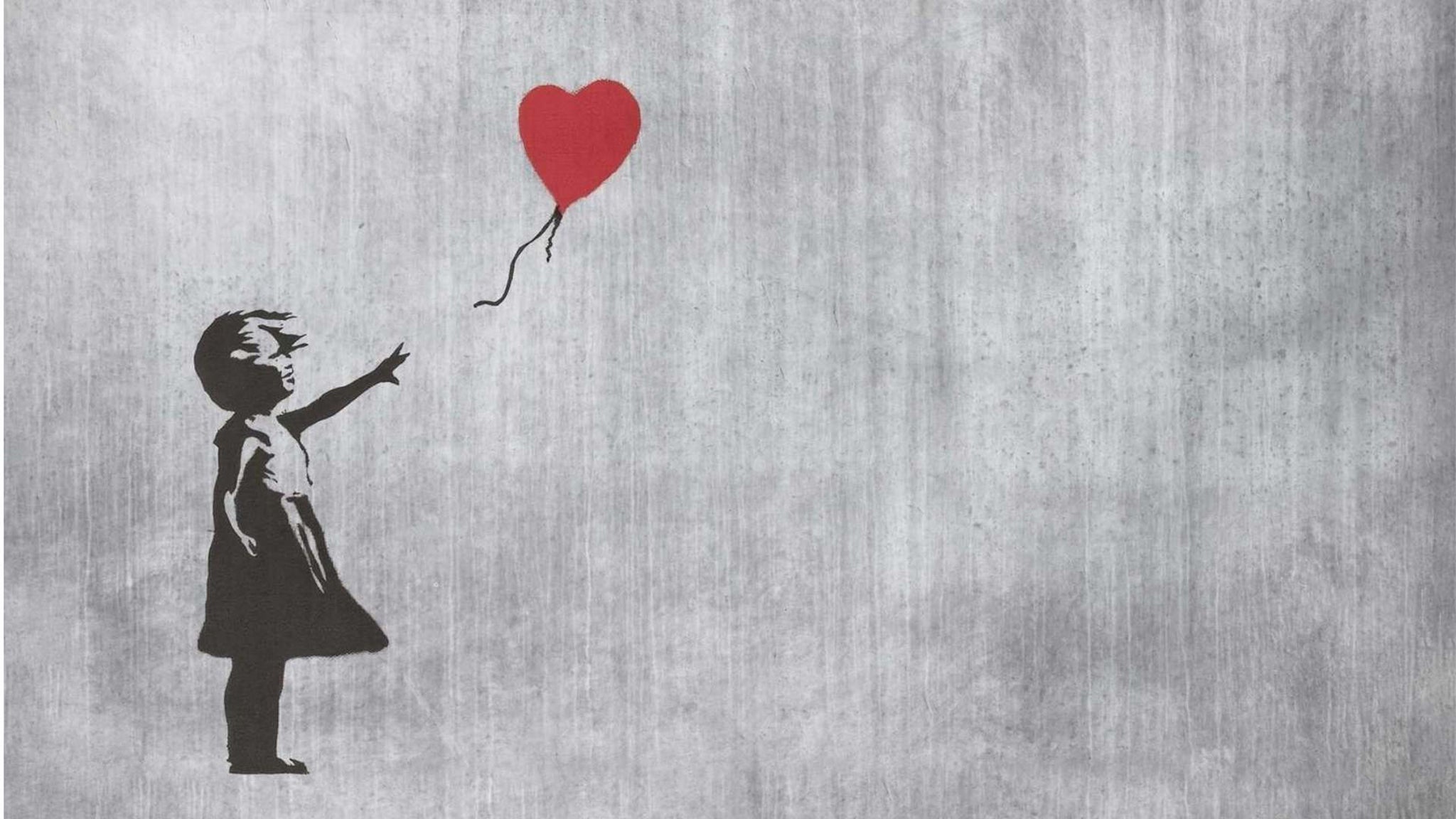
Apr. 6, 2026
The Banksy Museum New York!
Apr. 6, 2026
The Banksy Museum New York!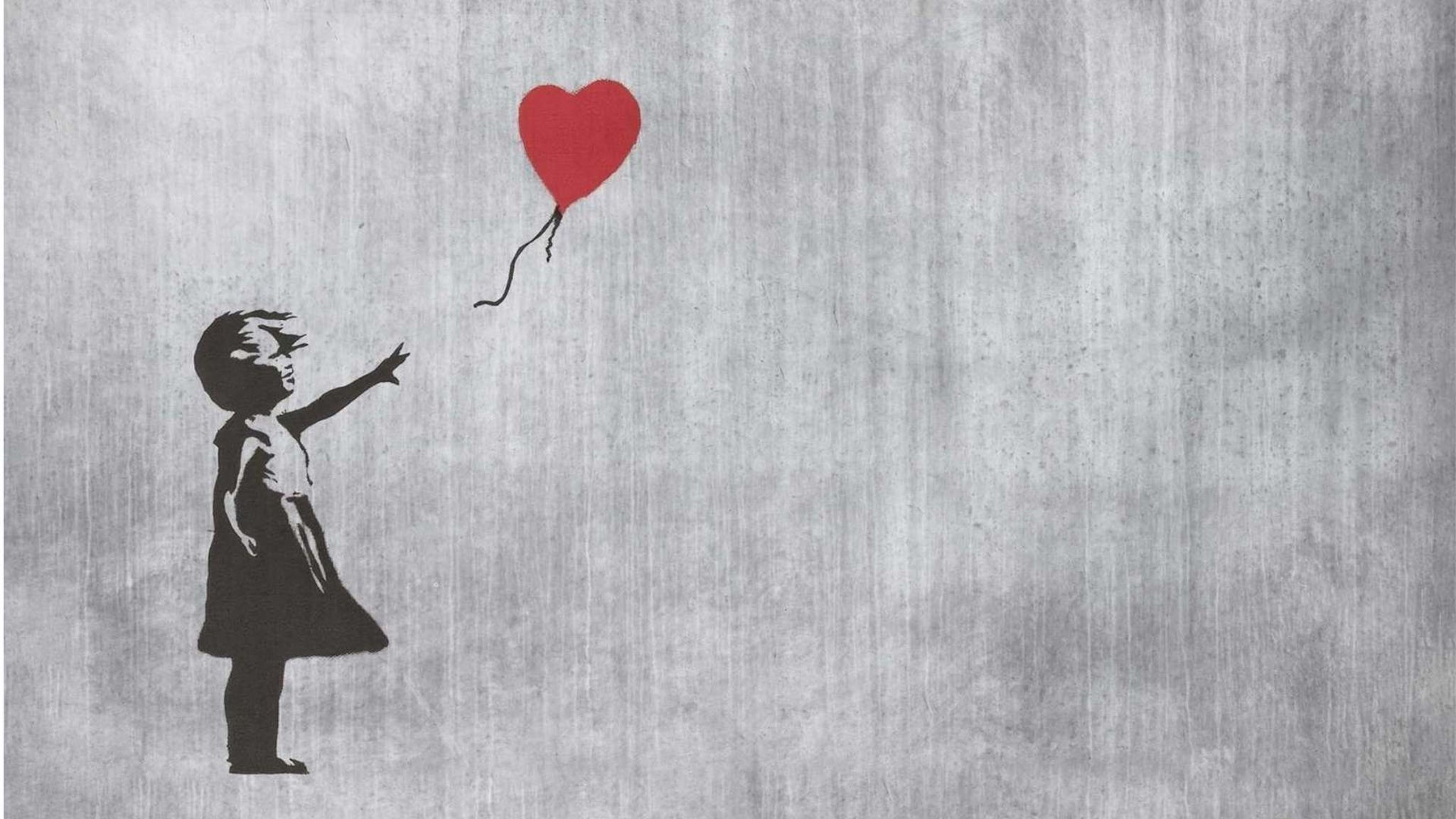
Apr. 6, 2026
The Banksy Museum New York!