- Today
- Holidays
- Birthdays
- Reminders
- Cities
- Atlanta
- Austin
- Baltimore
- Berwyn
- Beverly Hills
- Birmingham
- Boston
- Brooklyn
- Buffalo
- Charlotte
- Chicago
- Cincinnati
- Cleveland
- Columbus
- Dallas
- Denver
- Detroit
- Fort Worth
- Houston
- Indianapolis
- Knoxville
- Las Vegas
- Los Angeles
- Louisville
- Madison
- Memphis
- Miami
- Milwaukee
- Minneapolis
- Nashville
- New Orleans
- New York
- Omaha
- Orlando
- Philadelphia
- Phoenix
- Pittsburgh
- Portland
- Raleigh
- Richmond
- Rutherford
- Sacramento
- Salt Lake City
- San Antonio
- San Diego
- San Francisco
- San Jose
- Seattle
- Tampa
- Tucson
- Washington
NYC Chinatown Lunar New Year Parade 2026: Becoming a Lion Dancer
Performers train year-round to master the complex art of lion dancing for the annual celebration.
Feb. 19, 2026 at 12:47pm
Got story updates? Submit your updates here. ›
In New York City's Chinatown, a group of 20-25 performers from the New York Chinese Freemasons Athletic Club are training weekly to prepare for the upcoming Lunar New Year parade. These young volunteers, ranging from 12 to 29 years old, undergo an intensive year-long regimen to become skilled lion dancers, learning complex dance steps, calisthenics, and the coordination required to operate the 10-15 pound papier-mâché lion head and shimmering fabric tail. The club's president, Brandon Lee, oversees the training, which he says is essential to maintaining the 70-year-old troupe's reputation for a fierce and confident lion dancing style.
Why it matters
Lion dancing is a centuries-old tradition that is deeply rooted in Chinese culture, used to ward off evil spirits and bring prosperity to the community. As Chinatown's demographics have become more diverse, the art form has evolved to include participants from various backgrounds, helping to preserve and share this cultural heritage. However, clubs like the Freemasons also struggle to maintain the integrity of lion dancing in the social media age, as the traditional aspects can sometimes get lost in modern interpretations.
The details
The Freemasons' training sessions are intense, with the performers practicing intricate dance steps, lunges, and squats to build the necessary strength and coordination to operate the lion costume. While auditions are not required, the strongest participants are typically chosen to operate the lion head, while others take on supporting roles like playing drums and cymbals. Becoming a skilled lion dancer is no easy feat, as it can take up to three years to truly master the art form. The Freemasons' performers, who are all volunteers, must juggle their training with work, school, and other commitments, demonstrating their dedication to preserving this cultural tradition.
- The Freemasons' weekly training sessions take place every Friday at 4 p.m.
- The Lunar New Year parade is scheduled for March 1, 2026.
The players
Brandon Lee
The president of the New York Chinese Freemasons Athletic Club and a lion dancer himself, following in the footsteps of his father and uncle who performed in the 1990s.
David Jiang
A 22-year-old who started lion dancing at the age of 16 and has been training for the past eight to ten months to land his first lion dancing spot with the Freemasons.
Brian Tom
The founder of the rival Young Lions group, which he claims is the largest lion dancing troupe in Manhattan, founded in 1972.
New York Chinese Freemasons Athletic Club
One of Chinatown's oldest lion dancing troupes, dating back nearly 70 years, and known for its fierce and confident lion dancing style.
Young Lions
A rival lion dancing group in Manhattan, founded in 1972, which claims to be the largest in the city.
What they’re saying
“It's a lot harder than the looks. We look for a fierce lion dancer, a strong player, confident. That's why everybody actually knows our style.”
— Brandon Lee, President, New York Chinese Freemasons Athletic Club
“It's a side hustle. It's hard to make it [a lion dancer] in a year and a half because [the first year] is just mostly foundation. Unless you're really good, you're very talented.”
— David Jiang, Lion Dancer, New York Chinese Freemasons Athletic Club
“Folks within the Chinatown area would call us the United Nations because we had representation pretty much from everybody.”
— Brian Tom, Founder, Young Lions
“The more that happens, the less traditional aspects of it, the less respect for the actual art of dancing, less about the foundational understanding of why you do it.”
— Brian Tom, Founder, Young Lions
What’s next
The Freemasons will perform at the Lunar New Year parade on March 1, 2026, which will usher in the Year of the Horse with firecrackers, confetti, and hours-long parades through Chinatown.
The takeaway
The dedication and training required to become a skilled lion dancer in New York's Chinatown highlights the enduring cultural significance of this ancient art form, even as it evolves to include participants from diverse backgrounds. However, preserving the traditional aspects of lion dancing remains a challenge in the social media age, as clubs work to maintain the integrity and reverence of this centuries-old tradition.
New York top stories



New York events
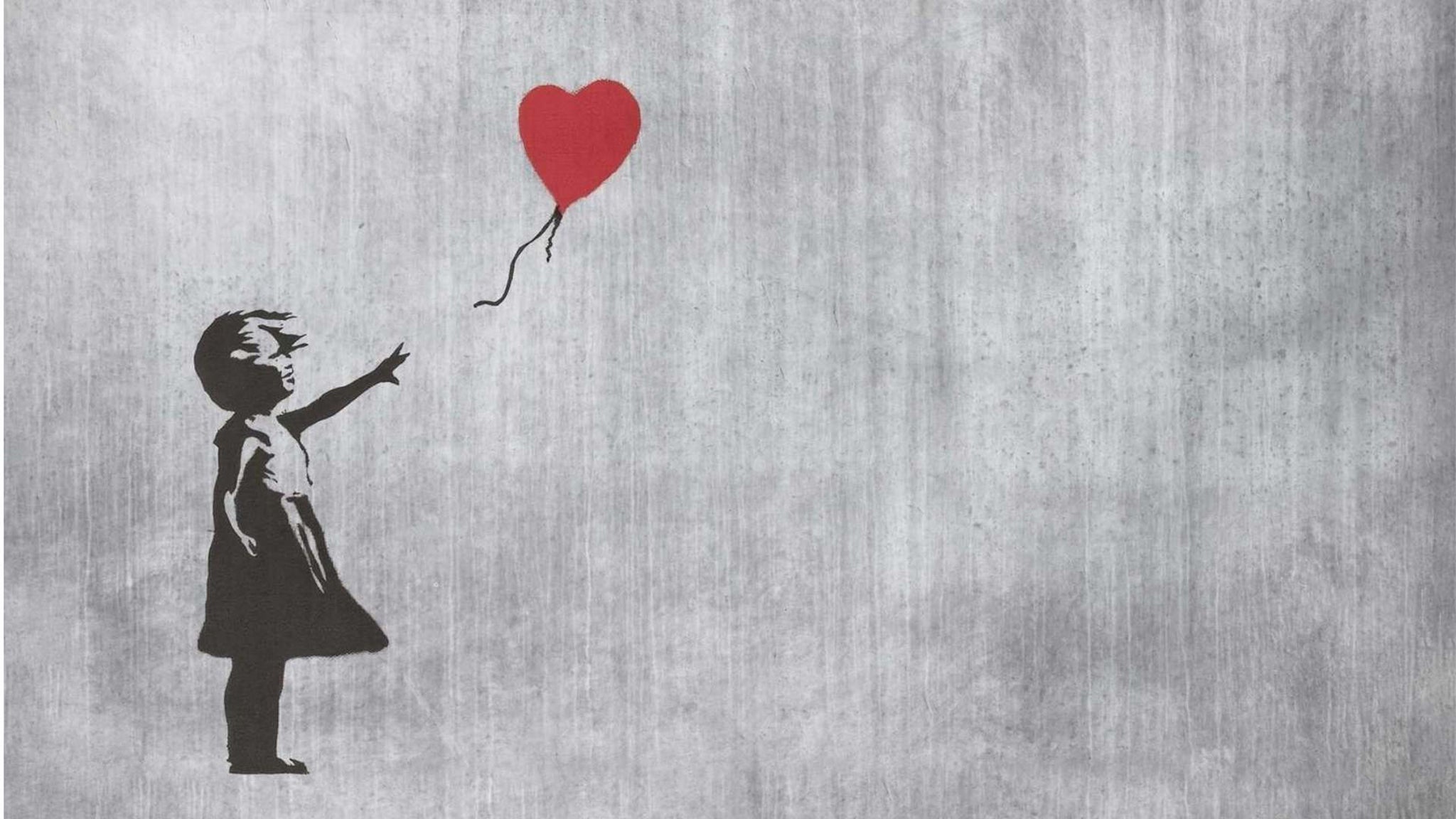
Apr. 6, 2026
The Banksy Museum New York!
Apr. 6, 2026
The Banksy Museum New York!
Apr. 6, 2026
The Banksy Museum New York!