- Today
- Holidays
- Birthdays
- Reminders
- Cities
- Atlanta
- Austin
- Baltimore
- Berwyn
- Beverly Hills
- Birmingham
- Boston
- Brooklyn
- Buffalo
- Charlotte
- Chicago
- Cincinnati
- Cleveland
- Columbus
- Dallas
- Denver
- Detroit
- Fort Worth
- Houston
- Indianapolis
- Knoxville
- Las Vegas
- Los Angeles
- Louisville
- Madison
- Memphis
- Miami
- Milwaukee
- Minneapolis
- Nashville
- New Orleans
- New York
- Omaha
- Orlando
- Philadelphia
- Phoenix
- Pittsburgh
- Portland
- Raleigh
- Richmond
- Rutherford
- Sacramento
- Salt Lake City
- San Antonio
- San Diego
- San Francisco
- San Jose
- Seattle
- Tampa
- Tucson
- Washington
Company Recalls Thousands of Candy Bags in 20 States
Packaging error failed to list milk, soy, and peanut allergens
Feb. 7, 2026 at 1:55pm
Got story updates? Submit your updates here. ›
More than 6,000 bags of peanut and classic M&M's are being recalled after the packaging failed to disclose that the products contain milk, soy, or peanuts. The recalled candy was sold in roughly 20 states, some in promotional packages marked with the 'Make Your Mark' logo.
Why it matters
Food allergies affect millions of Americans, with peanuts being one of the most common and severe allergens. Proper labeling is critical to prevent allergic reactions that can range from mild symptoms to life-threatening anaphylaxis.
The details
The recall was issued after the company discovered the packaging error that failed to list the major allergens contained in the candy. The Food and Drug Administration requires food producers to properly label products containing major allergens such as peanuts, milk, fish, and others.
- The recall was issued on February 7, 2026.
The players
Centers for Disease Control and Prevention
A leading national public health institute in the United States.
Cleveland Clinic
A nonprofit academic medical center that provides clinical and hospital care.
Food and Drug Administration
The federal agency responsible for protecting public health by regulating food, drugs, and other products.
What they’re saying
“About 6% of adults and 8% of children live with a food allergy, with peanuts among the foods causing the most severe reactions.”
— Centers for Disease Control and Prevention
“Peanut allergies can cause diarrhea, difficulty breathing, hives, skin rash, nausea, vomiting, stomach cramps and swelling. Severe reactions can include anaphylaxis, which can make it hard or impossible to breathe.”
— Cleveland Clinic
What’s next
The Food and Drug Administration has provided the full lot codes of the recalled products on its website.
The takeaway
This recall highlights the importance of proper food labeling to protect consumers with allergies. It serves as a reminder for all food producers to strictly adhere to allergen disclosure requirements to prevent potentially life-threatening incidents.
New York top stories



New York events
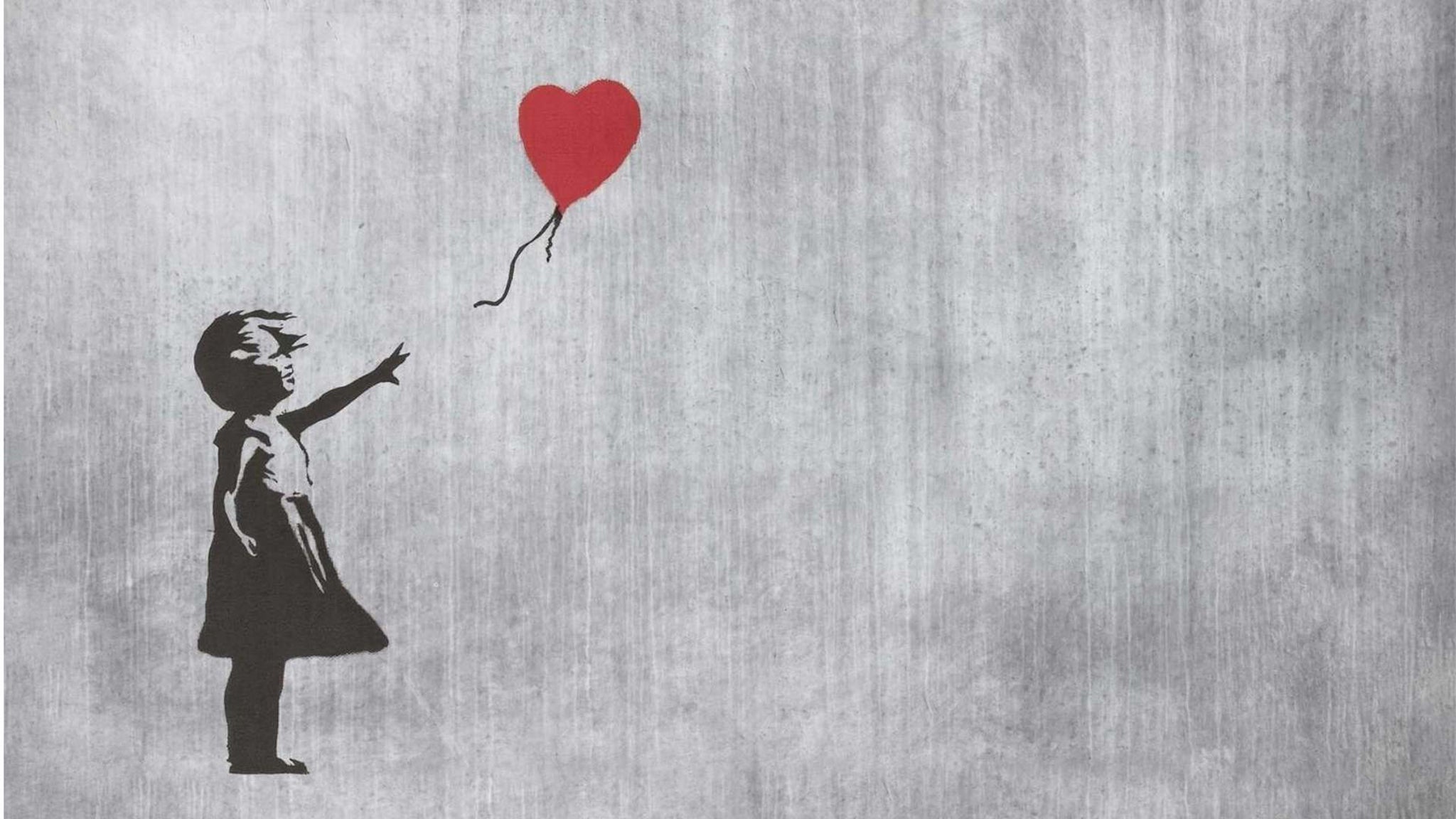
Apr. 6, 2026
The Banksy Museum New York!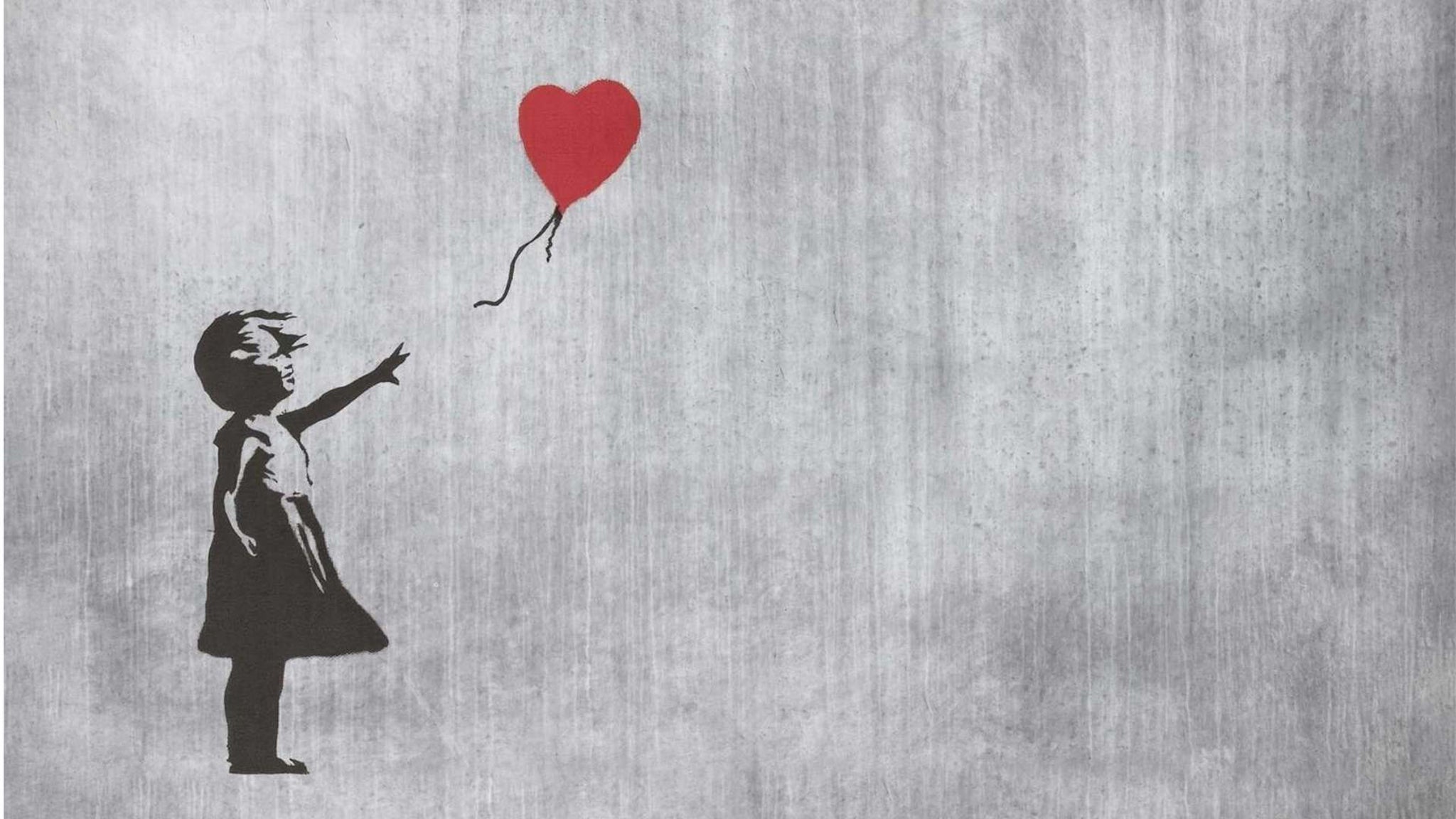
Apr. 6, 2026
The Banksy Museum New York!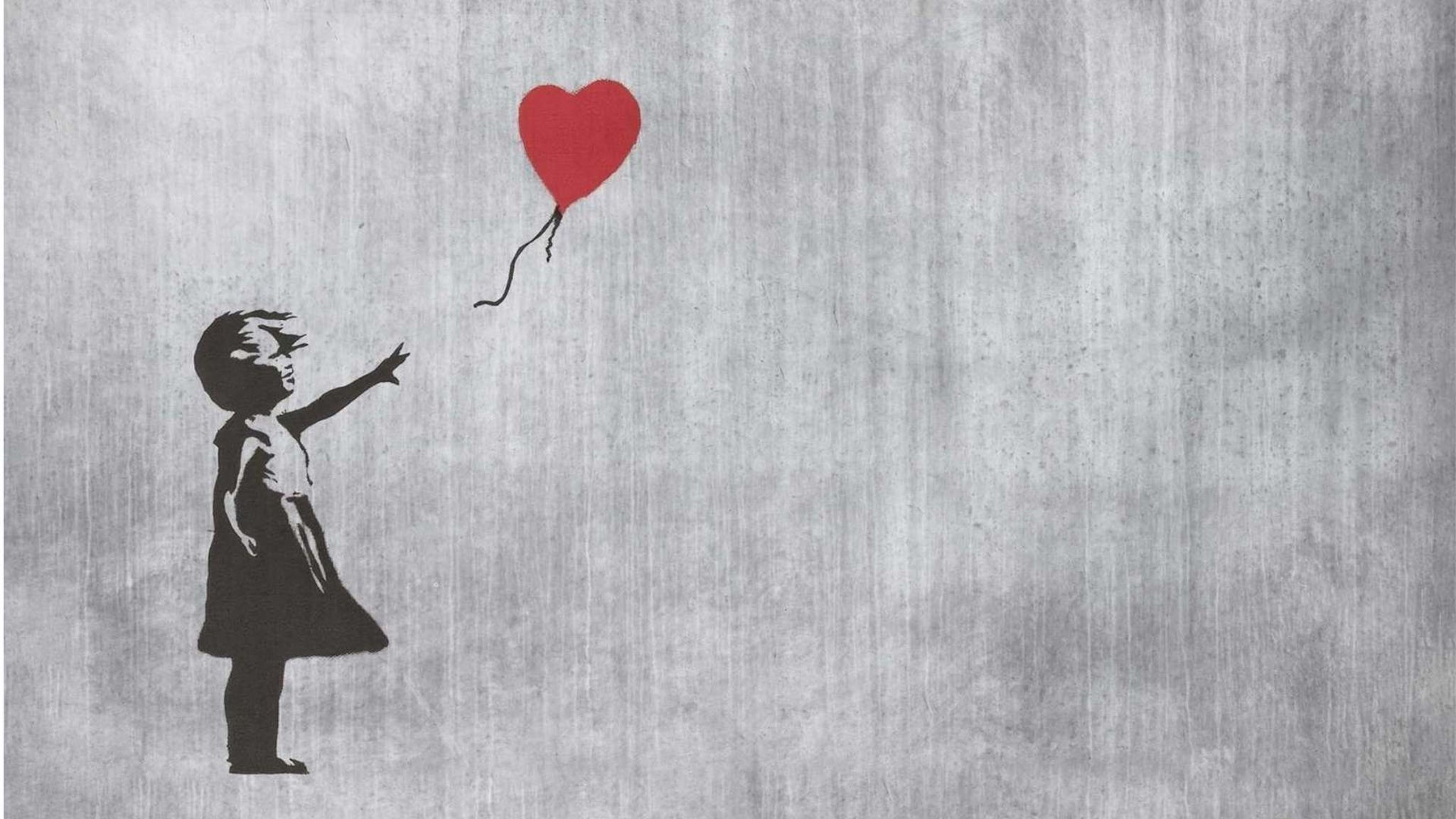
Apr. 6, 2026
The Banksy Museum New York!