- Today
- Holidays
- Birthdays
- Reminders
- Cities
- Atlanta
- Austin
- Baltimore
- Berwyn
- Beverly Hills
- Birmingham
- Boston
- Brooklyn
- Buffalo
- Charlotte
- Chicago
- Cincinnati
- Cleveland
- Columbus
- Dallas
- Denver
- Detroit
- Fort Worth
- Houston
- Indianapolis
- Knoxville
- Las Vegas
- Los Angeles
- Louisville
- Madison
- Memphis
- Miami
- Milwaukee
- Minneapolis
- Nashville
- New Orleans
- New York
- Omaha
- Orlando
- Philadelphia
- Phoenix
- Pittsburgh
- Portland
- Raleigh
- Richmond
- Rutherford
- Sacramento
- Salt Lake City
- San Antonio
- San Diego
- San Francisco
- San Jose
- Seattle
- Tampa
- Tucson
- Washington
Bonobo Kanzi Hints at Ape Imagination in Pretend Tea Party Experiment
Study suggests apes may share capacity for make-believe with humans, though some scientists remain skeptical.
Feb. 5, 2026 at 8:23pm
Got story updates? Submit your updates here. ›
A new experiment led by researchers at Johns Hopkins University and the University of St. Andrews suggests that a bonobo named Kanzi, who was raised in a lab and trained to communicate using graphic symbols, may have the capacity for imagination and pretend play similar to young children. In the study, Kanzi was able to correctly identify which cup contained imaginary juice more often than chance, though some scientists caution that this does not definitively prove apes can engage in human-like pretense.
Why it matters
The findings, if confirmed, would challenge the long-held view that the ability to imagine and play pretend is uniquely human. Understanding the cognitive capabilities of great apes could provide insights into the evolutionary origins of imagination and creativity.
The details
Researchers adapted experiments used to study pretend play in young children to test Kanzi, a bonobo who was raised in a lab and became skilled at communicating with humans using graphic symbols. In one test, researchers poured imaginary juice from a pitcher into two cups, then pretended to empty just one. Kanzi chose the cup still containing the pretend juice 68% of the time, suggesting he could distinguish real from imaginary. However, some scientists argue this does not conclusively demonstrate Kanzi was truly engaging in pretense like humans do.
- The study was published on February 6, 2026 in the journal Science.
- Kanzi, the bonobo subject of the experiment, died in 2025 at the age of 44.
The players
Kanzi
A bonobo who was raised in a lab and became skilled at communicating with humans using graphic symbols, and was the subject of the pretend play experiment.
Christopher Krupenye
A study co-author from Johns Hopkins University.
Amalia Bastos
A study co-author from the University of St. Andrews in Scotland.
Michael Tomasello
A comparative psychologist at Duke University who was not involved in the study but expressed skepticism about the findings.
What they’re saying
“What's really exciting about this work is that it suggests that the roots of this capacity for imagination are not unique to our species.”
— Christopher Krupenye
“To be convinced of that I would need to see Kanzi actually pretend to pour water into a container himself.”
— Michael Tomasello, comparative psychologist
What’s next
Researchers plan to conduct further studies to better understand the cognitive capabilities of great apes and whether their capacity for imagination and pretend play extends beyond the unique case of Kanzi.
The takeaway
While the findings are intriguing, the scientific community remains divided on whether this experiment conclusively demonstrates that apes can engage in human-like pretense. More research is needed to fully understand the evolutionary origins of imagination and creativity.
New York top stories
New York events
Apr. 6, 2026
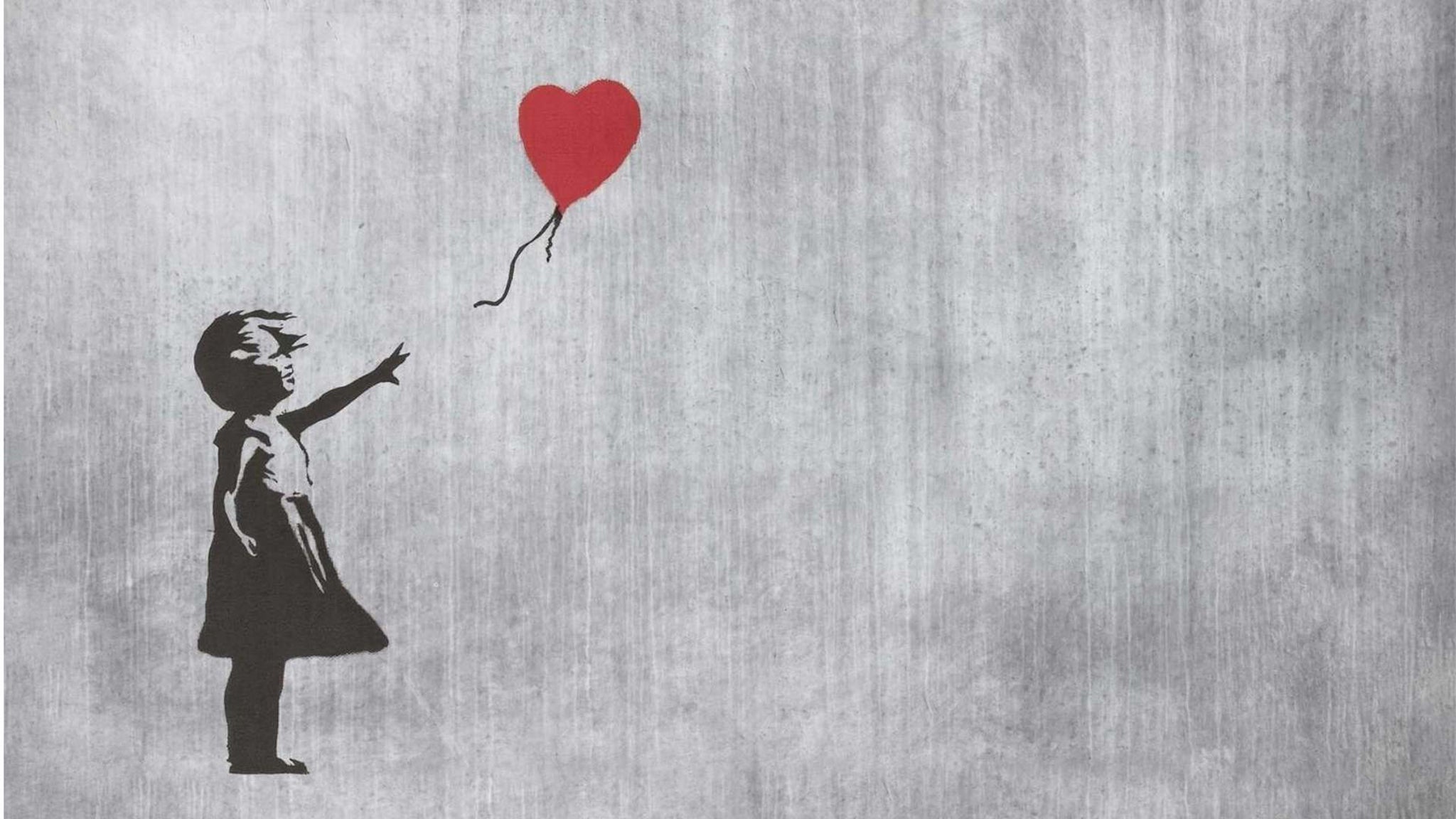
The Banksy Museum New York!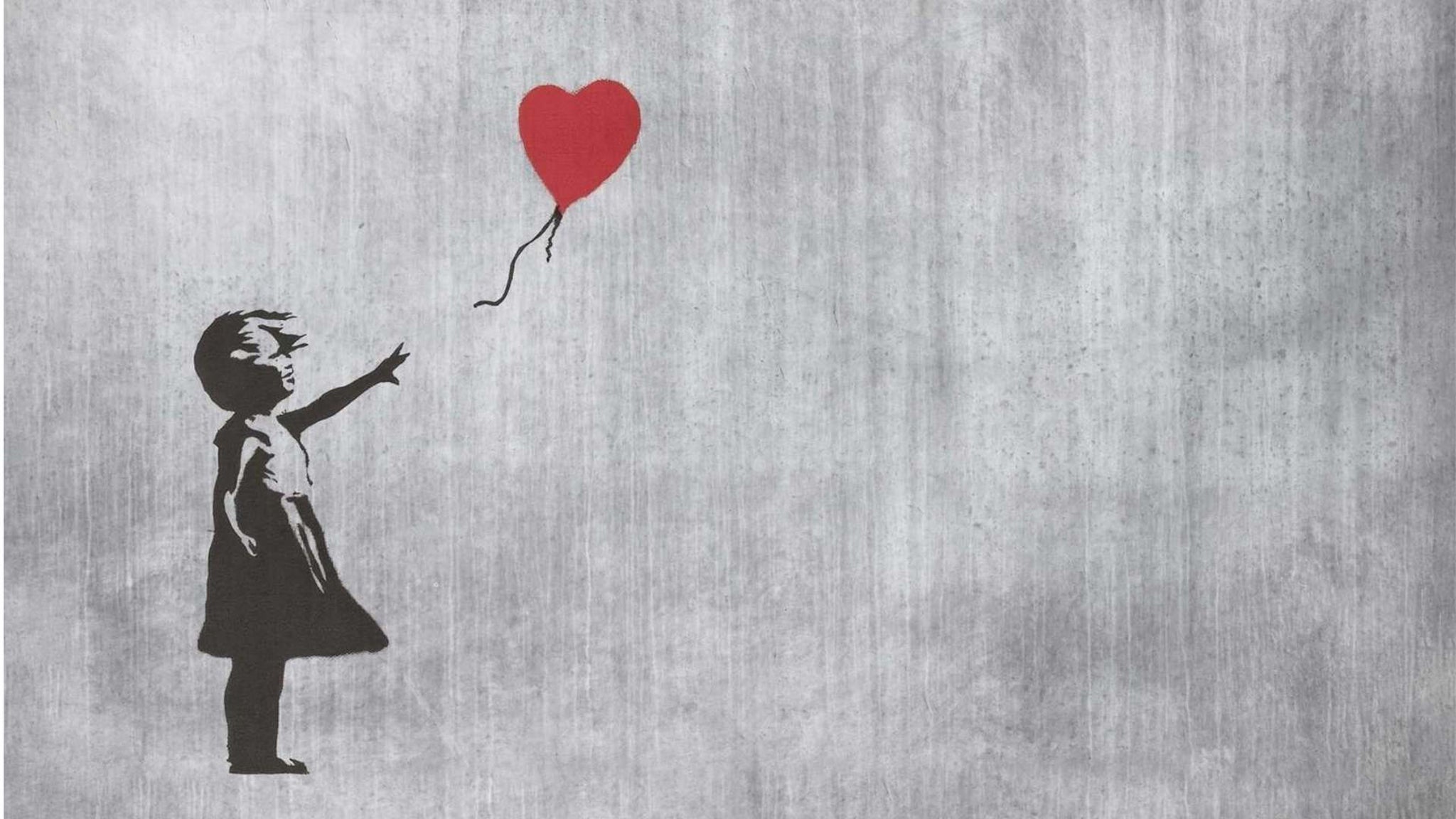
Apr. 6, 2026
The Banksy Museum New York!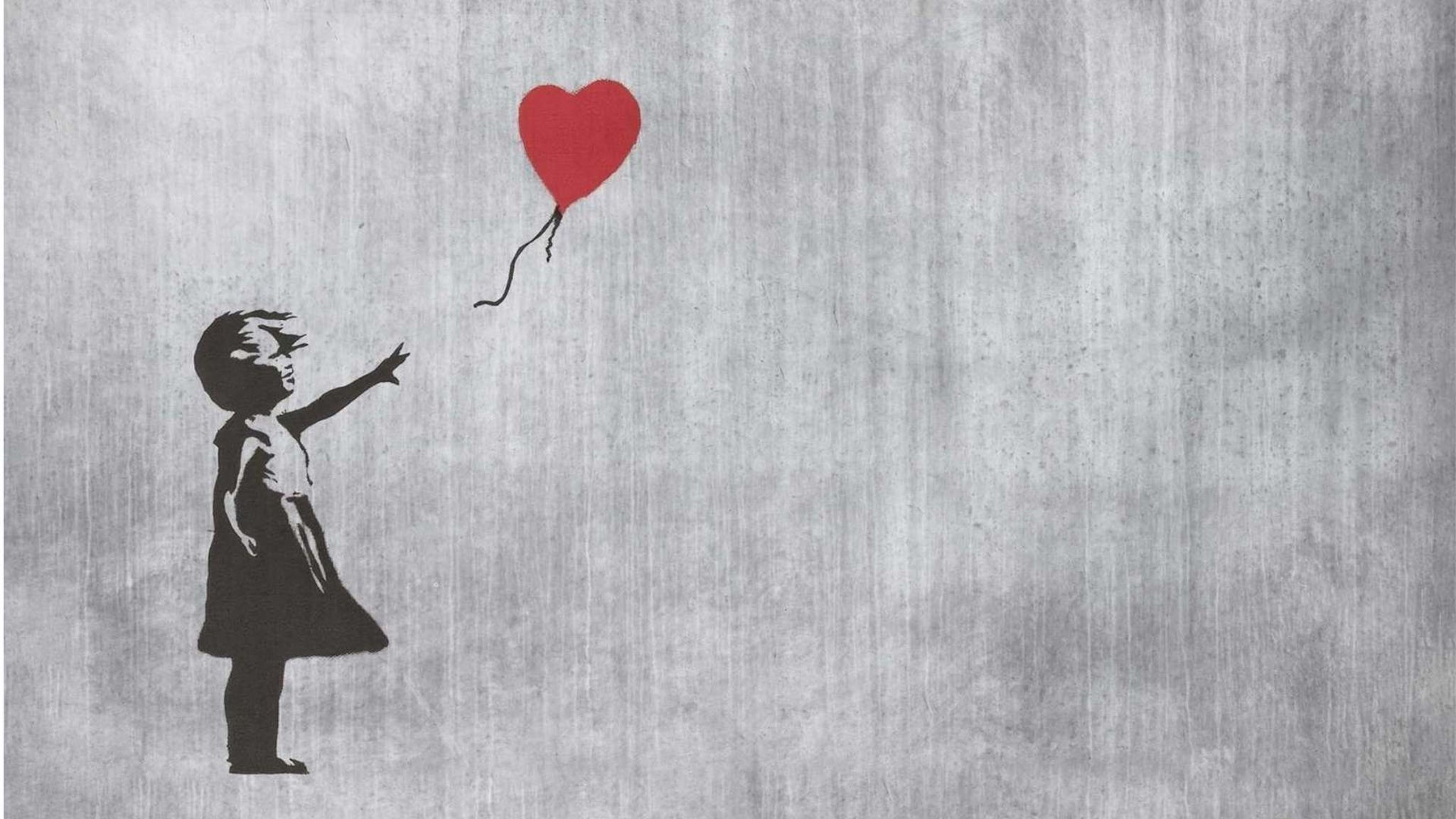
Apr. 6, 2026
The Banksy Museum New York!