- Today
- Holidays
- Birthdays
- Reminders
- Cities
- Atlanta
- Austin
- Baltimore
- Berwyn
- Beverly Hills
- Birmingham
- Boston
- Brooklyn
- Buffalo
- Charlotte
- Chicago
- Cincinnati
- Cleveland
- Columbus
- Dallas
- Denver
- Detroit
- Fort Worth
- Houston
- Indianapolis
- Knoxville
- Las Vegas
- Los Angeles
- Louisville
- Madison
- Memphis
- Miami
- Milwaukee
- Minneapolis
- Nashville
- New Orleans
- New York
- Omaha
- Orlando
- Philadelphia
- Phoenix
- Pittsburgh
- Portland
- Raleigh
- Richmond
- Rutherford
- Sacramento
- Salt Lake City
- San Antonio
- San Diego
- San Francisco
- San Jose
- Seattle
- Tampa
- Tucson
- Washington
Epstein Survivors' Identities Still Exposed Despite DOJ Promises
Attorney says victims' personal information remains publicly accessible days after government agreed to fix redaction failures.
Feb. 4, 2026 at 4:23pm
Got story updates? Submit your updates here. ›
Multiple survivors of deceased sex offender Jeffrey Epstein remain publicly identified in documents released by the Justice Department, despite the government's previous assurances that it would properly redact their personal information, an attorney representing the victims told NBC News. The attorney said the DOJ has left the survivors "publicly exposed" for five days, and that the damage is now "permanent and impossible to correct."
Why it matters
This case highlights ongoing concerns about the government's ability to protect the privacy and safety of victims, even in high-profile cases where there are specific legal requirements and agreements in place to ensure their identities remain confidential. The failure to properly redact the Epstein survivors' information has put them at further risk of harm.
The details
According to attorney Brittany Henderson, who represents multiple Epstein survivors, the Justice Department agreed to fix the redaction failures by noon on Wednesday, but the victims' identities remained publicly accessible online. Henderson said the survivors had "trusted" the DOJ to protect their privacy, but the documents have now been "downloaded, copied, and preserved, rendering the harm permanent and impossible to correct." The attorney added that "every additional hour that these records remain online compounds the danger to women who never chose publicity and who were entitled to protection under the law."
- On February 4, 2026, the DOJ failed to properly redact Epstein survivors' personal information in documents it released.
- On February 8, 2026, the DOJ agreed to fix the redaction failures by noon on Wednesday, February 9, 2026.
- As of February 9, 2026, the victims' identities remained publicly accessible online, despite the DOJ's promises.
The players
Brittany Henderson
An attorney representing multiple survivors of Jeffrey Epstein.
Jeffrey Epstein
A deceased sex offender whose crimes against multiple victims have been the subject of extensive legal proceedings and public scrutiny.
Danielle Bensky
An Epstein survivor who said her confidential conversations with FBI investigators about the abuse were included in the latest document dump, which she believes was not an accident.
Richard M. Berman
A U.S. District Judge who canceled a hearing that was scheduled to address protections for Epstein survivors, saying he was "pleased but not surprised" that the parties were able to resolve the privacy issues.
Donald Trump
The former president who signed the Epstein Files Transparency Act, which required the government to release all of the Justice Department's files related to the Epstein case within 30 days.
What they’re saying
“For five days, the Department of Justice has left the survivors of Jeffrey Epstein publicly exposed — named and personally identified on the government's own website — despite acknowledging that these disclosures were wrongful and agreeing to correct them immediately.”
— Brittany Henderson, Attorney representing Epstein survivors
“Our only focus is the complete removal of every document that identifies a survivor. We implore the press and the public to exercise restraint and refrain from republishing the names of vulnerable women, because the fact that a disclosure occurred does not make it ethical or just.”
— Brittany Henderson, Attorney representing Epstein survivors
“I thought it was carelessness, and then I went to incompetence. And now it feels, it feels a bit deliberate. It feels like a bit of an attack on survivors.”
— Danielle Bensky, Epstein survivor
What’s next
The judge in the case has canceled a hearing that was scheduled to address protections for Epstein survivors, indicating that the parties were able to resolve the privacy issues. However, the attorney representing the survivors says the damage is now "permanent and impossible to correct," and they are focused on the complete removal of any documents that identify the victims.
The takeaway
This case highlights the ongoing challenges in protecting the privacy and safety of victims, even in high-profile cases where there are specific legal requirements and agreements in place. The failure to properly redact the Epstein survivors' information has put them at further risk of harm, underscoring the need for more robust and reliable mechanisms to safeguard victim identities in sensitive cases.
New York top stories


New York events
Apr. 6, 2026
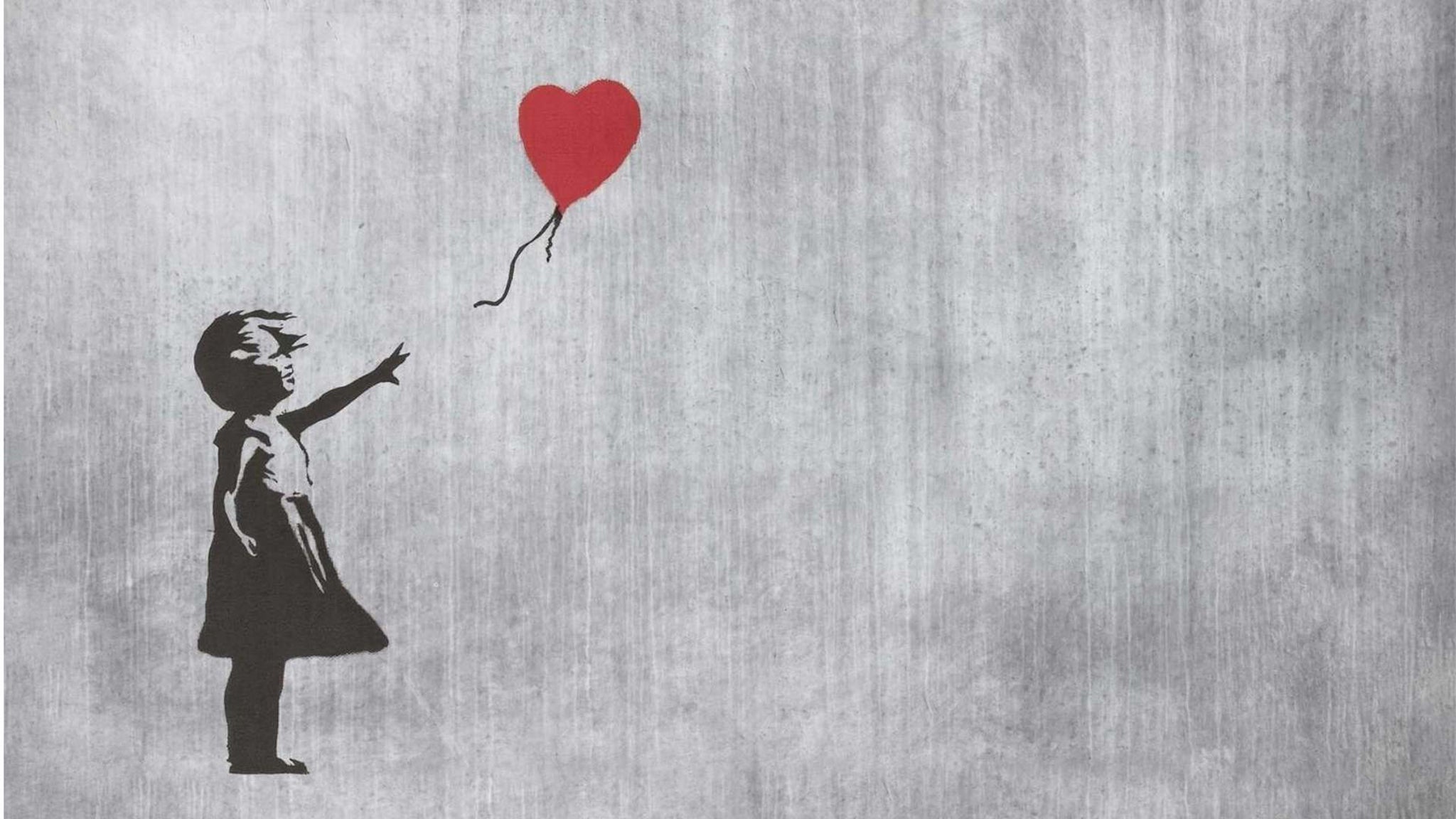
The Banksy Museum New York!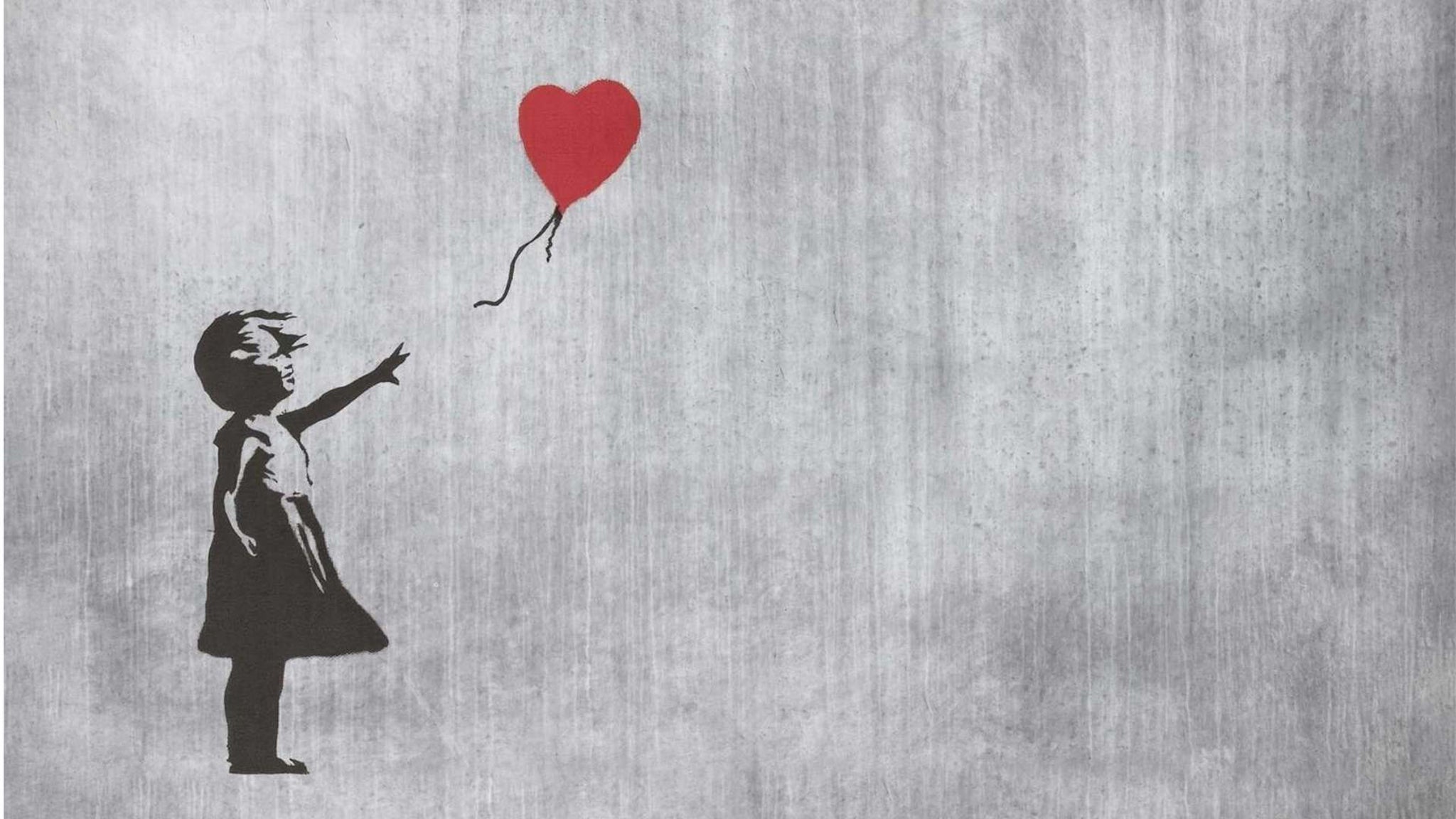
Apr. 6, 2026
The Banksy Museum New York!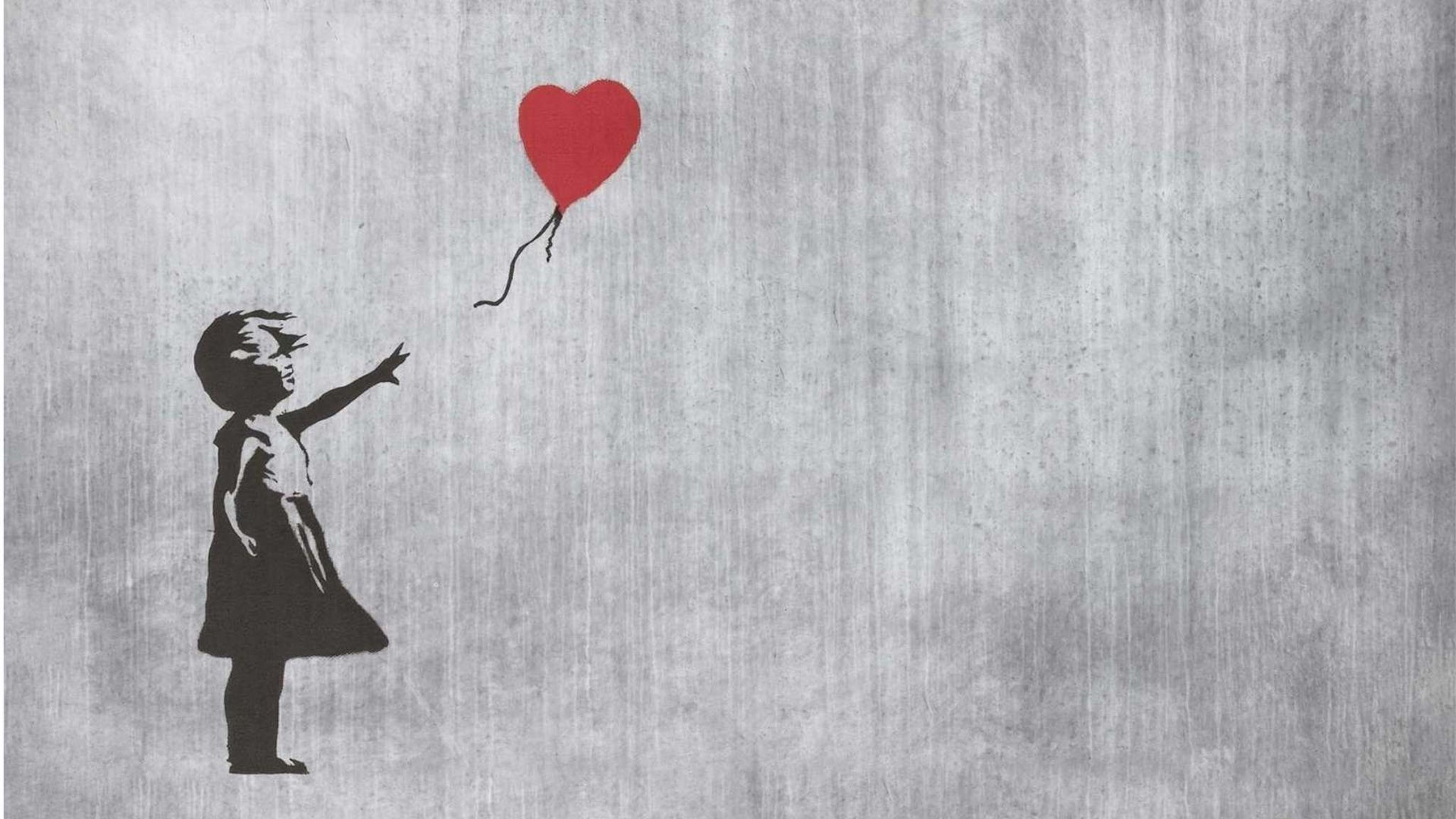
Apr. 6, 2026
The Banksy Museum New York!