- Today
- Holidays
- Birthdays
- Reminders
- Cities
- Atlanta
- Austin
- Baltimore
- Berwyn
- Beverly Hills
- Birmingham
- Boston
- Brooklyn
- Buffalo
- Charlotte
- Chicago
- Cincinnati
- Cleveland
- Columbus
- Dallas
- Denver
- Detroit
- Fort Worth
- Houston
- Indianapolis
- Knoxville
- Las Vegas
- Los Angeles
- Louisville
- Madison
- Memphis
- Miami
- Milwaukee
- Minneapolis
- Nashville
- New Orleans
- New York
- Omaha
- Orlando
- Philadelphia
- Phoenix
- Pittsburgh
- Portland
- Raleigh
- Richmond
- Rutherford
- Sacramento
- Salt Lake City
- San Antonio
- San Diego
- San Francisco
- San Jose
- Seattle
- Tampa
- Tucson
- Washington
Ithaca Today
By the People, for the People
Scientists Develop Promising Non-Hormonal Male Birth Control
New research shows a drug can temporarily block fertility by interfering with sperm production.
Apr. 8, 2026 at 7:20pm
Got story updates? Submit your updates here. ›
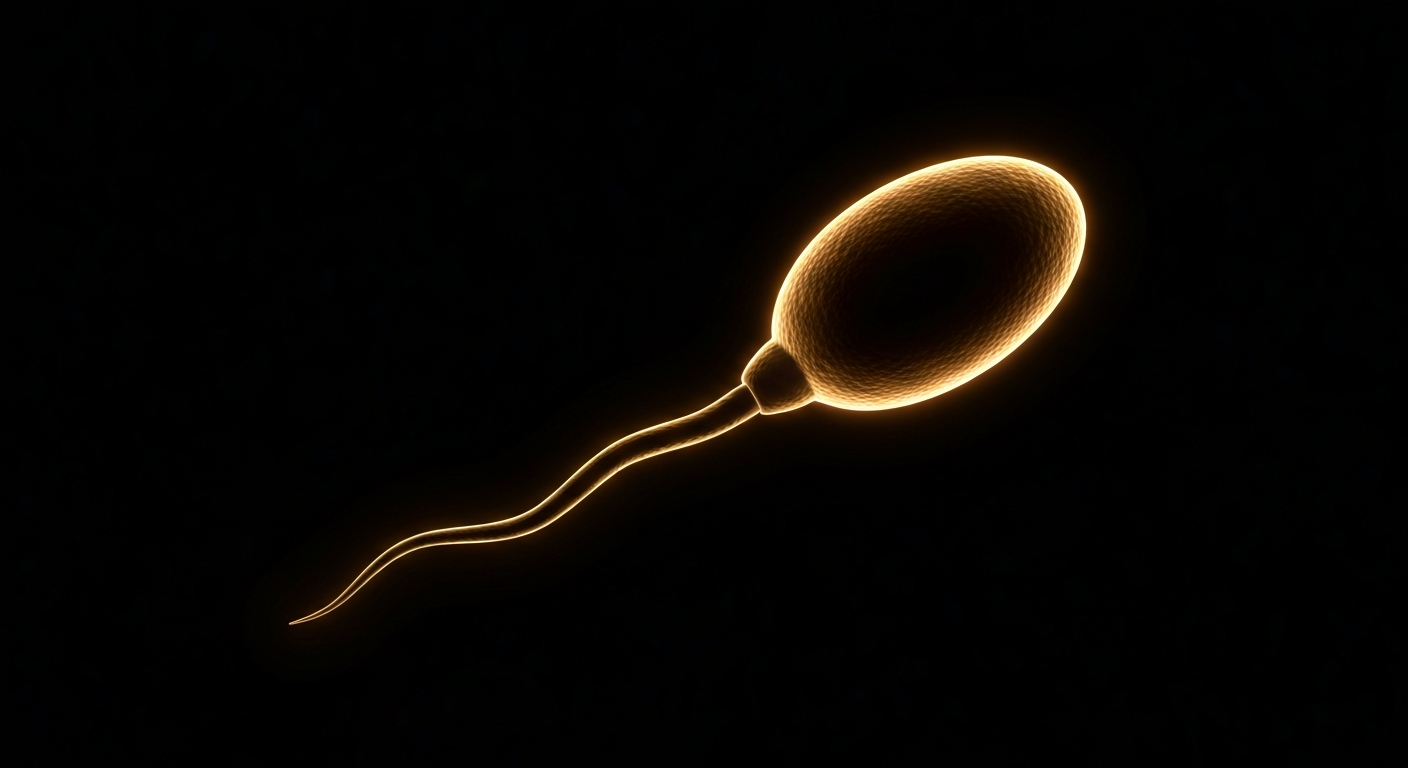 An experimental male birth control treatment aims to temporarily halt sperm production without permanent effects.Ithaca Today
Researchers at Cornell University have discovered a potential new approach to male birth control that does not involve hormones or a vasectomy. In experiments with male mice, they found that a drug called JQ1 can temporarily halt sperm production by interfering with the process of meiosis, which is critical for producing viable sperm cells. The effect was reversible, with the mice regaining full fertility after about 30 weeks.
Why it matters
The development of new male contraceptive options is important, as it could provide more choices for men beyond condoms and vasectomies. Having a variety of birth control methods is key, as some men may not respond well to or want hormonal treatments, which are the closest to being approved. This research represents a promising non-hormonal approach that could eventually lead to a new class of male contraceptives.
The details
The Cornell researchers tested the drug JQ1, which was originally developed as a cancer treatment, on male mice. They found that dosing the mice with JQ1 for three weeks completely halted sperm production without harming the stem cells that produce sperm. The effect began to fade within six weeks after the mice stopped taking the drug, and it took about 30 weeks for their fertility to fully recover. Once recovered, the mice were still able to produce offspring.
- The study was published on April 8, 2026.
- The researchers dosed the male mice with JQ1 for three weeks.
The players
Paula Cohen
Director of the Cornell Reproductive Sciences Center and a co-author of the study.
Cornell University
The institution where the research was conducted.
What they’re saying
“'While acknowledging the need for robust future safety assessments of any candidate drugs, these studies provide a blueprint for developing new contraceptive approaches.'”
— Paula Cohen, Director of the Cornell Reproductive Sciences Center
“'It shows that we recover complete meiosis, complete sperm function, and more importantly, that the offspring are completely normal.'”
— Paula Cohen, Director of the Cornell Reproductive Sciences Center
What’s next
The researchers are already working on other potential treatments intended to safely block sperm meiosis, as JQ1 itself is unlikely to be developed as a male birth control drug due to its short half-life and possible neurological side effects.
The takeaway
This research represents an important step forward in the development of new non-hormonal male birth control options, which could provide more choices for men beyond condoms and vasectomies. The reversible, temporary nature of the effect shown in the mouse study is a promising sign that such treatments could eventually become a viable alternative for those seeking greater control over their reproductive health.