- Today
- Holidays
- Birthdays
- Reminders
- Cities
- Atlanta
- Austin
- Baltimore
- Berwyn
- Beverly Hills
- Birmingham
- Boston
- Brooklyn
- Buffalo
- Charlotte
- Chicago
- Cincinnati
- Cleveland
- Columbus
- Dallas
- Denver
- Detroit
- Fort Worth
- Houston
- Indianapolis
- Knoxville
- Las Vegas
- Los Angeles
- Louisville
- Madison
- Memphis
- Miami
- Milwaukee
- Minneapolis
- Nashville
- New Orleans
- New York
- Omaha
- Orlando
- Philadelphia
- Phoenix
- Pittsburgh
- Portland
- Raleigh
- Richmond
- Rutherford
- Sacramento
- Salt Lake City
- San Antonio
- San Diego
- San Francisco
- San Jose
- Seattle
- Tampa
- Tucson
- Washington
Ithaca Today
By the People, for the People
Cornell Scientists Develop Promising Nonhormonal Male Contraceptive
Researchers find a way to safely and reversibly halt sperm production in mice.
Apr. 8, 2026 at 11:44am
Got story updates? Submit your updates here. ›
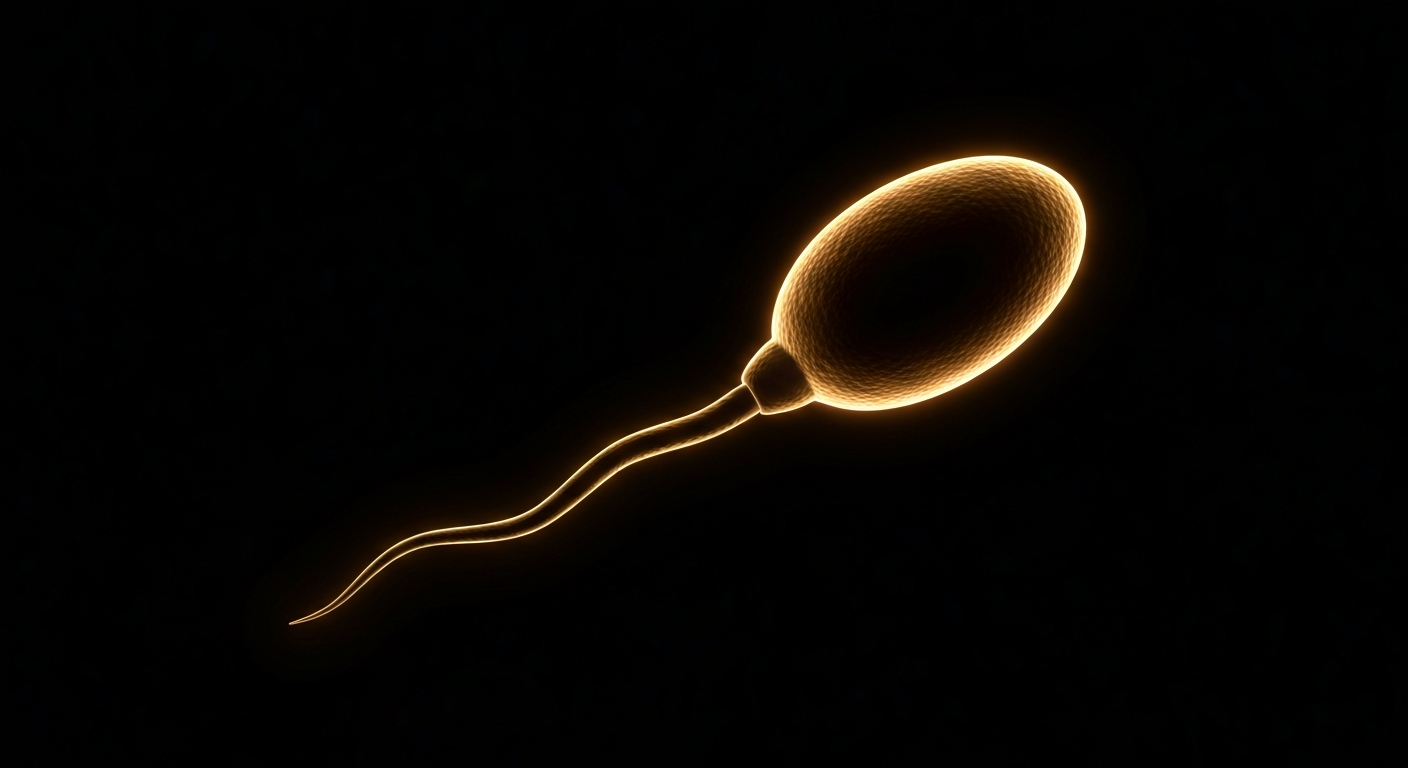
Cornell University researchers have made a breakthrough in developing a safe, reversible, and 100% effective nonhormonal male contraceptive. In a study on mice, they found that targeting a natural checkpoint in meiosis, the process by which sex cells reproduce, can safely stop sperm production without long-term effects.
Why it matters
Currently, male contraceptive options are limited to condoms and vasectomies, which many men are hesitant to undergo. Hormonal contraceptives have proven potentially dangerous in women, so researchers have been reluctant to develop them for men. This new approach targeting meiosis could provide a safe, reversible, and highly effective alternative for male birth control.
The details
The Cornell researchers made use of JQ1, a small molecule inhibitor developed as a research tool to study cancer and inflammatory disease. While JQ1 has neurological side effects that make it unsuitable as a final contraceptive, it was able to disrupt prophase 1 of meiosis, enabling the team to demonstrate that meiosis and sperm production can be safely and reversibly targeted. In the study, male mice were administered JQ1 for three weeks, resulting in a complete halt of sperm production. When the treatment was stopped, normal sperm function and fertility returned within six weeks, and the mice's offspring were healthy.
- The proof-of-principle study in mice was six years in the making.
- The researchers administered JQ1 to male mice for three weeks.
- Within six weeks of stopping the treatment, the mice regained normal sperm function and fertility.
The players
Paula Cohen
Professor of genetics and director of the Cornell Reproductive Sciences Center.
JQ1
A small molecule inhibitor developed as a research tool to study cancer and inflammatory disease, which was used in the study to disrupt meiosis and stop sperm production in mice.
Cornell University
The institution where the researchers conducted the study on developing a safe, reversible male contraceptive.
What they’re saying
“We're practically the only the group that's pushing the idea that contraception targets in the testis are a feasible way to stop sperm production.”
— Paula Cohen, Professor of genetics and director of the Cornell Reproductive Sciences Center
“Our study shows that mostly we recover normal meiosis and complete sperm function, and more importantly, that the offspring are completely normal.”
— Paula Cohen, Professor of genetics and director of the Cornell Reproductive Sciences Center
What’s next
The researchers say a male contraceptive would likely start in the form of an injection taken every three months, or possibly a patch, to ensure effectiveness.
The takeaway
This new approach targeting meiosis could provide a safe, reversible, and highly effective alternative for male birth control, addressing the limited options currently available.