- Today
- Holidays
- Birthdays
- Reminders
- Cities
- Atlanta
- Austin
- Baltimore
- Berwyn
- Beverly Hills
- Birmingham
- Boston
- Brooklyn
- Buffalo
- Charlotte
- Chicago
- Cincinnati
- Cleveland
- Columbus
- Dallas
- Denver
- Detroit
- Fort Worth
- Houston
- Indianapolis
- Knoxville
- Las Vegas
- Los Angeles
- Louisville
- Madison
- Memphis
- Miami
- Milwaukee
- Minneapolis
- Nashville
- New Orleans
- New York
- Omaha
- Orlando
- Philadelphia
- Phoenix
- Pittsburgh
- Portland
- Raleigh
- Richmond
- Rutherford
- Sacramento
- Salt Lake City
- San Antonio
- San Diego
- San Francisco
- San Jose
- Seattle
- Tampa
- Tucson
- Washington
Ithaca Today
By the People, for the People
Rudeness May Be Rewarded as Response to Rudeness
New Cornell research suggests uncivil actions are viewed more leniently when used in retaliation rather than as instigation.
Apr. 3, 2026 at 12:46am
Got story updates? Submit your updates here. ›
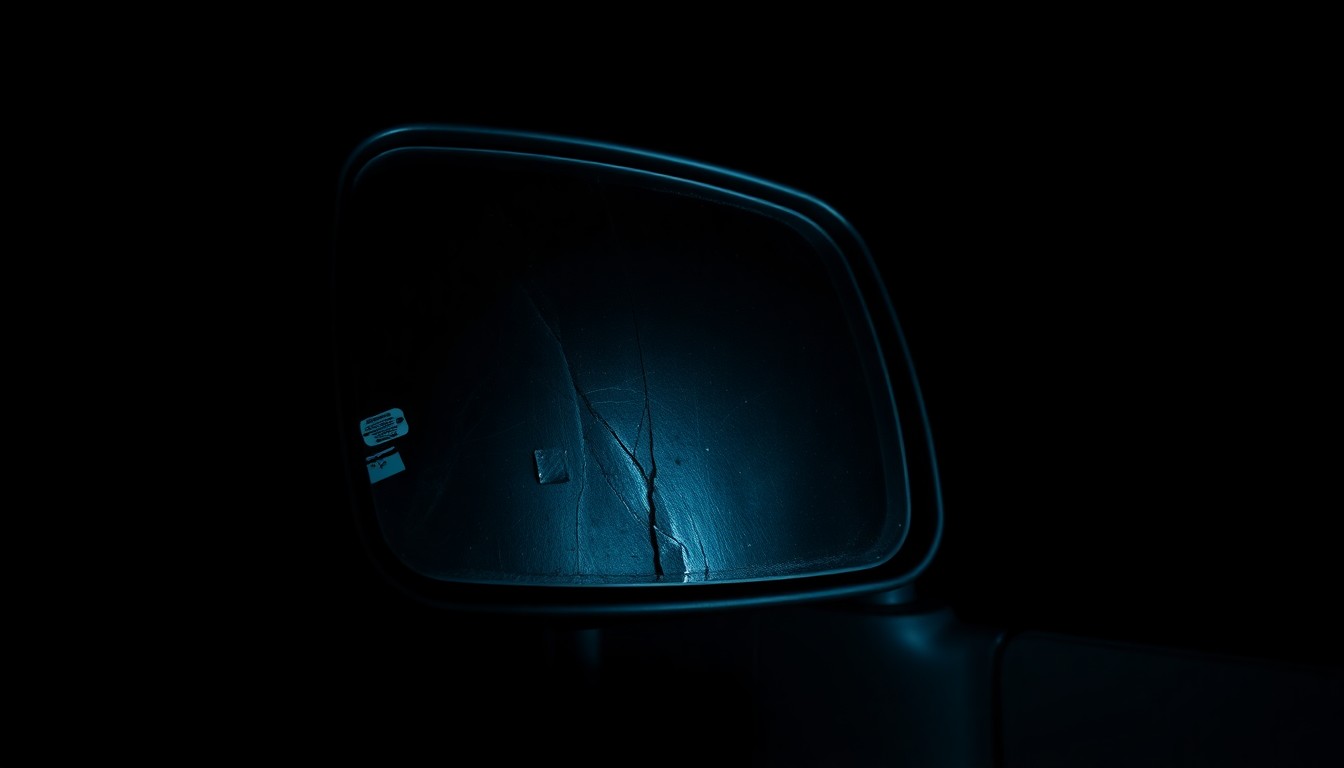
 An abstract illustration captures the intricate social dynamics at play when incivility is met with retaliation, suggesting a more nuanced view of this complex human behavior.Ithaca Today
A series of studies by Cornell University and the University of Southern California found that people view uncivil behavior more positively when it is used to retaliate against someone who has acted rudely, compared to when the uncivil behavior is used as the initial provocation. The researchers say this suggests there is social value in responding to incivility with incivility, as it can be seen as protecting group norms and signaling that the initial rude behavior was unacceptable.
Why it matters
This research challenges the common assumption that all incivility should be condemned, highlighting the complex social dynamics at play. It suggests that in certain contexts, retaliatory rudeness may be viewed as more justified and even admirable than the original instigating rudeness.
The details
The studies, published in the Journal of Experimental Social Psychology, examined how people responded to uncivil behavior in various scenarios, including online forums, sports competitions, and workplace emails. Across the experiments, participants consistently rated retaliatory incivility as more "right, just and moral" than the initial uncivil behavior. The researchers theorize this is because the retaliatory incivility is seen as helping to protect group norms and signal to the instigator that their behavior was unacceptable.
- The research was published on March 17, 2026.
The players
Merrick Osborne
Assistant professor of organizational behavior in the ILR School at Cornell University and the first author of the study.
Morteza Dehghani
Professor of psychology and computer science at the University of Southern California and a co-author of the study.
What they’re saying
“People prefer retaliatory incivility to an instigator's incivility, seeing it as more right, just and moral.”
— Merrick Osborne, Assistant professor of organizational behavior
“Although the degree of incivility is the same, we theorize that, in retaliation, it's seen as helping to protect a group's norms and establish to the instigator that they did something wrong.”
— Merrick Osborne, Assistant professor of organizational behavior
What’s next
The researchers plan to further explore how the social dynamics of incivility play out in different real-world contexts, such as the workplace and online communities.
The takeaway
This research suggests that while civility should remain the ideal, there may be situations where responding to rudeness with rudeness is viewed more positively than one might expect. Understanding these complex social dynamics could inform efforts to promote more constructive communication.
Ithaca top stories


Ithaca events
Apr. 10, 2026
Trisha Yearwood