- Today
- Holidays
- Birthdays
- Reminders
- Cities
- Atlanta
- Austin
- Baltimore
- Berwyn
- Beverly Hills
- Birmingham
- Boston
- Brooklyn
- Buffalo
- Charlotte
- Chicago
- Cincinnati
- Cleveland
- Columbus
- Dallas
- Denver
- Detroit
- Fort Worth
- Houston
- Indianapolis
- Knoxville
- Las Vegas
- Los Angeles
- Louisville
- Madison
- Memphis
- Miami
- Milwaukee
- Minneapolis
- Nashville
- New Orleans
- New York
- Omaha
- Orlando
- Philadelphia
- Phoenix
- Pittsburgh
- Portland
- Raleigh
- Richmond
- Rutherford
- Sacramento
- Salt Lake City
- San Antonio
- San Diego
- San Francisco
- San Jose
- Seattle
- Tampa
- Tucson
- Washington
Glen Cove Today
By the People, for the People
Iran Threatens to 'Set on Fire' US Troops: Rising Tensions in the Middle East
The Dangerous Escalation of Rhetoric and the Broader Implications of Iran's Threats
Apr. 12, 2026 at 1:35pm
Got story updates? Submit your updates here. ›
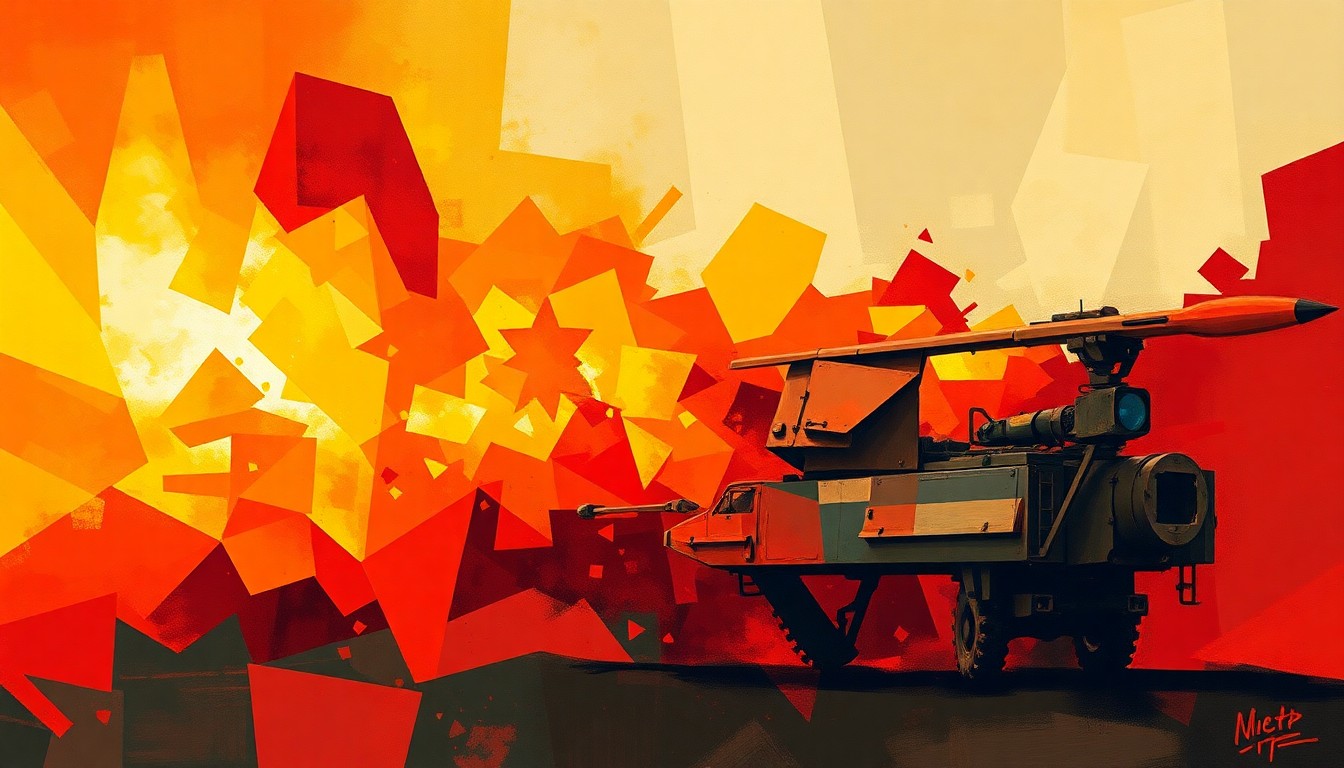 As rhetoric between Iran and the U.S. heats up, the threat of military action looms large over the Middle East.Glen Cove Today
Iran's parliament speaker, Mohammad Bagher Ghalibaf, has warned that U.S. troops would be 'set on fire' if America launches a ground operation. This stark threat is more than just saber-rattling, as it outlines a specific retaliation strategy and raises concerns about the escalation of tensions in the Middle East. The rhetoric targets not just military forces, but also academic institutions, potentially disrupting lives and livelihoods across the region.
Why it matters
Iran's threats are not just about military posturing, but also about psychological warfare. Domestically, the rhetoric rallies national pride, while internationally, it sends a message of defiance. However, this could also provoke miscalculations and a dangerous escalation of the conflict. The targeting of academic institutions is particularly troubling, as it undermines the idea of education as a neutral space, with potential long-term cultural and intellectual repercussions.
The details
Ghalibaf's threat is specific, warning that Iran has 'missiles in place' and will 'punish regional partners forever' if the U.S. launches a ground operation. This level of detail is rare in geopolitical posturing and suggests a premeditated strategy. The threat also includes a warning to condemn the bombing of Iranian universities or face retaliation, marking a dangerous shift in the rules of engagement and raising concerns about the safety of academic institutions in the region.
- The recent threats from Iran's parliament speaker come amid a 15-point U.S. peace plan, which Iran has dismissed as an attempt to achieve through diplomacy what America failed to achieve by force.
The players
Mohammad Bagher Ghalibaf
The speaker of Iran's parliament, who has issued the recent threats against U.S. troops and academic institutions in the region.
What they’re saying
“U.S. troops would be 'set on fire' if America launches a ground operation.”
— Mohammad Bagher Ghalibaf, Speaker of Iran's Parliament
What’s next
The international community will need to tread carefully in response to Iran's threats, as escalation benefits no one. De-escalation will require empathy and a willingness to address underlying grievances, rather than just diplomatic niceties.
The takeaway
This conflict is a microcosm of larger global tensions, highlighting the fragility of the international order. One misstep or miscalculation could lead to a full-blown crisis, underscoring the need for wisdom, restraint, and a commitment to finding common ground to resolve these tensions without resorting to violence.