- Today
- Holidays
- Birthdays
- Reminders
- Cities
- Atlanta
- Austin
- Baltimore
- Berwyn
- Beverly Hills
- Birmingham
- Boston
- Brooklyn
- Buffalo
- Charlotte
- Chicago
- Cincinnati
- Cleveland
- Columbus
- Dallas
- Denver
- Detroit
- Fort Worth
- Houston
- Indianapolis
- Knoxville
- Las Vegas
- Los Angeles
- Louisville
- Madison
- Memphis
- Miami
- Milwaukee
- Minneapolis
- Nashville
- New Orleans
- New York
- Omaha
- Orlando
- Philadelphia
- Phoenix
- Pittsburgh
- Portland
- Raleigh
- Richmond
- Rutherford
- Sacramento
- Salt Lake City
- San Antonio
- San Diego
- San Francisco
- San Jose
- Seattle
- Tampa
- Tucson
- Washington
Plant-Based Diets Linked to Slower Epigenetic Aging
New study finds diets rich in plant foods may decelerate biological aging markers
Apr. 1, 2026 at 1:18am
Got story updates? Submit your updates here. ›
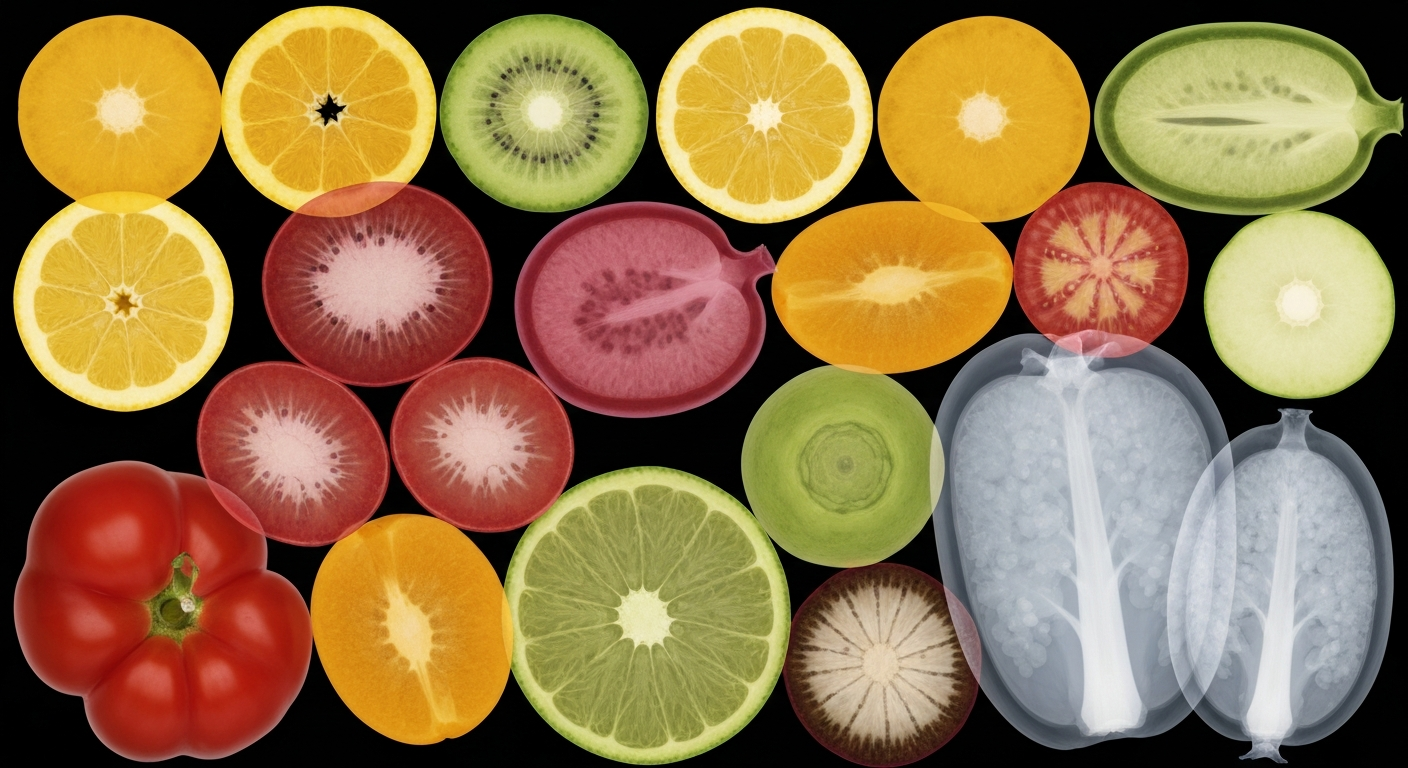 An X-ray view of the internal structures of plant-based foods reveals the potential benefits of a diet rich in fruits and vegetables for slowing the aging process.Buffalo Today
A new study published in the journal Aging-US has found that plant-based dietary patterns, especially those emphasizing healthier plant foods, are associated with slower epigenetic aging. The research analyzed data from over 4,800 participants and showed that higher scores on plant-based diet indices were linked to decelerated measures of biological aging, such as GrimAge2, PhenoAge, and HannumAge.
Why it matters
The findings suggest that adopting plant-rich diets could have long-term benefits for slowing the aging process at the cellular level. As the population ages, understanding how lifestyle factors like diet can influence biological aging is crucial for promoting healthy longevity.
The details
The study, led by researchers from the University of Washington, examined the associations between four plant-based diet indices and epigenetic aging measures in data from the Atherosclerosis Risk in Communities (ARIC) Study and the National Health and Nutrition Examination Survey (NHANES). They found that higher scores on the overall plant-based diet index, provegetarian diet, and healthy plant-based diet index were linked to slower GrimAge2, PhenoAge, and HannumAge, which are DNA methylation-based biomarkers of biological aging. In contrast, the unhealthy plant-based diet index was not significantly associated with any of the epigenetic aging measures.
- The study was published on March 20, 2026 in the journal Aging-US.
- The data analyzed in the study was collected from 2026 to 2026.
The players
Hyunju Kim
The first and corresponding author of the study, from the Department of Epidemiology and the Cardiovascular Health Research Unit, Department of Medicine, University of Washington.
Aging-US
The peer-reviewed journal that published the study.
Atherosclerosis Risk in Communities (ARIC) Study
A long-term, ongoing cardiovascular study that provided data for the analysis.
National Health and Nutrition Examination Survey (NHANES)
A program of studies designed to assess the health and nutritional status of adults and children in the United States, which also provided data for the analysis.
What they’re saying
“No significant association was observed for unhealthy PDI and any of the DNA methylation-based aging.”
— Hyunju Kim, First and corresponding author
What’s next
The authors call for longitudinal and interventional studies to determine whether sustained adherence to healthy plant-based dietary patterns can directly influence epigenetic aging and related health outcomes over time.
The takeaway
This study adds to the growing body of evidence that plant-rich diets may have beneficial effects on the aging process at the cellular level. Adopting healthier plant-based eating patterns could be an important lifestyle strategy for promoting longevity and healthy aging.
Buffalo top stories



Buffalo events

Apr. 2, 2026
John Mulaney: Mister Whatever
Apr. 2, 2026
Guilt Trip & Malevolence
Apr. 2, 2026
FOREVER K-POP - A celebration concert