- Today
- Holidays
- Birthdays
- Reminders
- Cities
- Atlanta
- Austin
- Baltimore
- Berwyn
- Beverly Hills
- Birmingham
- Boston
- Brooklyn
- Buffalo
- Charlotte
- Chicago
- Cincinnati
- Cleveland
- Columbus
- Dallas
- Denver
- Detroit
- Fort Worth
- Houston
- Indianapolis
- Knoxville
- Las Vegas
- Los Angeles
- Louisville
- Madison
- Memphis
- Miami
- Milwaukee
- Minneapolis
- Nashville
- New Orleans
- New York
- Omaha
- Orlando
- Philadelphia
- Phoenix
- Pittsburgh
- Portland
- Raleigh
- Richmond
- Rutherford
- Sacramento
- Salt Lake City
- San Antonio
- San Diego
- San Francisco
- San Jose
- Seattle
- Tampa
- Tucson
- Washington
Analog Lifestyle Gains Traction as Antidote to Digital Overload
Crafting, vintage hobbies, and tech-free living emerge as a growing cultural shift in 2026
Apr. 11, 2026 at 2:10am
Got story updates? Submit your updates here. ›
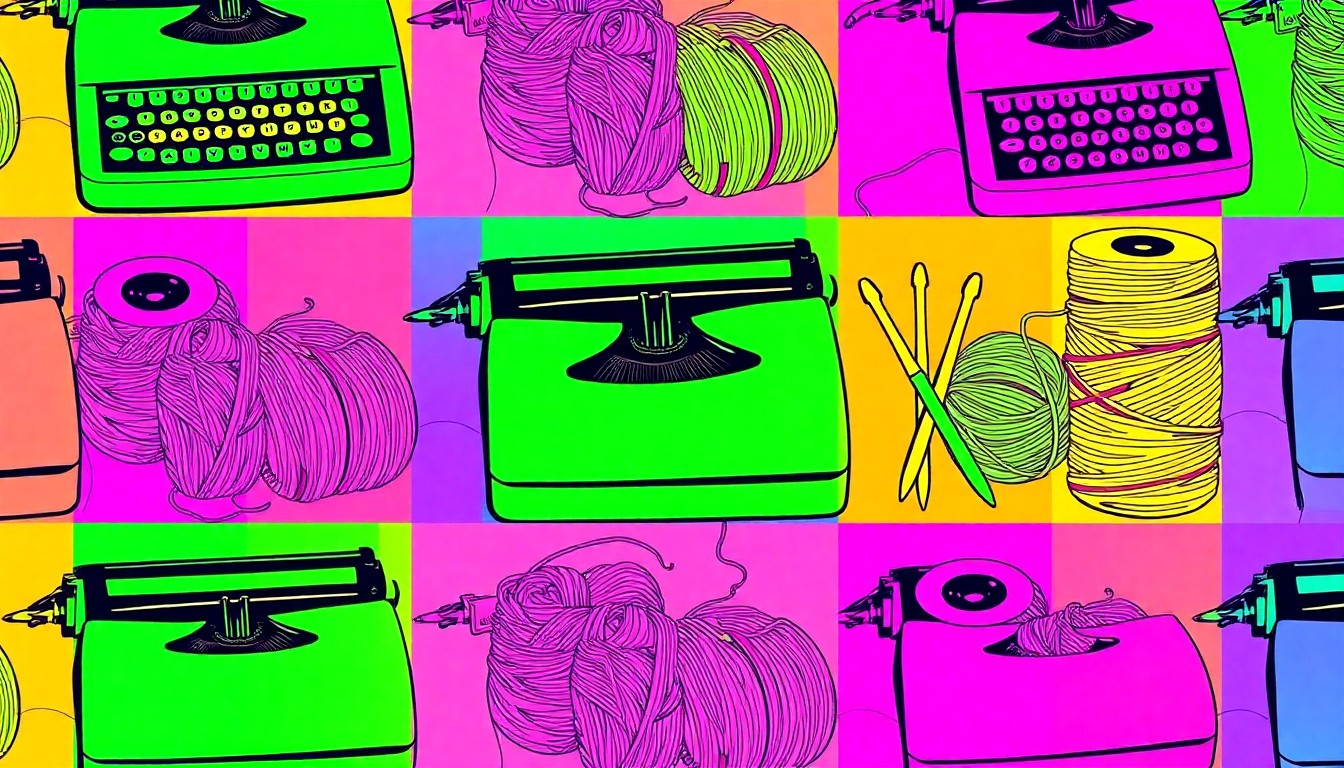 The rise of analog hobbies and tech-free living signals a growing cultural shift away from the digital overload of modern life.Brooklyn Today
A growing number of people are embracing the analog lifestyle in 2026, not just as a fleeting trend, but as a deliberate shift away from the digital overload that defines modern life. This movement is driven by fatigue with repetitive, unoriginal AI-generated content and a desire to reclaim time, creativity, and tangible experiences. While it's not about rejecting technology entirely, the analog lifestyle is about finding balance and intentionality in how we engage with it.
Why it matters
This shift highlights a broader cultural reaction against the pervasive influence of AI and technology in our daily lives. As our homes become increasingly populated with AI-powered gadgets, virtual assistants, and chatbots, the analog lifestyle represents a quiet rebellion and an attempt to reclaim our humanity in a world where machines are doing more of our thinking and doing for us.
The details
Certain offline hobbies are experiencing a renaissance, with surging demand for arts and crafts supplies, knitting materials, and other 'grandma hobbies.' Many are turning to these analog activities as a mental health escape from the endless doomscrolling that's become all too familiar, especially post-pandemic. However, even the most dedicated analog enthusiasts struggle to go completely offline, as their businesses and social connections rely on the internet to some degree.
- In the past six months, searches for 'analog hobbies' on the Michael's arts and crafts retailer website surged by 136%.
- Sales of guided craft kits jumped 86% in 2025, with projections of another 30% to 40% increase in 2026.
- Yarn kit searches on the Michael's website skyrocketed by 1,200% in 2025.
The players
Stacey Shively
The chief merchandising officer at Michael's, who notes that the company is expanding its knitting materials section to meet the growing demand for analog hobbies.
Shaughnessy Barker
A 25-year-old in Penticton, British Columbia, who relies on a landline and a 'dumb phone' app for communication, hosts tech-free craft and wine nights, writes letters, and limits her computer time.
Avriel Epps
An AI researcher who calls the repetitive, unoriginal content generated by tools like ChatGPT 'fatiguing, both in viewing and in its lack of originality.'
What they’re saying
“Everything on the internet is meant for profit now. Nothing is just for enjoyment anymore.”
— Shaughnessy Barker
“It's about cutting the internet off from the information about me, not cutting myself off from the internet entirely.”
— Avriel Epps, AI researcher
What’s next
As the analog lifestyle movement continues to gain momentum, it will be interesting to see how businesses and industries adapt to meet the growing demand for offline experiences and tangible hobbies. The long-term sustainability of this trend and its impact on the broader technological landscape will be an ongoing story to follow.
The takeaway
The rise of the analog lifestyle represents a significant cultural shift, as people seek to reclaim their time, creativity, and humanity in the face of an increasingly digital and AI-driven world. While it's not about rejecting technology entirely, this movement highlights the need for balance and intentionality in how we engage with technology, and the potential consequences of outsourcing too much of our lives to machines.