- Today
- Holidays
- Birthdays
- Reminders
- Cities
- Atlanta
- Austin
- Baltimore
- Berwyn
- Beverly Hills
- Birmingham
- Boston
- Brooklyn
- Buffalo
- Charlotte
- Chicago
- Cincinnati
- Cleveland
- Columbus
- Dallas
- Denver
- Detroit
- Fort Worth
- Houston
- Indianapolis
- Knoxville
- Las Vegas
- Los Angeles
- Louisville
- Madison
- Memphis
- Miami
- Milwaukee
- Minneapolis
- Nashville
- New Orleans
- New York
- Omaha
- Orlando
- Philadelphia
- Phoenix
- Pittsburgh
- Portland
- Raleigh
- Richmond
- Rutherford
- Sacramento
- Salt Lake City
- San Antonio
- San Diego
- San Francisco
- San Jose
- Seattle
- Tampa
- Tucson
- Washington
Flatbush Avenue Redesign to Improve Brooklyn Commutes
City officials say the overhaul will cut travel times and add pedestrian space along one of Brooklyn's busiest routes.
Apr. 9, 2026 at 2:38pm
Got story updates? Submit your updates here. ›
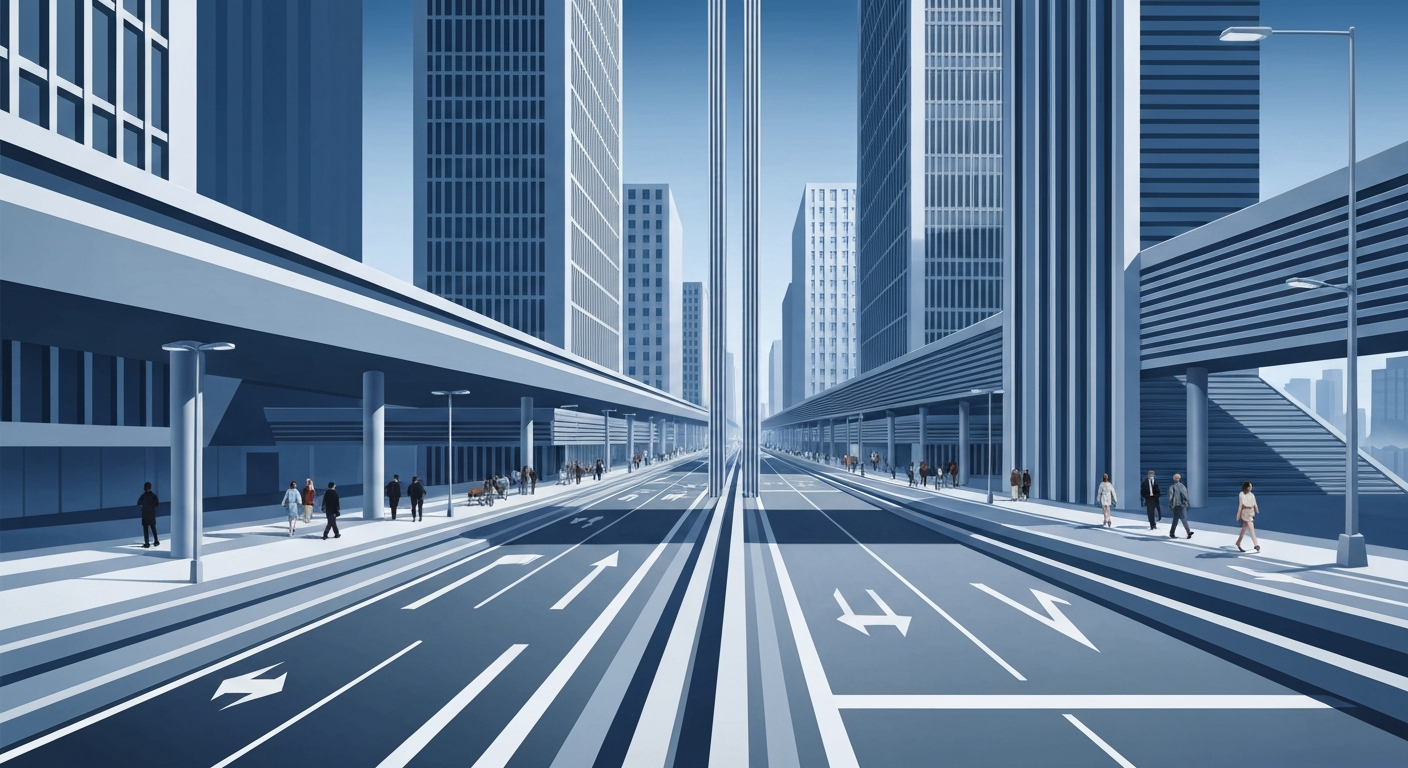 The ambitious redesign of Flatbush Avenue in Brooklyn aims to transform one of the borough's busiest transportation corridors, prioritizing public transit and pedestrian safety.Brooklyn Today
The New York City Department of Transportation is launching a redesign of Flatbush Avenue in Brooklyn, which will install center-running bus lanes and add 29,000 square feet of pedestrian space. The project aims to address slow bus speeds and improve safety for vehicles, cyclists, and pedestrians along the busy corridor that serves over 132,000 daily riders.
Why it matters
Flatbush Avenue is a major transportation artery in Brooklyn, with buses serving as a primary mode of commuting for tens of thousands of residents. The redesign project is expected to significantly improve bus speeds and commute times, while also enhancing pedestrian safety and accessibility along the corridor.
The details
The Flatbush Avenue redesign will install center-running bus lanes between Livingston Street and Grand Army Plaza, serving several key bus routes including the B41, B67, B69, B63, B45, and B103. Transportation Commissioner Mike Flynn said the changes are intended to address the current situation where 'it can often be as fast to walk as it is to take a bus on Flatbush Avenue.' The project will also add 29,000 square feet of pedestrian space, dedicated loading zones, and other safety upgrades to reduce conflicts between vehicles, cyclists, and pedestrians. Construction will be phased over several months, with work expected to continue through the fall of 2026.
- Construction on the Flatbush Avenue redesign will begin in late April 2026.
- The project is expected to continue through the fall of 2026.
The players
New York City Department of Transportation
The city agency leading the Flatbush Avenue redesign project.
Mike Flynn
Transportation Commissioner for New York City, who discussed the goals of the Flatbush Avenue redesign.
Andrew Gounardes
New York State Senator who described Flatbush Avenue as a 'dangerous, traffic-clogged nightmare' that is overdue for change.
What they’re saying
“It can often be as fast to walk as it is to take a bus on Flatbush Avenue.”
— Mike Flynn, Transportation Commissioner
“Right now, Flatbush Avenue is a dangerous, traffic-clogged nightmare that doesn't work for anyone.”
— Andrew Gounardes, New York State Senator
What’s next
City officials urged drivers to plan alternate routes or allow extra travel time during the construction period, which is expected to continue through the fall of 2026.
The takeaway
The Flatbush Avenue redesign project represents a significant investment in improving public transit and pedestrian infrastructure in Brooklyn, with the goal of reducing commute times, enhancing safety, and providing a more efficient and accessible transportation corridor for the thousands of residents who rely on it daily.
Brooklyn top stories


Brooklyn events

Apr. 9, 2026
Machine Girl - PsychoWarrior Tour
Apr. 9, 2026
Brooklyn Nets v. Indiana Pacers (Fan Appreciation)
Apr. 9, 2026
Whitney (18 and Over)