- Today
- Holidays
- Birthdays
- Reminders
- Cities
- Atlanta
- Austin
- Baltimore
- Berwyn
- Beverly Hills
- Birmingham
- Boston
- Brooklyn
- Buffalo
- Charlotte
- Chicago
- Cincinnati
- Cleveland
- Columbus
- Dallas
- Denver
- Detroit
- Fort Worth
- Houston
- Indianapolis
- Knoxville
- Las Vegas
- Los Angeles
- Louisville
- Madison
- Memphis
- Miami
- Milwaukee
- Minneapolis
- Nashville
- New Orleans
- New York
- Omaha
- Orlando
- Philadelphia
- Phoenix
- Pittsburgh
- Portland
- Raleigh
- Richmond
- Rutherford
- Sacramento
- Salt Lake City
- San Antonio
- San Diego
- San Francisco
- San Jose
- Seattle
- Tampa
- Tucson
- Washington
How Long Do Spare Tires Last and When to Replace Them
A spare tire can get you out of a dangerous situation, but only if it's still safe to use.
Apr. 6, 2026 at 7:32pm
Got story updates? Submit your updates here. ›
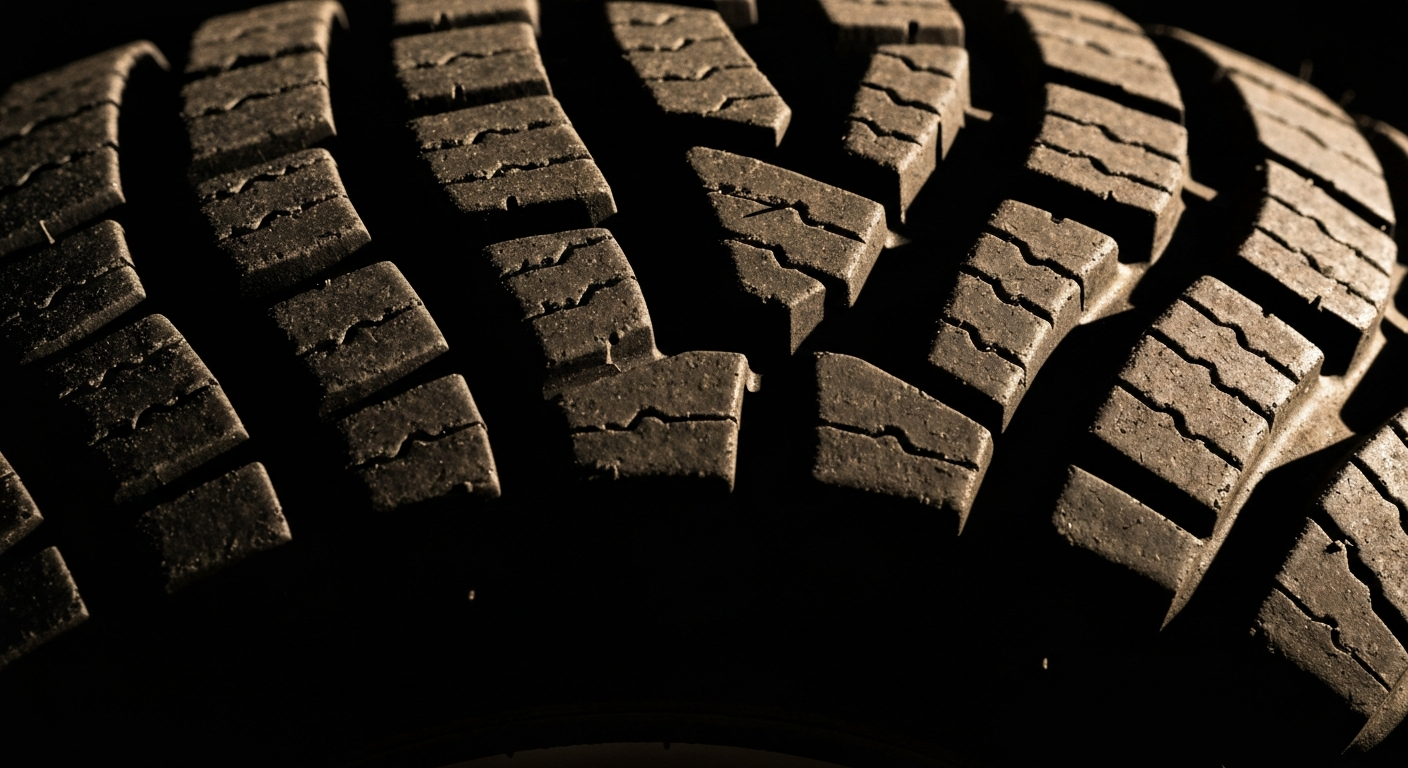 A close examination of a spare tire's condition can reveal when it's time for replacement, helping drivers stay safe on the road.Brooklyn Today
Spare tires are an essential safety feature, but they have a limited lifespan. Most spare tires last between six and ten years, whether they've been used or not. Rubber in tires naturally degrades over time due to exposure to heat, moisture, and temperature changes. Checking the manufacturing date on the tire's sidewall is the best way to determine its age. Different types of spare tires, like full-size or compact 'donut' spares, have varying lifespans and usage guidelines. Regularly inspecting your spare and knowing how to change a tire can help ensure you're prepared for a roadside emergency.
Why it matters
Spare tires are a critical safety feature, but many drivers don't realize they have a limited lifespan and may not be prepared to use them when needed. Knowing when to replace an aging spare and how to properly maintain it can help keep drivers safe in the event of a flat tire.
The details
Spare tires are made of rubber compounds that naturally break down over time, even if they've never been used. Exposure to heat, moisture, and temperature changes causes the rubber to dry out and become more prone to cracking and structural weakness. The type of spare tire - full-size or compact 'donut' - also affects its lifespan and usage guidelines. Full-size spares can last 6-10 years and be driven normally, while compact spares are only meant for temporary, low-speed use. Checking the manufacturing date on the tire's sidewall is the best way to determine its age, and spares should be replaced if they're more than 6-10 years old, show visible signs of damage, or can't hold proper air pressure.
- Spare tires should be checked for proper inflation and signs of aging at least twice a year, especially before long road trips.
The players
Ian McKenney
Senior product manager at Bridgestone Americas.
Dan DiClerico
Home Improvement & Outdoor Director at Good Housekeeping.
What they’re saying
“Abide by the 50/50 rule: travel no more than 50 miles at speeds under 50 mph. Once those limits are reached, or if a full-size spare's tread depth reaches 2/32-inches, the tire must be replaced to protect both your safety and your drivetrain.”
— Ian McKenney, Senior product manager at Bridgestone Americas
What’s next
Drivers should check their vehicle's owner's manual to determine the recommended inflation pressure and usage guidelines for their spare tire. It's also a good idea to practice changing a tire at home to be prepared for a roadside emergency.
The takeaway
Regularly inspecting and maintaining your spare tire is crucial for ensuring it will be ready to use when you need it most. Knowing when to replace an aging spare can help keep you safe on the road.
Brooklyn top stories



Brooklyn events

Apr. 7, 2026
Brooklyn Nets v. Milwaukee Bucks
Apr. 7, 2026
The Wedding Present (18 and Over)
Apr. 7, 2026
Beto Cuevas - Acustico