- Today
- Holidays
- Birthdays
- Reminders
- Cities
- Atlanta
- Austin
- Baltimore
- Berwyn
- Beverly Hills
- Birmingham
- Boston
- Brooklyn
- Buffalo
- Charlotte
- Chicago
- Cincinnati
- Cleveland
- Columbus
- Dallas
- Denver
- Detroit
- Fort Worth
- Houston
- Indianapolis
- Knoxville
- Las Vegas
- Los Angeles
- Louisville
- Madison
- Memphis
- Miami
- Milwaukee
- Minneapolis
- Nashville
- New Orleans
- New York
- Omaha
- Orlando
- Philadelphia
- Phoenix
- Pittsburgh
- Portland
- Raleigh
- Richmond
- Rutherford
- Sacramento
- Salt Lake City
- San Antonio
- San Diego
- San Francisco
- San Jose
- Seattle
- Tampa
- Tucson
- Washington
Geese Guitarist Emily Green Reveals Vintage Guitar Gem Defining Band's Sound
The budget-friendly Silvertone model has become one of Green's go-to guitars during Geese's buzzy rise to success.
Jan. 27, 2026 at 12:07pm
Got story updates? Submit your updates here. ›
Geese guitarist Emily Green discusses how a vintage 1956 Silvertone Stratotone Newport Model H 42/2 guitar has become a key part of the band's classic rock-inspired sound on their latest album "Getting Killed" and live performances. Green explains how the short-scaled, baseball bat-like guitar offers a distinct, warm and gritty tone that fits the band's indie sleaze revival aesthetic.
Why it matters
Geese has emerged as one of the buzziest new indie rock bands, leading a revival of classic rock and "indie sleaze" sounds. Green's choice of a vintage, budget-friendly Silvertone guitar as a central part of the band's sonic identity highlights how classic gear can still shape the sound of modern rock music.
The details
Green discovered the 1956 Silvertone guitar at a vintage shop in Brooklyn called RetroFret Vintage Guitars. She initially went in to purchase a 1970s Diastone guitar, but was drawn to the unique playing feel and tone of the Silvertone. Green describes the guitar as playing "like a baseball bat" and offering a "warmer, scuzzy amp" sound that fits the band's aesthetic, using it on about half the tracks on their new album "Getting Killed" and in live performances.
- Geese released their fourth studio album "Getting Killed" in 2026.
The players
Emily Green
The guitarist for the indie rock band Geese, known for her use of a vintage 1956 Silvertone guitar that has become central to the band's sound.
Geese
An indie rock band that has emerged as one of the buzziest new acts, leading a revival of classic rock and "indie sleaze" sounds.
RetroFret Vintage Guitars
A vintage guitar shop in Brooklyn, New York where Emily Green discovered the 1956 Silvertone guitar that has become integral to Geese's sound.
What they’re saying
“We make rock 'n' roll music. We have a classic rock setup. We fly in a V formation with a singer-songwriter at the head of the pack!”
— Emily Green, Guitarist, Geese
“It's like a baseball bat. It doesn't play like any modern guitar I've ever used. I suspect builders were building guitars for a different type of player back then.”
— Emily Green, Guitarist, Geese
“It's better for the warmer, scuzzy amp that you found in the corner of a garage that is sort of breaking up and sounds dusty. That's a bag I like to pull from. I'm using it on, like, half of the new record live.”
— Emily Green, Guitarist, Geese
What’s next
For more insights from Emily Green on her guitar choices and the making of Geese's new album "Getting Killed", readers can look forward to the upcoming issue 601 of Guitar World magazine.
The takeaway
Geese's embrace of a vintage, budget-friendly Silvertone guitar as a core part of their sound demonstrates how classic gear can still shape the sonic identity of modern indie rock bands, even as they lead a revival of classic rock and "indie sleaze" aesthetics.
Brooklyn top stories



Brooklyn events

Apr. 8, 2026
Patti Harrison: New York City Is The Hottest Place!
Apr. 8, 2026
Whitney (18 and Over)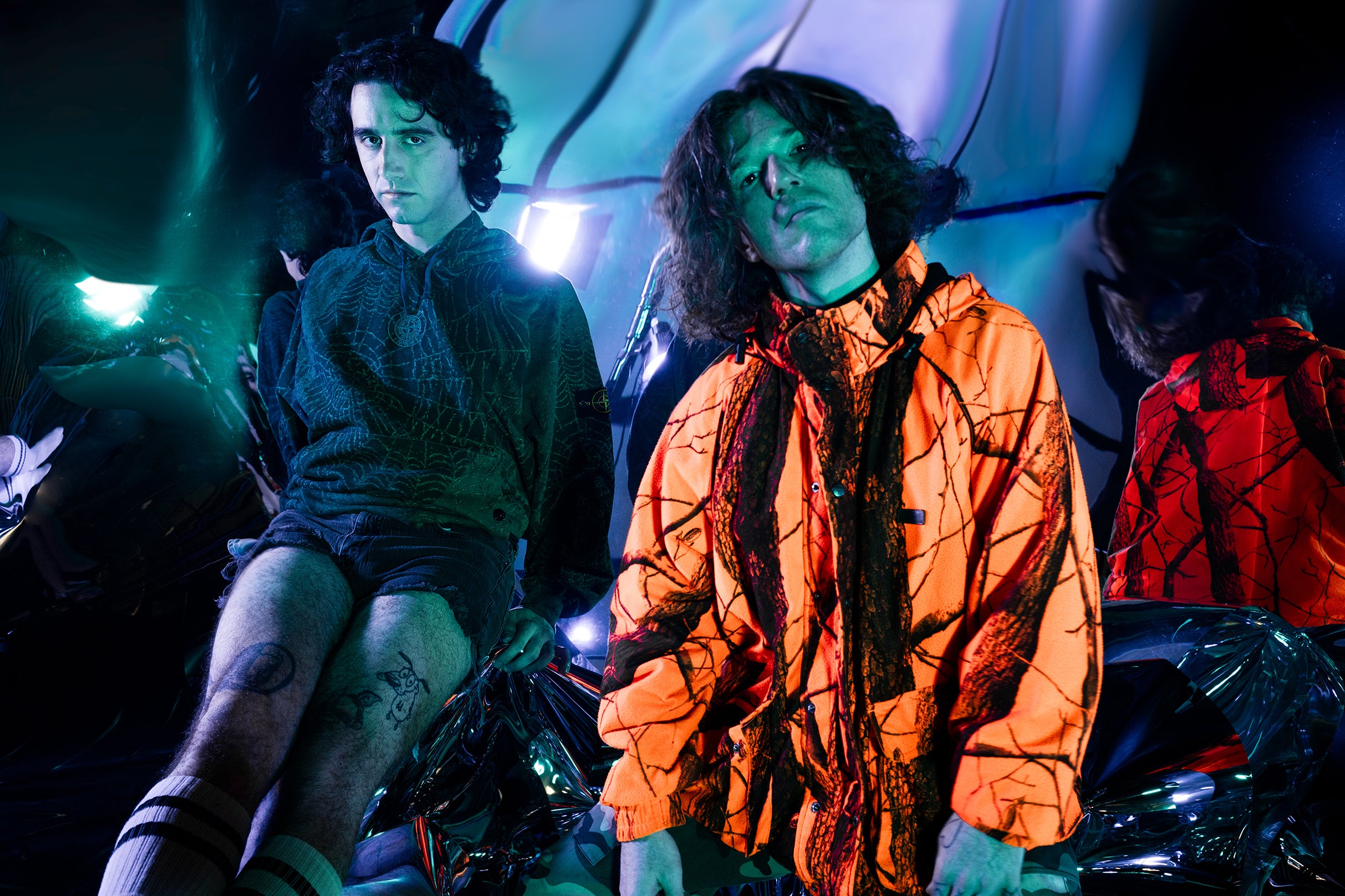
Apr. 9, 2026
Machine Girl - PsychoWarrior Tour