- Today
- Holidays
- Birthdays
- Reminders
- Cities
- Atlanta
- Austin
- Baltimore
- Berwyn
- Beverly Hills
- Birmingham
- Boston
- Brooklyn
- Buffalo
- Charlotte
- Chicago
- Cincinnati
- Cleveland
- Columbus
- Dallas
- Denver
- Detroit
- Fort Worth
- Houston
- Indianapolis
- Knoxville
- Las Vegas
- Los Angeles
- Louisville
- Madison
- Memphis
- Miami
- Milwaukee
- Minneapolis
- Nashville
- New Orleans
- New York
- Omaha
- Orlando
- Philadelphia
- Phoenix
- Pittsburgh
- Portland
- Raleigh
- Richmond
- Rutherford
- Sacramento
- Salt Lake City
- San Antonio
- San Diego
- San Francisco
- San Jose
- Seattle
- Tampa
- Tucson
- Washington
West Wendover Today
By the People, for the People
Nevada Loses $12.6 Million in EV Charging Funds Under Federal Budget Cuts
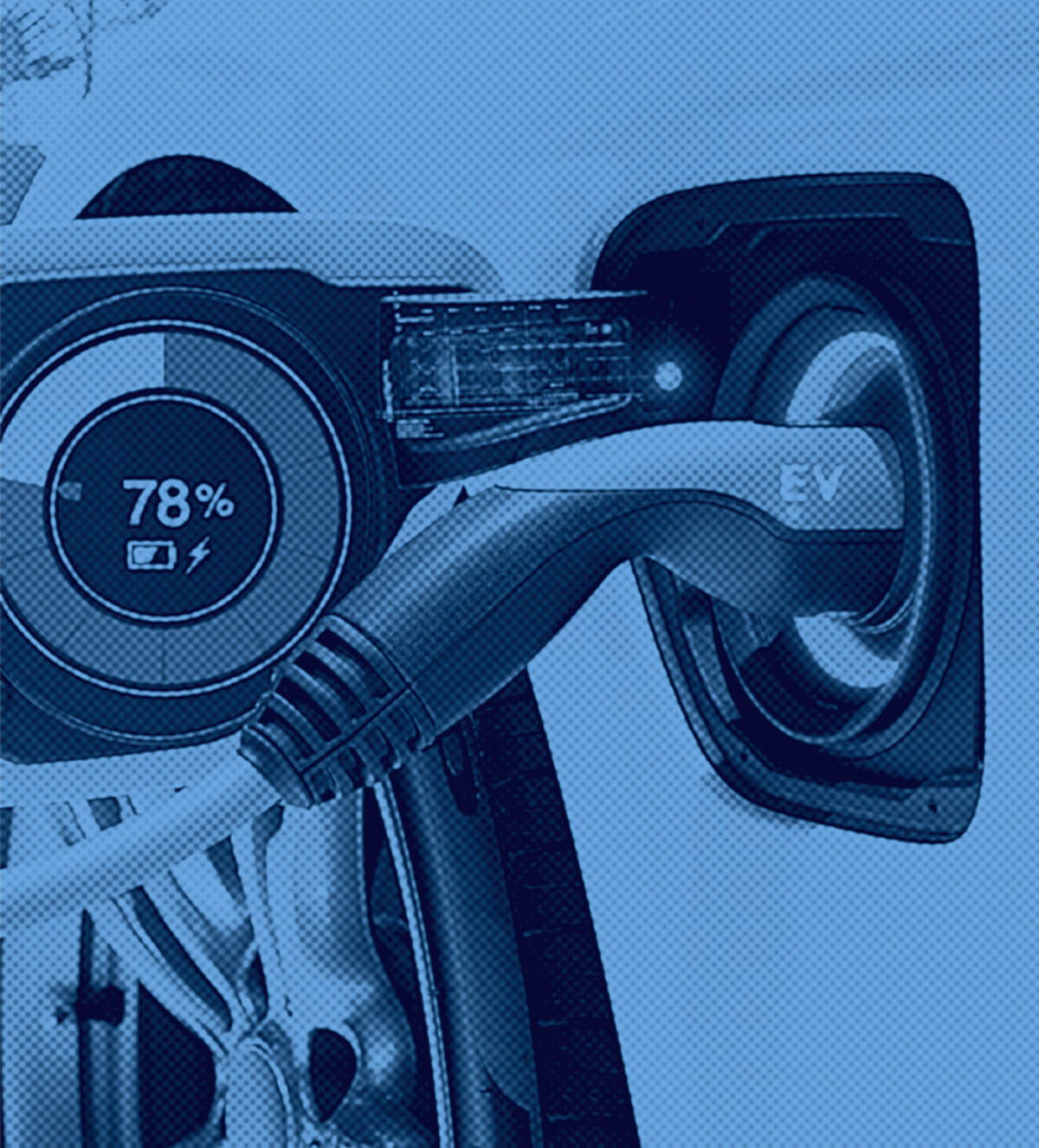
The Trump administration has slashed funding for a program to build a nationwide network of high-powered electric vehicle charging stations.
Published on Feb. 18, 2026
Got story updates? Submit your updates here. ›
The Trump administration has quietly cut more than $500 million from the National Electric Vehicle Infrastructure (NEVI) program, a $5 billion Biden-era effort to deploy faster, more efficient EV chargers along highway corridors. Nevada's share of the cuts is $12.6 million, reducing the state's original $38 million award by a third. The funding freeze has hit several Republican-led states that were slow to deploy the funds.
Why it matters
The cuts to the NEVI program will slow Nevada's plans to build out a network of fast charging stations along key highway corridors, limiting access for EV drivers in the state. The funding reductions come as the federal government has also imposed new 'Buy American' requirements on EV chargers, further complicating efforts to rapidly expand the nationwide charging infrastructure.
The details
Two years ago, the Nevada Department of Transportation was awarded $38 million in federal NEVI funding, but a recent budget bill passed by Congress cut the state's allocation by $12.6 million. Nationwide, the budget measure will remove more than $500 million from the NEVI program. Nevada did not award any of its NEVI funding before the funding freeze, meaning it lost a greater portion of funding compared to other states. Nevada now only has about $25.3 million in remaining NEVI funds after the budget cuts.
- Two years ago, the Nevada Department of Transportation was awarded $38 million in federal NEVI funding.
- Last week, a budget bill passed by Congress cut Nevada's NEVI funding by $12.6 million.
The players
Nevada Department of Transportation
The state agency responsible for managing Nevada's NEVI funding and deployment of electric vehicle charging infrastructure.
Trump administration
The former presidential administration that quietly slashed millions in federal funding from the NEVI program.
Sean Duffy
The current Transportation Secretary who announced new requirements for federally funded EV chargers to be 100% U.S. made, up from the previous 55% threshold.
What they’re saying
“We in Nevada will continue advancing toward future construction of EV charging improvements using available authorized funding.”
— NDOT spokesperson (Nevada Current)
“This proposal is designed to provide a strong incentive for manufacturers to rapidly shift their processes toward domestic manufacturing. It will also protect Americans from foreign-made EV charger components that use technology with cybersecurity vulnerabilities.”
— Sean Duffy, Transportation Secretary (Nevada Current)
What’s next
The Nevada Department of Transportation is now preparing to transition into the construction and operations phase of the NEVI program by finalizing efforts to hire a project manager. NDOT anticipates releasing the first round of EV charging contracts this year.
The takeaway
The cuts to the NEVI program funding and new 'Buy American' requirements for EV chargers will significantly slow Nevada's plans to build out a network of fast charging stations along key highway corridors, limiting access for EV drivers in the state. This highlights the ongoing challenges in rapidly expanding the nationwide electric vehicle charging infrastructure.